
LexiTalk LexiTalk

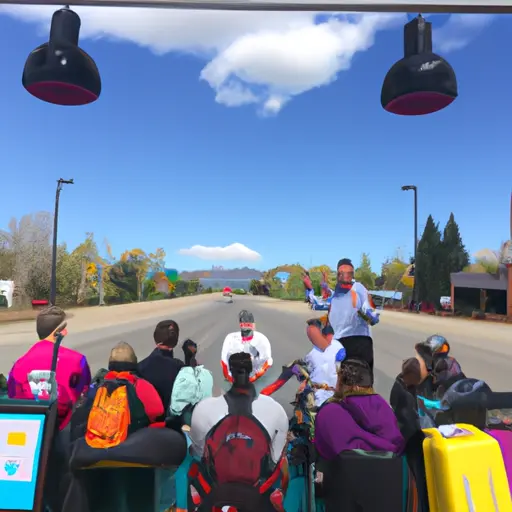
Pratica IELTS Speaking: Bus Ride to Aspen Stop

In LexiTalk entri in contatto con un inglese naturale tramite contenuto di ascolto in contesto reale. Ascoltando, riformulando e riutilizzando lo stesso contesto, costruisci risposte di ascolto e parlato.

Ascolta e Parla Avvia il gioco di parole 📱 Scarica l'app Perché imparare con i brain routes invece che con la traduzione?
Bus Ride to Aspen Stop - Advanced English Learning Podcast - LexiTalk
🔥 Advanced · IELTS · A2 · 2025.10.19 · 1m13s

🎧 Pratica IELTS ascolto e parlato

0:00 / 0:00
Metodo di ascolto in cinque passaggi

Trasforma un contenuto di ascolto in input di inglese riutilizzabile

Non fermarti a un solo ascolto. Dividi lo stesso episodio in cinque passaggi: prima il senso generale, poi supporto linguistico, shadowing, dettato e infine un nuovo ascolto senza sottotitoli.

Passaggio 1

Ascolto cieco

Comprendi l’idea generale, il tema e le informazioni principali senza sottotitoli.
Passaggio 2

Sottotitoli in inglese

Chiarisci parole sconosciute e frasi difficili. Usa un dizionario e brevi appunti se necessario.

Passaggio 3

Shadowing

Ripeti frase per frase e imita pronuncia, ritmo, accento e intonazione.

Passaggio 4

Dettato

Scrivi alcune frasi chiave da ciò che senti per allenare forma e struttura.

Passaggio 5

Riascolto senza sottotitoli

Ascolta di nuovo senza supporto testuale e nota cosa ora risulta più facile e chiaro.

Dopo l’allenamento

Condividi e riformula

Condividi appunti, parole nuove o un concetto utile, poi racconta l’episodio con parole tue.

Passo successivo

Dall’intensivo all’estensivo

Riutilizza gli episodi studiati in modo intensivo come ascolto di sottofondo e aumenta il volume con materiale familiare.

Passaggio 1Passaggio 2Passaggio 3Passaggio 4Passaggio 5

📝 Trascrizione dialogo IELTS Speaking

Bus Driver: Good morning. This is the number 12 bus to Riverside. Passenger: Morning. Does this bus stop at Aspen Street? Bus Driver: Yes. We stop at the aspen stop after the market. Passenger: Great. I need to get off at the aspen stop for the weekly market. Bus Driver: Ticket, please. A single costs two pounds. Passenger: Here you go. By the way, is the shelter near Aspen shabby today? Bus Driver: It is a bit shabby, yes. The paint is worn but the shelter is clean. Passenger: I saw a rather shabby bench there last week. It looked old. Bus Driver: Sorry about that. We will replace it next month if funds are available. Passenger: Thanks. Also, is it okay to bring my small dog on the bus? Bus Driver: Pets are allowed if they are tame and kept on the lap or in a carrier. Passenger: My dog is tame. He sits quietly in his bag. Bus Driver: Good. Keep him calm. Today the trip should take about twenty minutes. Passenger: Twenty minutes would be fine. I have a train to catch in thirty minutes. Bus Driver: There may be traffic near the river. If busy, it could take thirty minutes. Passenger: I see. I hope it's tame traffic, not bad. Then I can still make my train. Bus Driver: We'll try. I will announce the aspen stop before we arrive. Passenger: Thank you. That helps a lot.

📝 📚 Domande pratica IELTS

1

Which bus number is the passenger taking?

2

Why does the passenger need to get off at the aspen stop?

3

What does the driver say about the shelter near Aspen?

4

What rule does the driver mention about pets on the bus?

5

What is the most likely reason the passenger is worried about traffic?

6

Vocabulary in context: In this passage, what does the word 'shabby' most nearly mean?

7

What can be inferred about the driver's attitude toward the bench replacement?

Trasforma l'Ascolto in Parlato

Ottieni feedback istantaneo e pratica quotidiana nell'app LexiTalk.

Scarica l'App

Cookie

Utilizziamo cookie per funzioni essenziali, analisi e pubblicità. Puoi accettare, rifiutare o gestire le preferenze. Informativa sulla privacy

Supporto