
LexiTalk LexiTalk

プロフェッショナル英語リスニング教材:The Morning on the Windowsill

LexiTalkでは、実際の文脈リスニング教材で自然な英語表現に触れます。聞く・言い直す・同じ文脈を使い続けることで、聞く話す反応が育ちます。

聞く&話す 単語ゲームを始める 📱 アプリをダウンロード なぜ翻訳ではなく英語の脳回路で学ぶのか?
The Morning on the Windowsill - Advanced English Learning Podcast - LexiTalk
🔥 Advanced · 2025.08.23 · 6m41s

🎧 上級英語オーディオ練習

0:00 / 0:00
5回リスニング法

1本のリスニング教材を再利用できる英語インプットに変える

1回聞いて終わりにしないでください。同じエピソードを5回に分けて、まず大意、次に言語面の確認、シャドーイング、ディクテーション、最後に字幕なしで聞き直します。

第1回

字幕なしで聞く

字幕なしで大意、テーマ、主要な情報をつかみます。
第2回

英語字幕を見る

知らない語や難しい文を確認します。必要なら辞書や短いメモを使います。

第3回

シャドーイング

1文ずつ繰り返し、発音、リズム、強勢、イントネーションをまねします。

第4回

ディクテーション

聞こえた内容から重要な文をいくつか書き取り、形と構造を鍛えます。

第5回

字幕なしで再聴

文字の助けなしで再度聞き、以前より分かる部分が増えたことを確認します。

トレーニング後

共有して言い換える

メモ、新出語、役立つ概念を共有し、その後で自分の言葉でエピソードを言い換えましょう。

次のステップ

精聴から多聴へ

集中的に学習したエピソードを後で流し聞きに回し、慣れた素材で聞く量を増やしましょう。

第1回第2回第3回第4回第5回

📝 上級英語ダイアログ

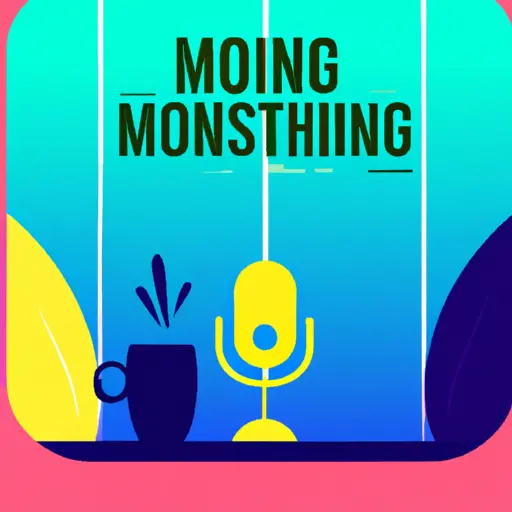
There are mornings when the world feels like it's been given a very thin, reluctant polish. You know the kind — light slips across the room and leaves a faint coating of color on everything it touches. That little smear of gold on the windowsill, the soft outline of a cup, the way dust suddenly looks like an intentional texture instead of a nuisance. I want to start there because small things like that are good practice for noticing words. The three I want to play with today are coating, windowsill, and clack. Each one is plain enough, and together they make a tiny scene you might recognize. Picture this: the kitchen is quiet except for the kettle. Steam lifts like a shy animal and leaves a very faint coating on the inside of the window. Not fog, exactly, but a whisper of moisture that makes the glass look almost painted. I put my mug down on the windowsill and watch a spider blur up the outside brick, leaving a silver thread behind as though it had been dragging a pencil. The mug makes a small clack against the sill — a modest sound, nothing dramatic — and that clack seems to say, I am here; so are you. It's funny how a single soft noise can rearrange a morning. The clack of a spoon against ceramic can be the punctuation to a thought: I will make tea today. Or it can be the beginning of a memory. My neighbor, an elderly man named Tom, used to sit by his window with a cheap alarm clock that clacked when its hands moved. He loved that primitive rhythm. To him, the clack was proof that time was still honest; it kept showing up, one small sound at a time. He'd say, "Listen to that — it's steady. It's like a friend tapping you on the shoulder." He'd tap the windowsill with his knuckles the way some people tap a toe. That knock and the clock's clack became our little duet: a human and a machine agreeing on the shape of morning. The word coating is useful because it helps you talk about layers. Not just physical layers like frost or paint, but emotional ones: a coating of weariness across someone's face, a fresh coating of relief after a long week. If you're describing food, coating can be crispy breadcrumbs on chicken. If you're describing silence, it can be a coating of awkwardness that makes conversation slide away. It's versatile, but it's also precise. When I say "a thin coating of frost on the windowsill," you can picture it almost exactly: a fragile crust that might melt if you breathe on it. Windowsill is one of those words that maps space. It's part of the house and part of the view. It's where plants live or where a cat nestles or where we leave letters we mean to post. In bad weather, the windowsill becomes a shelf of trophies: dead leaves, a child's toy car, a forgotten pair of gloves that still smell faintly of the rain. I like how the windowsill mixes the inside and the outside. It's a line that reminds you things are both separate and connected. You put your hand on the sill and you can feel the warmth of the room and the cool of the glass at the same time. And then there's clack, which is an onomatopoeic word — the sound suggests its meaning. You can almost hear it when you say it aloud. Clack is quick and a little sharp. It can be cheerful, like the clack of high heels when someone is in a hurry, or it can be sad, like the clack of an old typewriter that has no more letters left to print. The clack is honest. It doesn't pretend to be soft and pleasing; it simply asserts itself. In my writing, I like to use clack for those moments when life reminds you it exists. A misplaced key clacking to the floor, a window shutter clacking against the frame when wind comes through — these are punctuation marks in the grammar of an afternoon. I remember a day when all three words came together. I was helping a friend paint her tiny kitchen. It was an impulsive weekday project: paint the windowsill, clean the counters, make something look less tired. We put a thin coating of primer on the wood, then a delicate second coat of pale blue. The paint smelled like a promise. As it dried, the clack of the brushes being set down became a rhythm that kept us moving. We chatted about unimportant things and then, because that's how painting works, about important things: who we were when we were kids, who we wanted to be, whether we should buy a boat. The windowsill, freshly painted, looked ridiculous and regal at once. A bird landed outside and tapped its beak against the glass; it sounded like it was testing the paint's honesty. The whole scene made me think about how little layers change what we see. Just a coating of blue could make a windowsill seem like a new threshold. So here's the quiet lesson I like to leave with. Language is full of small tools — words like coating, windowsill, clack — that let you notice and point. Use them to make small arrangements in your head. Name the coating of worry and the windowsill of safety; listen for the clack that wakes you up and the soft sounds that tell you everything's fine. And remember: small sounds and small sights have their own big stories. Every morning has a pattern of tiny events that, stitched together, make a life worth describing. Takeaway: pay attention to the little layers and little noises. They are the grammar of your day. Next time you see a thin coating on a window, lean on the windowsill and wait for a clack — you might find a story in both the sound and the silence.

リスニングをスピーキングに変換

LexiTalkアプリで即座のフィードバックと毎日の練習を取得。

アプリをダウンロード

Cookie

当社は、必須機能、分析、広告のためにCookieを使用します。受け入れる/拒否する/設定を管理できます。 プライバシーポリシー

サポート