
LexiTalk LexiTalk

专业英语听力内容:Unlikely Lessons from Old Shoes and Stale Bread

在 LexiTalk,你通过真实语境听力内容接触自然英语表达。通过持续听、复述和使用相同语境内容,逐渐建立听说反应。

听与说 开始单词游戏 📱 下载APP 为什么要用英语脑回路,而不是靠翻译?
Unlikely Lessons from Old Shoes and Stale Bread - Advanced English Learning Podcast - LexiTalk
🔥 Advanced · 2025.07.29 · 2m56s

🎧 高级英语音频练习

0:00 / 0:00
五遍听力法

把一段听力内容练成可复用的英语输入

不要只听完就走。按 5 遍拆开做,先抓大意,再解决语言点,再模仿、听写、复听,最后把内容转成自己的表达。

第一遍

无字幕盲听

只抓大意,明确主题、人物关系和主要信息。
第二遍

看英文字幕

解决生词和难句,可以查词典、做简短笔记。

第三遍

跟读 shadowing

逐句模仿语音语调、节奏和重音,尽量贴近原声。

第四遍

少量听写

挑几句关键句做听写,训练声音到句子的组织能力。

第五遍

无字幕复听

查漏补缺,回到纯听,感受英语声音和节奏。

训练后动作 1

分享与复述

分享你的笔记、新词或概念,并用自己的话复述内容,促进信息重组和输出。

训练后动作 2

精听转泛听

精听过的材料后面转成泛听。比如精听 10 期后,可以把旧材料作为日常泛听输入。

第一遍第二遍第三遍第四遍第五遍

📝 高级英语对话

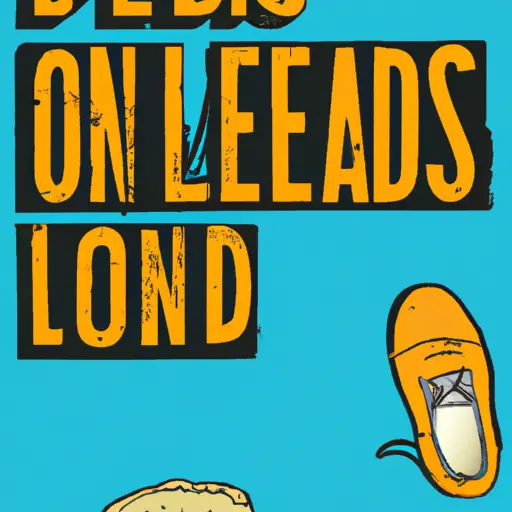
Today, dear listeners, we're diving into the strangely captivating world of the mundane. Let's talk about outfits, clogs, rot, and the notion of the edible. What a peculiar array of words, you might think. Yet, they've found their way into my storytelling toolkit in surprising ways. Picture this: a pair of old clogs I once inherited from my grandfather. They were fashioned in a rustic style, speckled with memories and dust. Each shuffle in those aged clogs felt like stepping into his world—a time when every well-worn item was cherished. I remember donning those clogs for an afternoon walk. I was wearing a casual outfit, one that didn't scream ‘notice me,’ but instead whispered tales of comfort and familiarity. It’s funny how the right outfit can transform simple footsteps into nostalgic echoes. Now, let's dwell on rot—not in a morbid sense—but as nature’s quiet artisan, crafting stories with its decay. Those clogs were once left unattended in a damp corner of my garage, slowly succumbing to the creeping embrace of rot. The leather, once robust, softened and darkened, telling tales of neglect. Yet, there's a strange beauty in rot—a reminder that time spares nothing but leaves everything touched by it more textured, more profound. From shoes to sustenance! Rot also finds its place in the culinary arts. Have you ever pondered the journey of what we consider edible? Cheeses that ripen, or fruits that ferment, owe part of their allure to controlled rot. It's almost as if rot, a process we often dread, holds a key to deepening flavors, enriching the earthiness of our food. One day, faced with a loaf of stale bread teetering on the edge of edibility, inspiration struck. Rather than discarding it, I transformed it. Cubes of this nearly forsaken bread became crispy croutons—a testament to the art of extending life, if only fleetingly. I marveled at the edible salvage, grateful for the lesson in not always taking things at face value. The elements of the mundane—an outfit, a pair of clogs, the natural cycle of rot, and something as simple as turning food deemed ‘past its prime’ into a heightened delight. These pieces of everyday life weave a tapestry rich with stories and lessons. It's the mundane that teaches us to see magic in the overlooked corners of our world. So, next time you slide into an old pair of shoes, consider the journeys they've been on. Or as you bite into something, savor the subtle notes of transformation that rot and time have imparted. It's all around us: the delicate balance between neglect and renewal, waiting for us to pause, notice, and appreciate.

将听力转化为口语

在LexiTalk应用中获得即时反馈和每日练习。

下载应用

Cookie

我们使用 Cookie 用于必要功能、统计分析与广告。你可以接受、拒绝或管理偏好。 隐私政策

客服