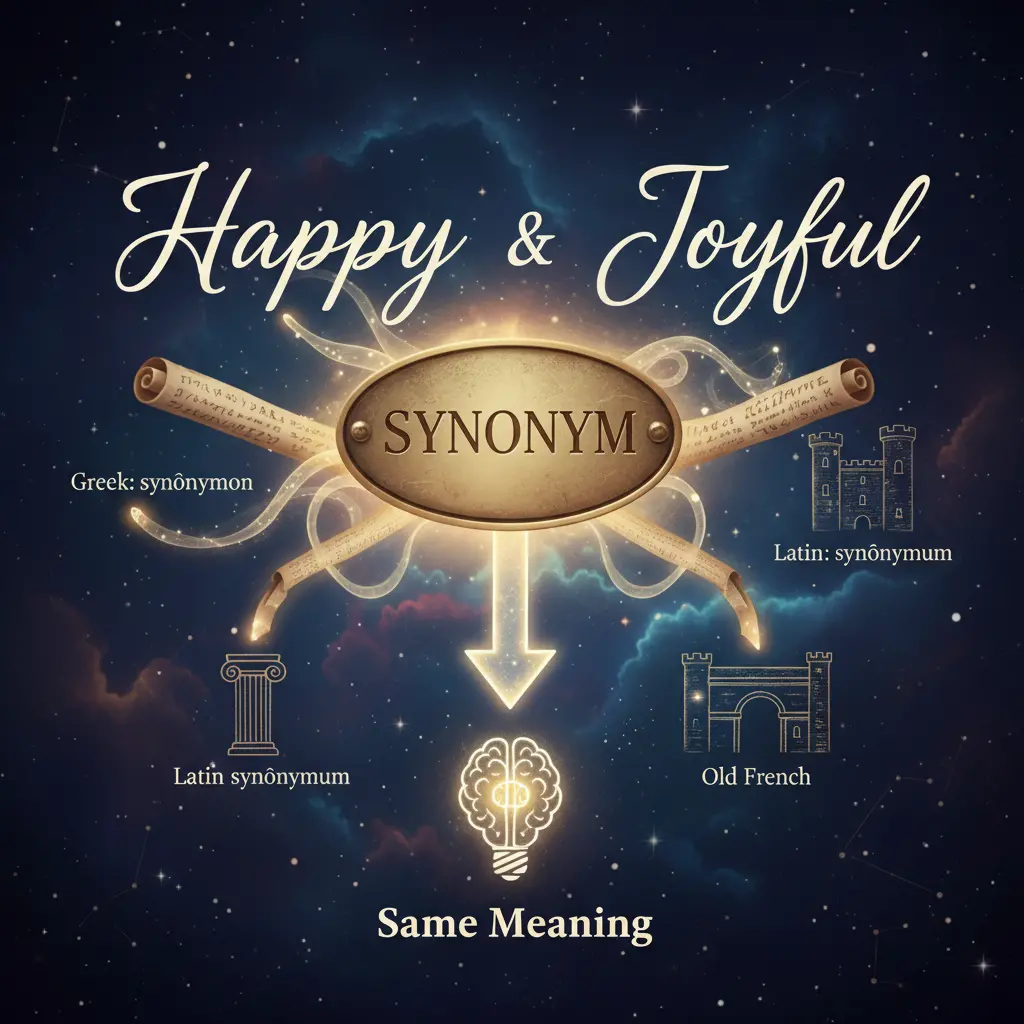
synonym 單詞的含義
- 與另一個詞意思相同或接近的詞
- 在語義上可互換的詞
- 表示相同概念的詞語
synonym 英文例句
例句是你理解詞義的起點,不必急著背誦,先感受它在句子中的用法。
synonym 音標與發音
英式
/ˈsɪnənɪm/
美式
/ˈsɪnənɪm/
synonym 單詞的語源
根源分解:前綴 syn- 表示‘一起’,詞根 onym 表示‘名字’。歷史起源:希臘語 synōnymon → 拉丁語 synonum/synonymum → 古法語 synonyme,最後成為英語 synonym。記憶畫面:想像兩個詞同時帶著相同的名字標籤,指向相同的意義。
註一:這些釋義和詞源並非傳統字典中的標準定義,而是為了幫助記憶和理解單詞的實際應用而提供的擴展解釋。透過這些背景資訊,我們力求讓單詞更加生動、易於理解,並幫助你記住它們在真實生活中的含義。
註二:LexiTalk 在設計學習流程時,遵循語言學中的「可理解輸入」原則。當學習者接觸略高於自己水準、但能從語境中理解的內容時,大腦會自然吸收語言。這就是為什麼我們讓每個單詞都出現在真實語境中,透過例句和聯想幫助你理解並靈活使用。
前往 FAQ 了解「可理解輸入」
真實語境解釋
同義詞是指意義相同或非常接近的詞。在英語學習中,同義詞常因語氣、正式程度和語用而產生差異,因此選擇合適的同義詞對清晰度與文風很重要。學習者應透過例句與搭配來比較近義詞的細微差別,而非單純替換同一詞。舉例而言,big 與 enormous 含義相近,但前者較口語,後者較強調強度。透過實際練習把同義詞放進句子,避免反覆使用同一詞而使表達顯得呆板。
用法提醒
- 在使用同義詞時,先考慮語氣與正式程度。
- 替換前檢查搭配與情感色彩。
- 在實際句子中測試替換,確保意思不變。
- 用筆記記錄細微差別。
- 回顧錯誤,了解哪個同義詞聽起來不自然。
常見誤解
- 所有同義詞在任何句子裡都可以互換。
- 同義詞的語感和語氣完全相同。
- 同義詞在正式程度上總是等同。
- 詞彙量越大越好,不必關心搭配。
- 同義詞有完全相同的搭配與用法。
語言思維差異
對於繁體中文使用者,英語的同義詞在語氣、正式程度與搭配上常有微妙差異,容易誤把它們當成完全可互換的。重點在於情境與語感的匹配,以及避免硬替換。
學習提示
- 多背5–8個常用動詞的近義詞。
- 註明每個詞的語氣與正式程度。
- 先在短句中練習替換。
- 在相同情境中比較兩個同義詞的差異。
- 建立個人筆記記錄細微差異。
- 檢視錯誤並修正用詞。
五步學習法,用英語來學習英語
步驟1:含義
What does the word 'synonym' mean?
A.A word that sounds like another word but has a different meaning
B.A word that has the opposite meaning of another word
C.A word that has the same or nearly the same meaning as another word
D.A made-up word used for playful language
步驟2:使用
Which sentence uses the word 'synonym' correctly?
A.The words 'flower' and 'flour' are synonyms because they sound the same
B.A synonym of 'big' is 'enormous'
C.She wrote the synonym of the poem to change its meaning
D.You can synonym a sentence to make it shorter
步驟3:同義詞
Which word is most similar in meaning to 'synonym'?
A.antonym
B.equivalent
C.homophone
D.translation
步驟4:反義詞
Which word is the opposite of 'synonym'?
A.antonym
B.equivalent
C.homonym
D.parallel
步驟5:掌握
Can you think of a real-life context where you would use this word?
A.While translating, I always pick the first word that comes to mind in the other language
B.If two words sound the same but mean different things, I use them to make puns
C.When writing, I choose words that mean the same to avoid repeating the same word too often
D.When I invent new words, I mix unrelated words to create a fresh meaning
想要練習更多單詞嗎?
下載 LexiTalk 應用程式,獲得個人化學習體驗
下載應用