
LexiTalk LexiTalk

Professionelles Englisch Hörinhalt: Exploring Botanical Art

Bei LexiTalk begegnen Sie natürlichem Englisch über Hörinhalte im echten Kontext. Durch wiederholtes Hören, Nachsprechen und Nutzen desselben Kontexts bauen Sie stabile Hör- und Sprechreaktionen auf.

Hören und Sprechen Wortspiel starten 📱 App herunterladen Warum über Brain Routes statt über Übersetzung lernen?
Exploring Botanical Art - Advanced English Learning Podcast - LexiTalk
🔥 Advanced · 2025.10.01 · 1m49s

🎧 Fortgeschrittene Englisch Audio Übung

0:00 / 0:00
Fünf-Durchgänge-Hörmethode

Einen Hörinhalt in wiederverwendbaren Englisch-Input verwandeln

Höre nicht nur einmal. Teile dieselbe Episode in fünf Durchgänge auf: erst den Gesamtinhalt, dann Sprachhilfe, Shadowing, Diktat und zum Schluss ein erneutes Hören ohne Untertitel.

Durchgang 1

Blindes Hören

Verstehe die Hauptidee, das Thema und die wichtigsten Informationen ohne Untertitel.
Durchgang 2

Englische Untertitel

Kläre unbekannte Wörter und schwierige Sätze. Nutze bei Bedarf ein Wörterbuch und kurze Notizen.

Durchgang 3

Shadowing

Sprich Satz für Satz nach und imitiere Aussprache, Rhythmus, Betonung und Intonation.

Durchgang 4

Diktat

Schreibe einige Schlüsselsätze aus dem Gehörten auf, um Form und Struktur zu trainieren.

Durchgang 5

Erneut ohne Untertitel hören

Höre noch einmal ohne Textunterstützung und achte darauf, was jetzt leichter und klarer ist.

Nach dem Training

Teilen und nacherzählen

Teile Notizen, neue Wörter oder einen nützlichen Begriff und erzähle die Episode dann mit eigenen Worten nach.

Nächster Schritt

Vom intensiven zum extensiven Hören

Nutze intensiv bearbeitete Episoden später als Hintergrundmaterial und erhöhe dein Hörvolumen mit vertrauten Inhalten.

Durchgang 1Durchgang 2Durchgang 3Durchgang 4Durchgang 5

📝 Fortgeschrittener Englisch Dialog

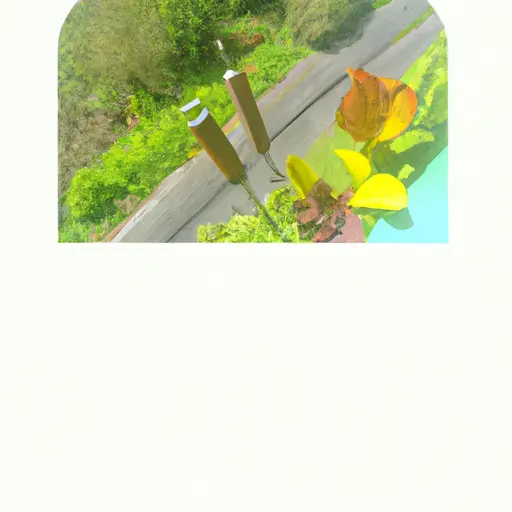
Today, we're going to explore the fascinating world of botanical art. This is a genre that beautifully merges science and art. Botanical illustrations are often meticulously detailed, showcasing plant life in ways that serve both aesthetic and educational purposes. One of the most intriguing aspects of botanical art is how it has evolved over centuries. Artists used to rely on traditional techniques that often felt rigid and formal. However, modern botanical artists now embrace their creativity and develop brand-new styles that reflect contemporary tastes. Interestingly, some of today's best-known botanical artists have backgrounds in scientific illustration. They strive to present plants in their natural environments, capturing not just their appearances but their essence, too. An example of this is how artists render flowers. They often feel a deep connection to their subjects, which allows for a greater understanding of the flora they depict. In recent years, there's been a resurgence of interest in this art form. People appreciate the beauty of nature, and botanical illustrations have found a remarkable place in galleries and exhibitions. They evoke emotions and draw viewers into the wonders of the natural world. As we delve deeper into this topic, think about how different artists use various mediums, from watercolor to digital formats, to represent their botanical subjects. Each approach brings a unique perspective to the field.

📝 📚 Fortgeschrittene Übungsfragen

1

What is the primary focus of the talk?

2

What do contemporary botanical artists emphasize in their work?

3

According to the talk, what has contributed to the renewed interest in botanical art?

4

In the context of the passage, what does 'brand-new' best suggest?

5

What should listeners consider as they delve deeper into botanical art?

Hören in Sprechen verwandeln

Erhalten Sie sofortiges Feedback und tägliche Übung in der LexiTalk App.

App herunterladen

Cookies

Wir verwenden Cookies für notwendige Funktionen, Analysen und Werbung. Sie können akzeptieren, ablehnen oder Einstellungen verwalten. Datenschutzrichtlinie

Support