alcohol - Master This Word
Master this word with our 5-step learning method – Learn English in English
Train English Through Brain Routes, Not Translation.
This page helps you stop memorizing isolated translations and start understanding a word through its shared mental image, native-style thinking, and practical training steps.
Master this word with our 5-step learning method – Learn English in English
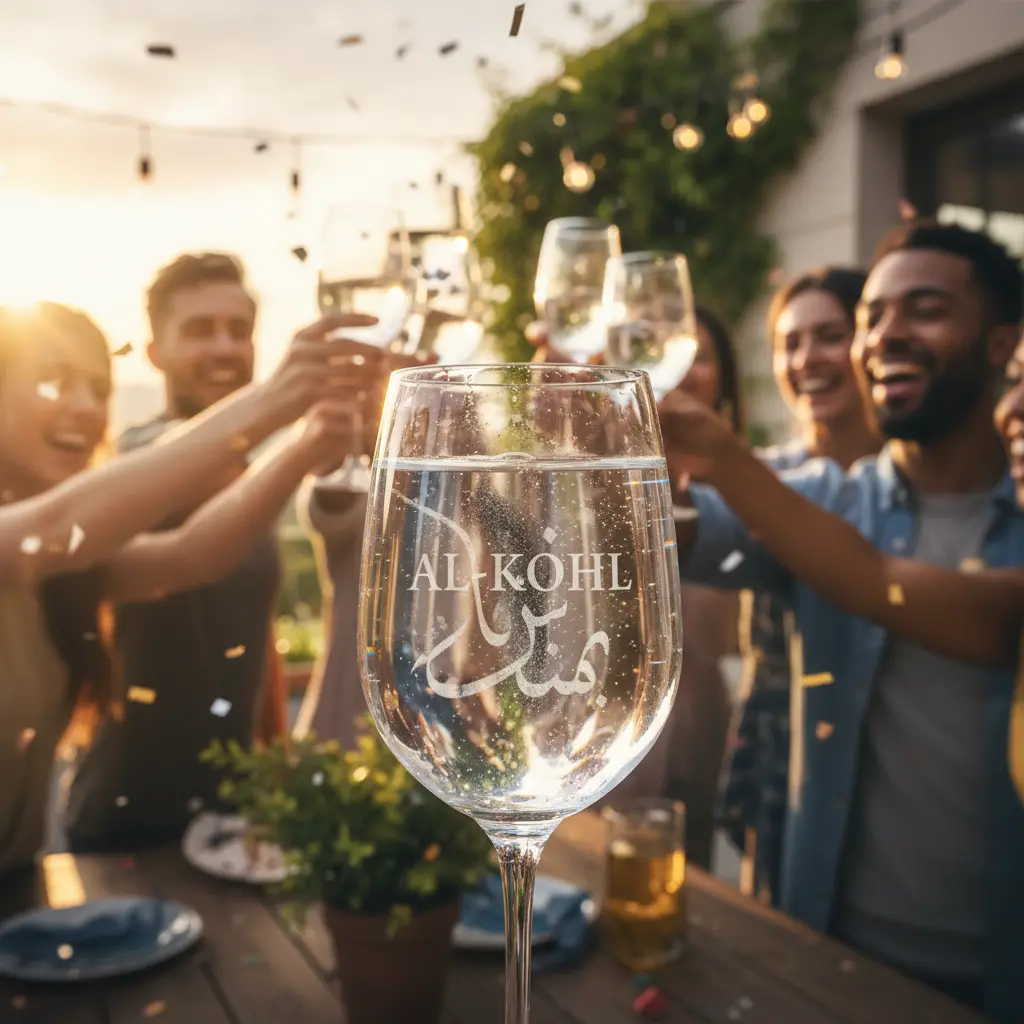
Example sentences are the start of understanding. Don't rush to memorize. First feel how the word works in a sentence.
Root decomposition: al- = 'the', cohol = 'kohl' (a powder of antimony). Historical origin: Arabic → Latin → Middle English. Memory image: Picture a clear liquid that seems to reflect the essence of celebration and gatherings, often associated with cheers among friends.
Note 1: These definitions and etymologies are not standard dictionary definitions, but extended explanations provided to help with memorization and understanding of the actual application of words. Through this background information, we strive to make words more vivid and easier to understand, and help you remember their meanings in real life.
Note 2: LexiTalk designs the learning flow around the linguistics principle of “Comprehensible Input.” When learners encounter material that is slightly above their level but still understandable from context, the brain naturally absorbs the language. That’s why we keep every word inside authentic contexts, using examples and associations to help you understand it and use it flexibly.
Read the FAQ explanation of Comprehensible InputI lift a glass and move it toward my lips, fingers finding a steady hold. The colorless liquid shifts as I tilt, a cool splash and a faint scent rising. I adjust my grip and feel the warmth slide down, a quiet change in mood. By the end, the word sits with the glass in my hand, the warmth in my chest, and the sense that alcohol can name both a drink and a mood.
Alcohol is a colorless liquid with many roles. As a beverage it includes beer, wine, and spirits produced by fermentation or distillation. In science, alcohol refers to any organic compound containing a hydroxyl group (-OH), with ethanol being the most common drinking type. In everyday English, 'alcohol' can also mean intoxication or the state of being drunk, especially in phrases like 'under the influence' or 'alcohol-free' products. The word traces its roots through Arabic to Latin and Middle English, and a memory image is a clear liquid tied to celebrations and gatherings.
English learners often separate 'alcohol' as a general term from specific chemical uses (ethanol) and from colloquial senses like intoxication; keep these senses distinct in context.
What does the word 'alcohol' refer to?
How is the word 'alcohol' commonly used in everyday conversation?
Which of the following is a similar word to 'alcohol'?
What is the opposite meaning of 'alcohol'?
In what context might you encounter the word 'alcohol'?
Download LexiTalk app for personalized learning experience
Download AppCookies
We use cookies for essential site functions, analytics, and ads. You can accept, reject, or manage preferences. Privacy Policy