
aurora - Master This Word
Master this word with our 5-step learning method – Learn English in English
Train English Through Brain Routes, Not Translation.
This page helps you stop memorizing isolated translations and start understanding a word through its shared mental image, native-style thinking, and practical training steps.
Master this word with our 5-step learning method – Learn English in English
Example sentences are the start of understanding. Don't rush to memorize. First feel how the word works in a sentence.
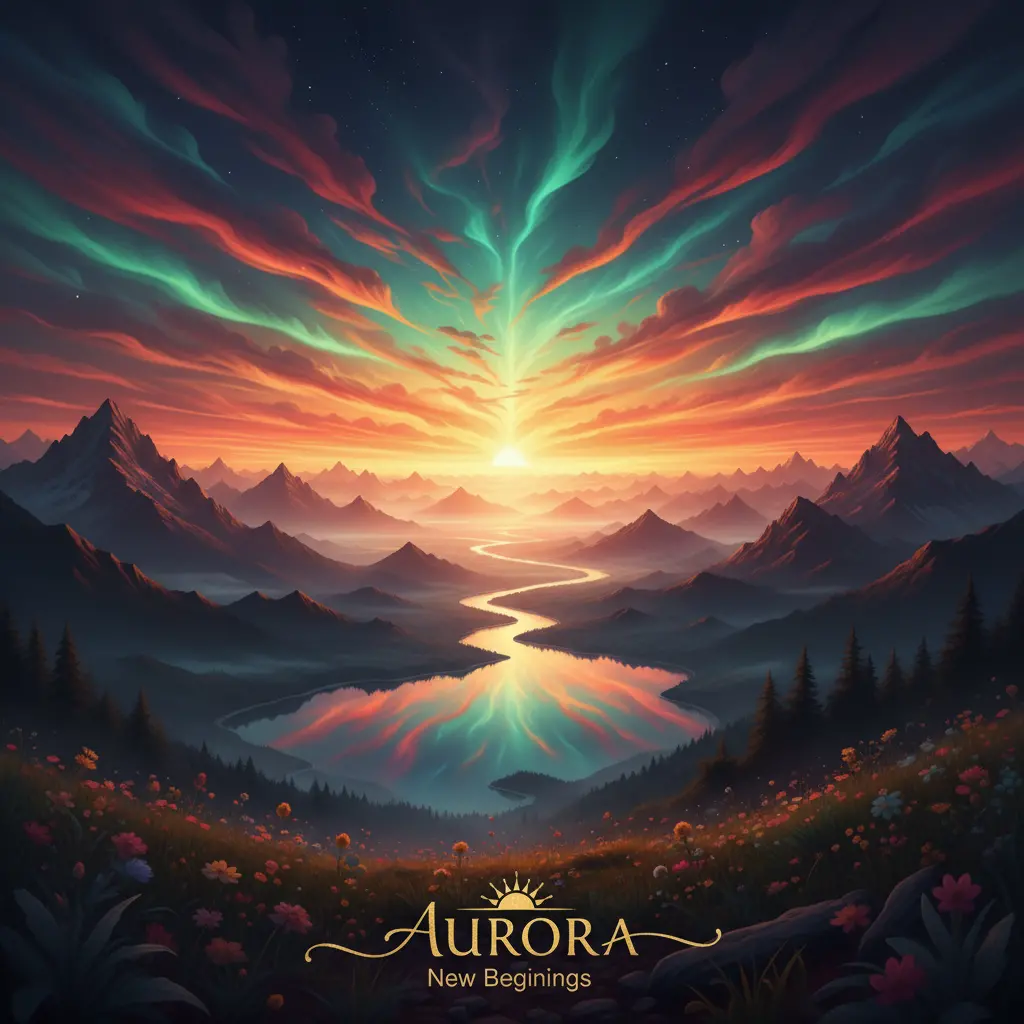
Root decomposition: 'aur-' (dawn) + '-ora' (related to). Historical origin: Latin 'aurora' → Old French 'aurore' → English 'aurora'. Memory image: Imagine a sky painted in glowing reds and greens as dawn breaks, transforming darkness into vibrant light, illustrating both the beauty of nature and the figurative sense of new beginnings.
Note 1: These definitions and etymologies are not standard dictionary definitions, but extended explanations provided to help with memorization and understanding of the actual application of words. Through this background information, we strive to make words more vivid and easier to understand, and help you remember their meanings in real life.
Note 2: LexiTalk designs the learning flow around the linguistics principle of “Comprehensible Input.” When learners encounter material that is slightly above their level but still understandable from context, the brain naturally absorbs the language. That’s why we keep every word inside authentic contexts, using examples and associations to help you understand it and use it flexibly.
Read the FAQ explanation of Comprehensible InputAn aurora is a natural light display that glows in the night sky, most often near the polar regions, produced when energized particles from the sun collide with the Earth's atmosphere. The result is shimmering curtains of green, red, purple, and blue that seem to ripple and dance. In Roman mythology, Aurora is the goddess of dawn, a figure who ushers in daylight with a bright, hopeful presence. Beyond science, the word can describe any brilliant or colorful display, a vivid sign of change or new beginnings. The concept invites learners to picture light transforming darkness into beauty and possibility.
Aurora blends scientific terminology with mythic storytelling, so learners should note both senses and practice switching between them. Remember that it is a proper noun in myth and a common noun for the natural light show. Don’t over-literalize the metaphor when speaking about new beginnings.
What is the meaning of 'aurora'?
Which sentence uses the word 'aurora' correctly?
Which word is most similar to 'aurora'?
What is the opposite of 'aurora'?
Can you give an example of a real-life scenario related to 'aurora'?
Download LexiTalk app for personalized learning experience
Download AppCookies
We use cookies for essential site functions, analytics, and ads. You can accept, reject, or manage preferences. Privacy Policy