bananas - Master This Word
Master this word with our 5-step learning method – Learn English in English
Train English Through Brain Routes, Not Translation.
This page helps you stop memorizing isolated translations and start understanding a word through its shared mental image, native-style thinking, and practical training steps.
Master this word with our 5-step learning method – Learn English in English
Example sentences are the start of understanding. Don't rush to memorize. First feel how the word works in a sentence.
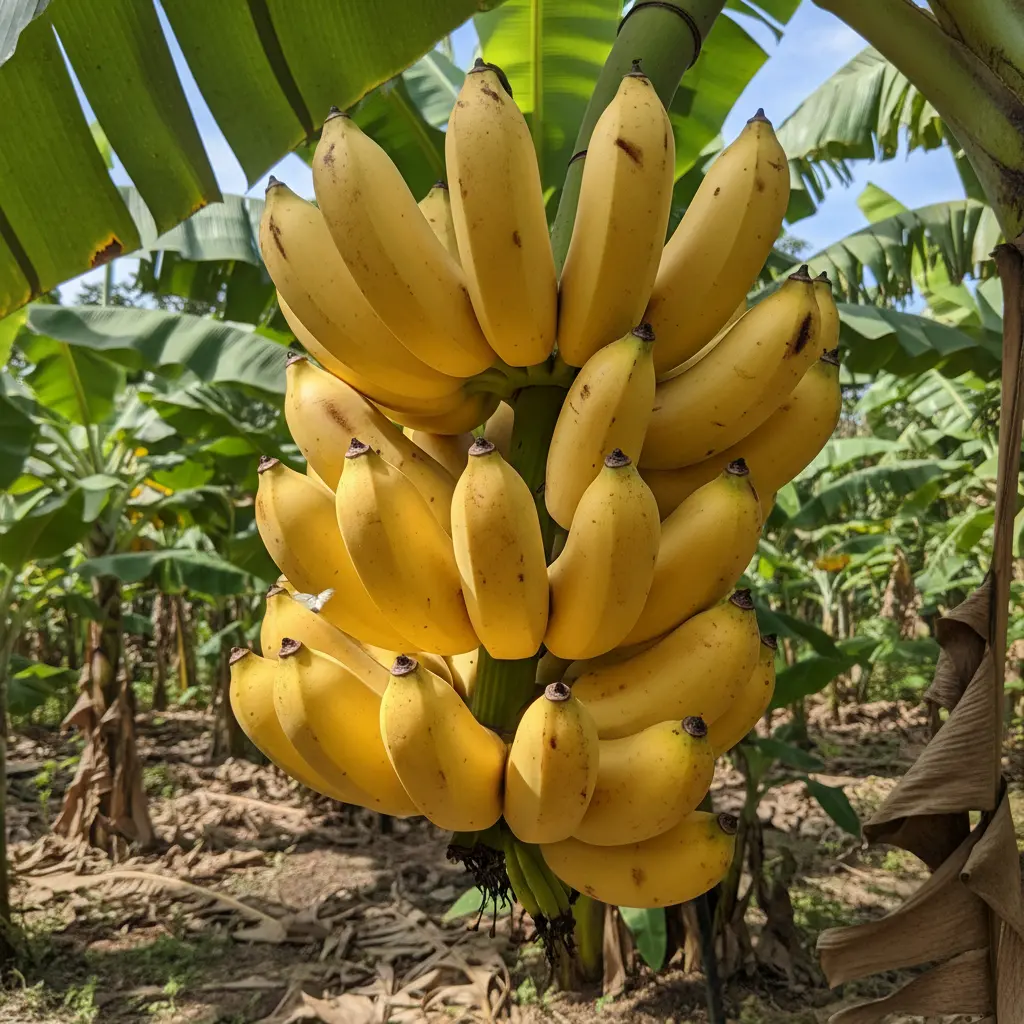
ba- (perhaps from an African language) + '-nana' (suffix), from early 17th-century trade; image: Imagine a bunch of yellow bananas hanging from a tree, looking bright and inviting. This image evokes the sweetness and essential nutrients of the fruit.
Note 1: These definitions and etymologies are not standard dictionary definitions, but extended explanations provided to help with memorization and understanding of the actual application of words. Through this background information, we strive to make words more vivid and easier to understand, and help you remember their meanings in real life.
Note 2: LexiTalk designs the learning flow around the linguistics principle of “Comprehensible Input.” When learners encounter material that is slightly above their level but still understandable from context, the brain naturally absorbs the language. That’s why we keep every word inside authentic contexts, using examples and associations to help you understand it and use it flexibly.
Read the FAQ explanation of Comprehensible InputI reach out, pick up a banana, and let it tilt in my palm. I twist it, push a finger to loosen it from the bunch, and set it on the counter. The skin and the curved fruit feel soft, and I adjust my grip to keep it steady as I notice its gentle aroma. In a recipe or with cereal, the banana becomes part of the moment, a simple piece of the dish.
Banana is a versatile fruit that grows in long hanging clusters on tropical plants. It is usually curved, with a yellow peel when ripe, though green and red varieties exist. People eat bananas raw, add them to cereals, or blend them into smoothies and desserts. They are a handy source of natural sugars for quick energy and potassium, which supports heart and muscle function. The word banana entered English in the early 17th century through trade routes, highlighting its status as a familiar everyday noun rather than a technical term. In lessons, note common collocations like banana bread, banana peel, banana split, and banana smoothie to encourage fluent usage.
Explain to an English speaker: bananas are a familiar everyday fruit with many common collocations; highlights include many color varieties and the countable/plural usage with bananas.
Download LexiTalk app for personalized learning experience
Download AppCookies
We use cookies for essential site functions, analytics, and ads. You can accept, reject, or manage preferences. Privacy Policy