belts - Master This Word
Master this word with our 5-step learning method – Learn English in English
Train English Through Brain Routes, Not Translation.
This page helps you stop memorizing isolated translations and start understanding a word through its shared mental image, native-style thinking, and practical training steps.
Master this word with our 5-step learning method – Learn English in English
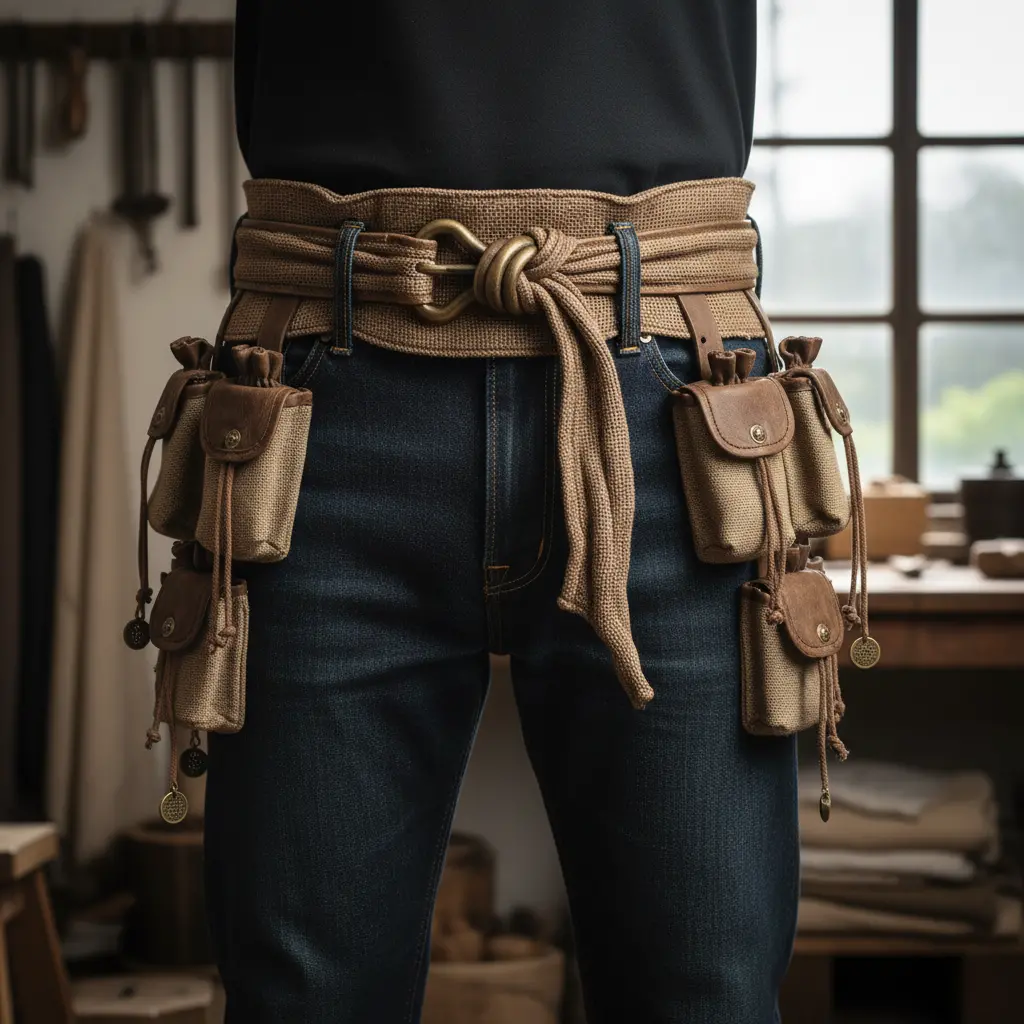
Example sentences are the start of understanding. Don't rush to memorize. First feel how the word works in a sentence.
belt = belte (Old English) + -a (Old French diminutive suffix), historically from Proto-Germanic *balgô meaning 'bag' or 'sack', suggesting a strip of material that holds things together. Visualize a belt securing your pants as a bag contains its contents, tying everything together.
Note 1: These definitions and etymologies are not standard dictionary definitions, but extended explanations provided to help with memorization and understanding of the actual application of words. Through this background information, we strive to make words more vivid and easier to understand, and help you remember their meanings in real life.
Note 2: LexiTalk designs the learning flow around the linguistics principle of “Comprehensible Input.” When learners encounter material that is slightly above their level but still understandable from context, the brain naturally absorbs the language. That’s why we keep every word inside authentic contexts, using examples and associations to help you understand it and use it flexibly.
Read the FAQ explanation of Comprehensible InputI grab the belt from the wardrobe, the strap warm in my hand. I thread it through the belt loops, pull and twist, then give a quick turn to snug it. The effort feels real, a moment of control as the buckle clicks and the fit settles. In that simple act, the belt lets me keep my pants in place and set a steady pace for the day.
Belt is a versatile word in English with several related senses. Most often it refers to a strip of material worn around the waist to hold up pants or to cinch a dress. An accessory can also function as a decorative or fashion statement. Beyond clothing, belt extends to the machinery sense: a conveyor belt or timing belt that moves items along a line. People also use belt in idioms, such as 'to belt up' meaning to shut up, or 'to belt out a song' meaning to sing loudly. Learners should watch for context cues: clothing belts use belt, safety belts use seat belt, and mechanical belts name specific devices.
English learners should note belt covers both a clothing accessory and a machine part; context signals which sense is intended. Idioms like belt up and belt out add nuance but can be confusing if translated literally.
What is the meaning of 'belts'?
Which sentence uses 'belts' correctly?
Which word is most similar to 'belts'?
What is the opposite of 'belts'?
Can you think of a real-life context involving belts?
Download LexiTalk app for personalized learning experience
Download AppCookies
We use cookies for essential site functions, analytics, and ads. You can accept, reject, or manage preferences. Privacy Policy