bigger - Master This Word
Master this word with our 5-step learning method – Learn English in English
Train English Through Brain Routes, Not Translation.
This page helps you stop memorizing isolated translations and start understanding a word through its shared mental image, native-style thinking, and practical training steps.
Master this word with our 5-step learning method – Learn English in English
Example sentences are the start of understanding. Don't rush to memorize. First feel how the word works in a sentence.
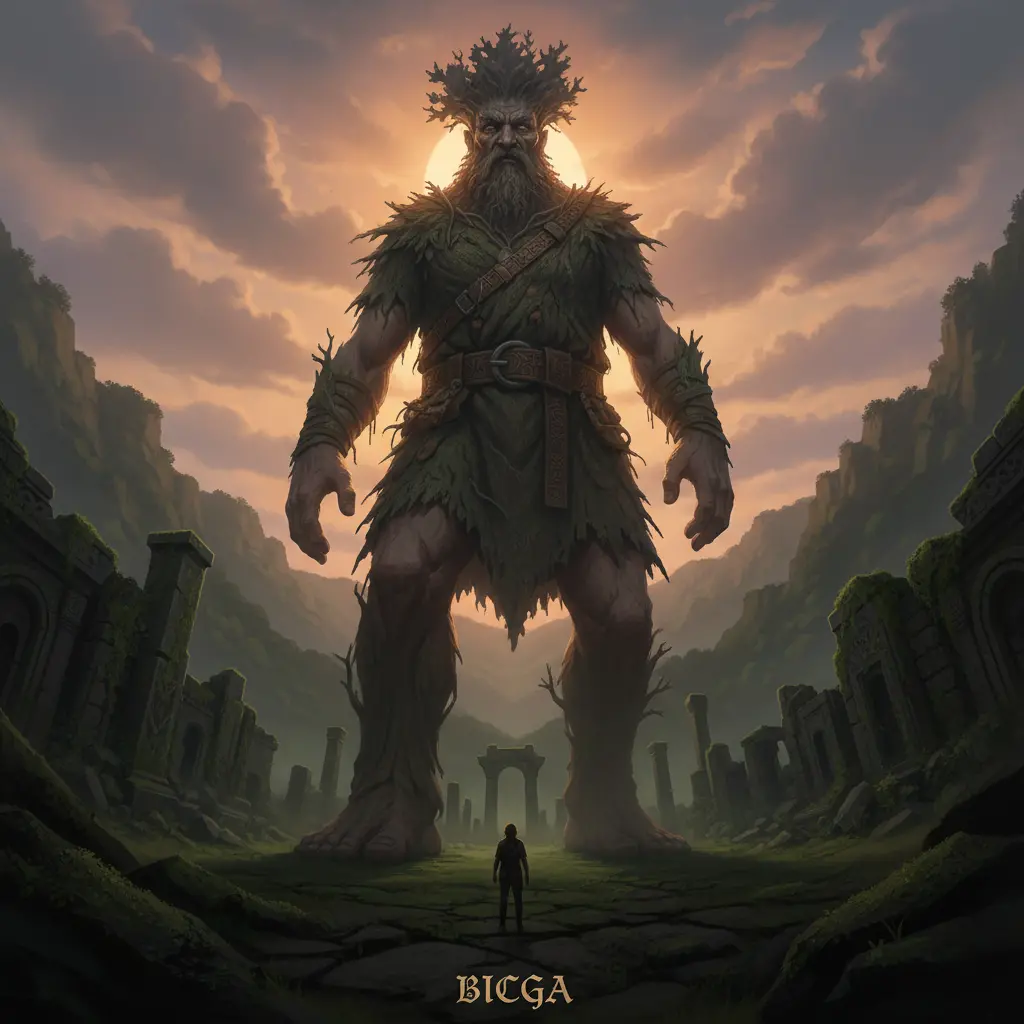
Root: big, historical origin: Old English 'bicga', memory image: imagine standing next to a giant towering over you, emphasizing their massive size and presence.
Note 1: These definitions and etymologies are not standard dictionary definitions, but extended explanations provided to help with memorization and understanding of the actual application of words. Through this background information, we strive to make words more vivid and easier to understand, and help you remember their meanings in real life.
Note 2: LexiTalk designs the learning flow around the linguistics principle of “Comprehensible Input.” When learners encounter material that is slightly above their level but still understandable from context, the brain naturally absorbs the language. That’s why we keep every word inside authentic contexts, using examples and associations to help you understand it and use it flexibly.
Read the FAQ explanation of Comprehensible InputFirst I grip a box and pull it toward me, then push it across the floor. The box feels big in my hands, and I have to adjust my stance to keep it from tipping. I set my shoulders, breathe steadily, and move it toward the shelf, noticing how its size changes the space. That sense of big grows beyond size, hinting at importance or impact as I decide where to put it.
Big is one of English's most flexible adjectives. It primarily means large in size or quantity, as in a big car or a big crowd, but it also signals importance or impact, as in a big decision or a big influence. In informal speech, big often functions as an intensifier, making things feel more dramatic or impressive: a big deal, a big mistake, big time. The word can describe power or force when paired with nouns like a big engine or a big punch. Learners frequently confuse big with great in emotional contexts; remember that great leans toward quality or goodness, while big emphasizes scale or intensity. Etymology ties to old roots for giant size.
Big is a core English descriptor that blends size, importance, and intensity; learners must gauge when each sense fits, and avoid overusing it in formal writing where 'significant' or 'substantial' may be clearer. Contextual cues and collocations often determine the intended nuance.
What is the meaning of the word 'bigger'?
Which sentence uses 'bigger' correctly?
Which word is most similar to 'bigger'?
What is the opposite of the word 'bigger'?
Can you describe a situation where something is bigger?
Technology & Social Media
Listen NowDownload LexiTalk app for personalized learning experience
Download AppCookies
We use cookies for essential site functions, analytics, and ads. You can accept, reject, or manage preferences. Privacy Policy