
biometrics - Master This Word
Master this word with our 5-step learning method – Learn English in English
Train English Through Brain Routes, Not Translation.
This page helps you stop memorizing isolated translations and start understanding a word through its shared mental image, native-style thinking, and practical training steps.
Master this word with our 5-step learning method – Learn English in English
Example sentences are the start of understanding. Don't rush to memorize. First feel how the word works in a sentence.
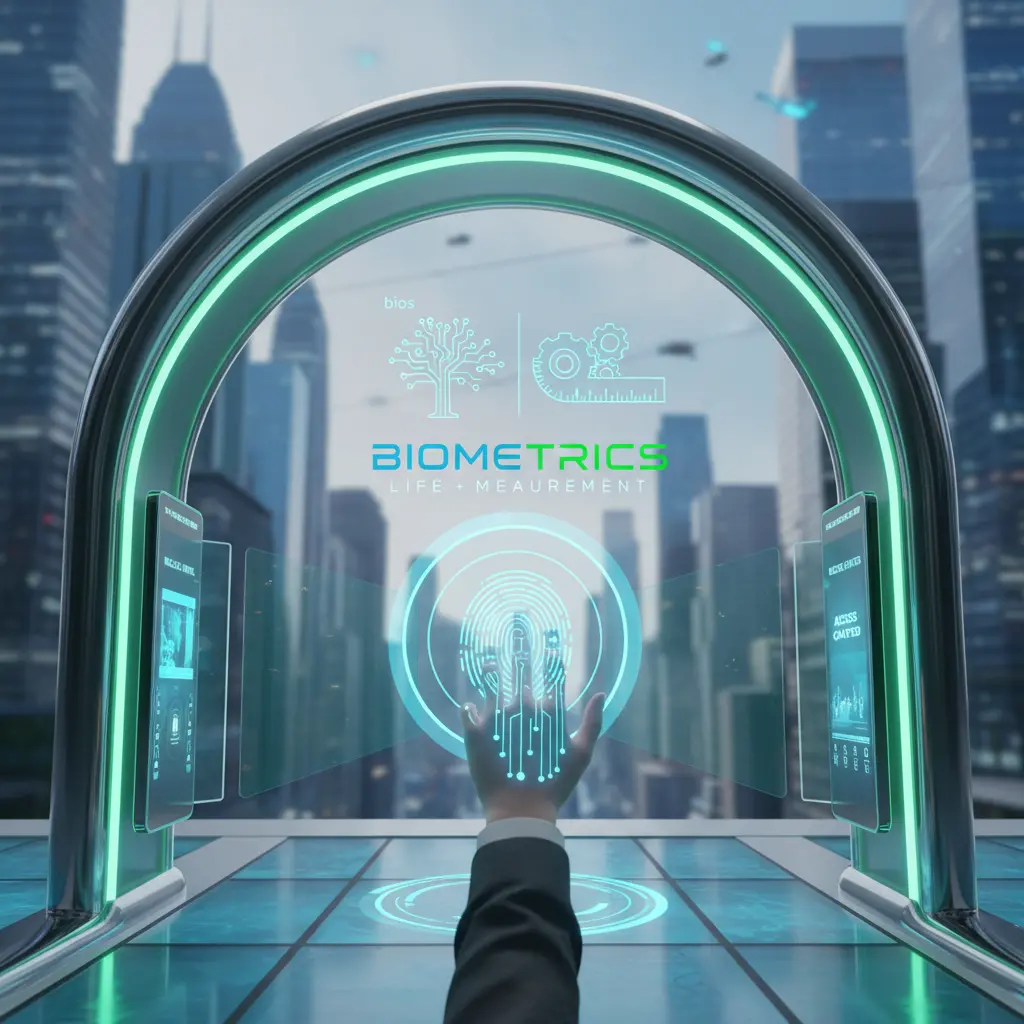
biometrics: (bio- + metrics) → Greek 'bios' (life) + Greek 'metron' (measurement) → coined in the 20th century. Imagine a futuristic gate that scans your fingerprint and automatically recognizes you.
Note 1: These definitions and etymologies are not standard dictionary definitions, but extended explanations provided to help with memorization and understanding of the actual application of words. Through this background information, we strive to make words more vivid and easier to understand, and help you remember their meanings in real life.
Note 2: LexiTalk designs the learning flow around the linguistics principle of “Comprehensible Input.” When learners encounter material that is slightly above their level but still understandable from context, the brain naturally absorbs the language. That’s why we keep every word inside authentic contexts, using examples and associations to help you understand it and use it flexibly.
Read the FAQ explanation of Comprehensible InputBiometrics combines biology and measurement to identify people, using unique physical or behavioral traits such as fingerprints, iris patterns, facial features, or voice. It is used in security and access control, from unlocking devices to logging into systems, and often paired with passwords for layered protection. While convenient and hard to spoof, biometric data raises privacy concerns, and accuracy can vary by feature, environment, or user conditions. Learners should note that biometrics complements other methods rather than replacing them entirely, and terms like biometric data and biometric authentication are common collocations.
Biometrics sits at the intersection of biology and data science; English users often stress the practical, security-oriented meaning, while learners may fixate on the word 'bio' as purely biological research, overlooking its engineered, applied nature in authentication.
What is the definition of biometrics?
Which sentence uses the word biometrics correctly?
Which word is most similar to biometrics?
What is the opposite of biometrics?
Can you think of a real-life context where this term is relevant?
Download LexiTalk app for personalized learning experience
Download AppCookies
We use cookies for essential site functions, analytics, and ads. You can accept, reject, or manage preferences. Privacy Policy