
bullock - Master This Word
Master this word with our 5-step learning method – Learn English in English
Train English Through Brain Routes, Not Translation.
This page helps you stop memorizing isolated translations and start understanding a word through its shared mental image, native-style thinking, and practical training steps.
Master this word with our 5-step learning method – Learn English in English
Example sentences are the start of understanding. Don't rush to memorize. First feel how the word works in a sentence.
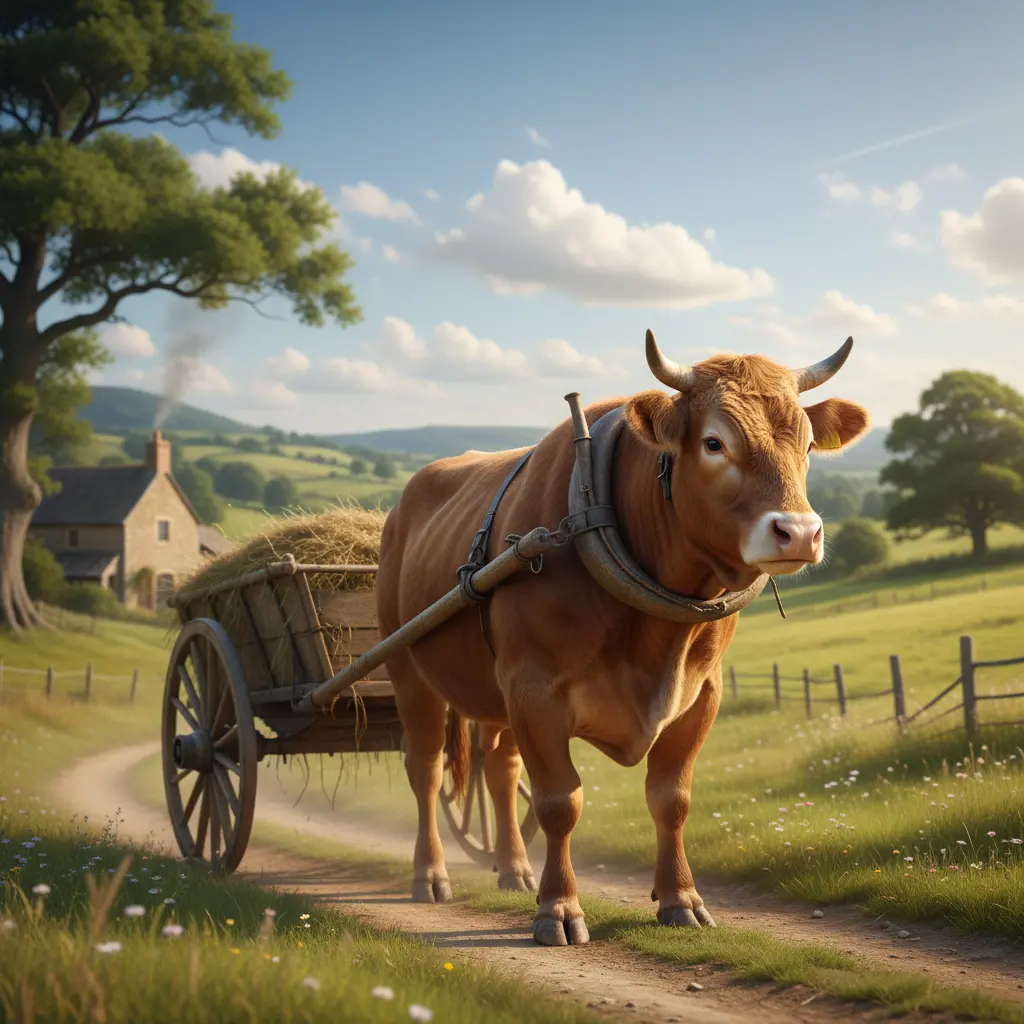
Root decomposition: bull (male bovine) + -ock (diminutive suffix). Historical origin: Old English 'buluc' from Proto-Germanic. Memory image: Imagine a young, sturdy bullock pulling a cart, symbolizing strength while being gentle.
Note 1: These definitions and etymologies are not standard dictionary definitions, but extended explanations provided to help with memorization and understanding of the actual application of words. Through this background information, we strive to make words more vivid and easier to understand, and help you remember their meanings in real life.
Note 2: LexiTalk designs the learning flow around the linguistics principle of “Comprehensible Input.” When learners encounter material that is slightly above their level but still understandable from context, the brain naturally absorbs the language. That’s why we keep every word inside authentic contexts, using examples and associations to help you understand it and use it flexibly.
Read the FAQ explanation of Comprehensible Inputbullock is a young castrated male bovine used historically as a draft animal. Historically, bullocks pulled plows, carts, and other farm implements, especially in agrarian societies before tractors became widespread. The term also carries a practical, robust connotation: a bullock is strong and sturdy, yet not aggressive, suitable for steady work. In modern English, the word is often found in older texts, rural speech, or regional dialects, and can evoke a pastoral or historical mood. Figuratively, describing a person as a 'bullock' might imply someone who is strong-willed and obstinate in a friendly, sometimes affectionate way; it’s not a precise insult, but could sound quaint or provincial to some listeners.
Explain to an English speaker (meta, keep short)
What is the definition of 'bullock'?
Which sentence correctly uses the word 'bullock'?
Which word is most similar to 'bullock'?
What is the opposite of 'bullock'?
Can you think of a real-life context where someone might mention a bullock?
Download LexiTalk app for personalized learning experience
Download AppCookies
We use cookies for essential site functions, analytics, and ads. You can accept, reject, or manage preferences. Privacy Policy