chore - Master This Word
Master this word with our 5-step learning method – Learn English in English
Train English Through Brain Routes, Not Translation.
This page helps you stop memorizing isolated translations and start understanding a word through its shared mental image, native-style thinking, and practical training steps.
Master this word with our 5-step learning method – Learn English in English
Example sentences are the start of understanding. Don't rush to memorize. First feel how the word works in a sentence.
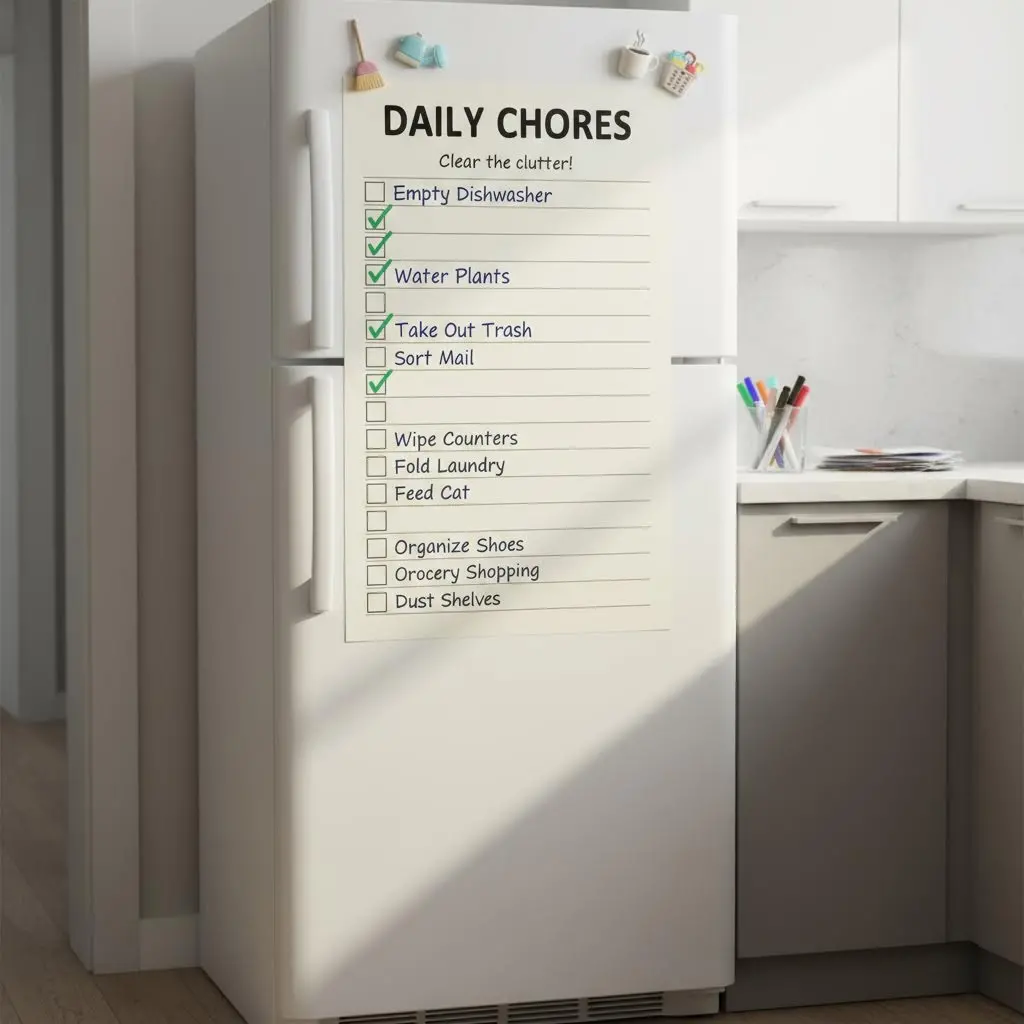
Root decomposition: root is chore; no prefix or suffix. Historical origin: the English word chore likely arose in Scotland or northern English dialects in the late Middle Ages; its exact lineage is uncertain and not from Latin or Greek. Memory image: imagine a long fridge side checklist of small tasks, every completed item earns a check and reduces clutter.
Note 1: These definitions and etymologies are not standard dictionary definitions, but extended explanations provided to help with memorization and understanding of the actual application of words. Through this background information, we strive to make words more vivid and easier to understand, and help you remember their meanings in real life.
Note 2: LexiTalk designs the learning flow around the linguistics principle of “Comprehensible Input.” When learners encounter material that is slightly above their level but still understandable from context, the brain naturally absorbs the language. That’s why we keep every word inside authentic contexts, using examples and associations to help you understand it and use it flexibly.
Read the FAQ explanation of Comprehensible InputChore is a routine domestic task, such as cleaning or laundry, typically small and repetitive. In everyday speech people say I have a lot of chores to do or that is your chore for today. The word can also describe a dull duty or obligation that you must complete, often with little sense of achievement. Chores are usually found at home and are contrasted with jobs outside the home or with errands that involve leaving the house. The plural chores covers several tasks, while a single chore refers to one item on the to do list. In conversation a household chore helps specify the domestic context.
For English learners, chore conveys domestic routine and a hint of drudgery, not a grand project; learners may confuse it with task or job and overgeneralize to non domestic tasks.
What is the meaning of the word 'chore'?
In which sentence is 'chore' used correctly?
Which of the following is a synonym for 'chore'?
What is the opposite of 'chore'?
How do you feel when you have to do a chore?
Download LexiTalk app for personalized learning experience
Download AppCookies
We use cookies for essential site functions, analytics, and ads. You can accept, reject, or manage preferences. Privacy Policy