creature - Master This Word
Master this word with our 5-step learning method – Learn English in English
Train English Through Brain Routes, Not Translation.
This page helps you stop memorizing isolated translations and start understanding a word through its shared mental image, native-style thinking, and practical training steps.
Master this word with our 5-step learning method – Learn English in English
Example sentences are the start of understanding. Don't rush to memorize. First feel how the word works in a sentence.
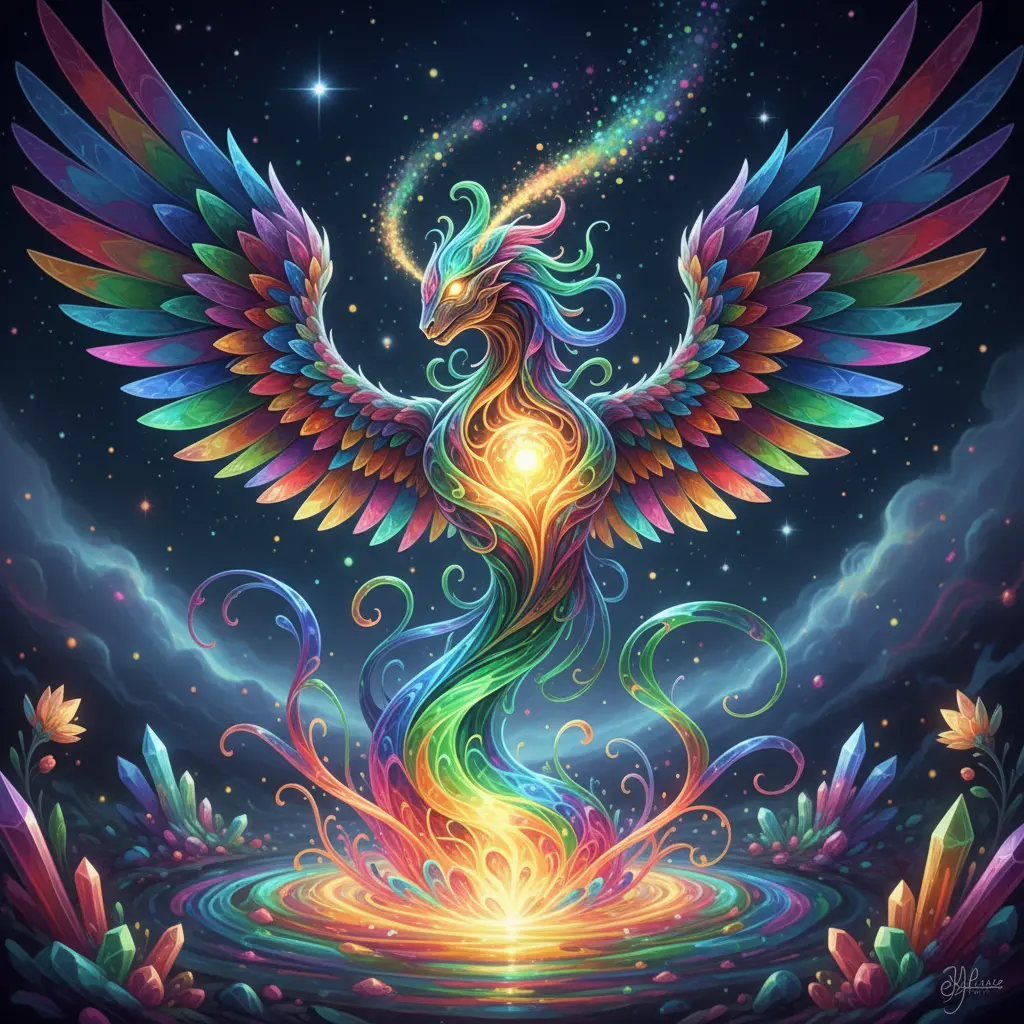
creature = create + -ure; Latin creatura (a creation) → Old French creature → English. Picture a creature emerging from a magical creation, with vibrant colors and distinct characteristics, symbolizing life itself.
Note 1: These definitions and etymologies are not standard dictionary definitions, but extended explanations provided to help with memorization and understanding of the actual application of words. Through this background information, we strive to make words more vivid and easier to understand, and help you remember their meanings in real life.
Note 2: LexiTalk designs the learning flow around the linguistics principle of “Comprehensible Input.” When learners encounter material that is slightly above their level but still understandable from context, the brain naturally absorbs the language. That’s why we keep every word inside authentic contexts, using examples and associations to help you understand it and use it flexibly.
Read the FAQ explanation of Comprehensible InputI lean in and place my attention on a creature perched by the stream. It shifts its weight, moves a foot, and I tighten my grip on the moment, trying to stay calm as I adjust my gaze. The feeling of watching grows, a mix of curiosity and care, and I realize the creature isn't just a thing but a presence in this small scene. With the scene in mind, I learn to keep using the word to describe more than animals—the creature becomes a living, breathing part of the moment.
Creature is a broad term for any living being, especially an animal. It can also refer to a fantastic or mythical being, such as a dragon or faerie, and it can characterize a person with a particular quality or temperament. The word comes from the Latin creatura, meaning a creation, via Old French creature, evolving into English as creature. In everyday use, it’s common in both natural description and fiction. It is countable (a creature, several creatures) and can carry affectionate, eerie, or neutral tones depending on context. Learners should note that creature often emphasizes individuality or strangeness rather than simply being another animal.
For English speakers, creature is a flexible, narrative term that can describe any living being or a character with distinctive traits. Learners often confuse it with more precise biological terms or with 'animal' in strict science contexts, and may overuse it for people.
What is the meaning of the word 'creature'?
In which sentence is 'creature' used correctly?
Which word is similar to 'creature'?
Which word is the opposite of 'creature'?
In what context would you likely hear the word 'creature'?
Download LexiTalk app for personalized learning experience
Download AppCookies
We use cookies for essential site functions, analytics, and ads. You can accept, reject, or manage preferences. Privacy Policy