crustaceans - Master This Word
Master this word with our 5-step learning method – Learn English in English
Train English Through Brain Routes, Not Translation.
This page helps you stop memorizing isolated translations and start understanding a word through its shared mental image, native-style thinking, and practical training steps.
Master this word with our 5-step learning method – Learn English in English
Example sentences are the start of understanding. Don't rush to memorize. First feel how the word works in a sentence.
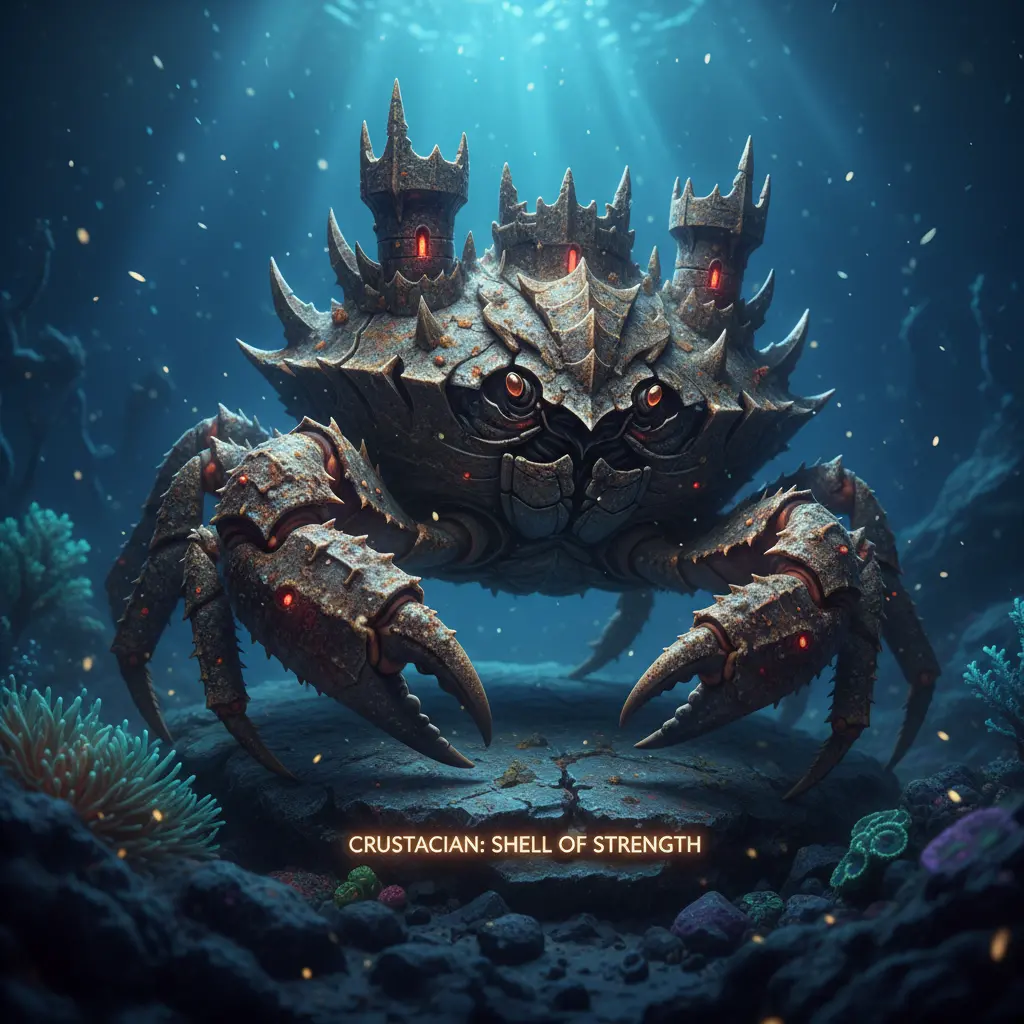
The word 'crustacean' comes from the Latin 'crustaceus' meaning 'having a shell', derived from 'crusta' meaning 'shell'. The historical journey follows Latin to Old French and then to English. Imagine a crab in its hardened shell, a miniature fortress, representing its protection and resilience.
Note 1: These definitions and etymologies are not standard dictionary definitions, but extended explanations provided to help with memorization and understanding of the actual application of words. Through this background information, we strive to make words more vivid and easier to understand, and help you remember their meanings in real life.
Note 2: LexiTalk designs the learning flow around the linguistics principle of “Comprehensible Input.” When learners encounter material that is slightly above their level but still understandable from context, the brain naturally absorbs the language. That’s why we keep every word inside authentic contexts, using examples and associations to help you understand it and use it flexibly.
Read the FAQ explanation of Comprehensible InputCrustacean is a term used in biology to describe a large group of aquatic animals that have a hard external shell. Members include crabs, lobsters, shrimp, crayfish, and barnacles. They typically have a segmented body with jointed limbs and a ventral abdomen that can be tucked under the shell. Most crustaceans live in water, from oceans to freshwater, and many molt as they grow to shed their old shells. The word emphasizes the protective exoskeleton rather than internal bones. Etymology traces crustaceus from Latin meaning having a shell; from Latin to Old French and into English, reflecting how early observers imagined these fortress-like bodies.
Think of crustaceans as a biological group defined by an external shell and jointed limbs. Learners often assume all crustaceans are large or that all have shells at all times; English labels also encourage listing specific species.
Download LexiTalk app for personalized learning experience
Download AppCookies
We use cookies for essential site functions, analytics, and ads. You can accept, reject, or manage preferences. Privacy Policy