desert - Master This Word
Master this word with our 5-step learning method – Learn English in English
Train English Through Brain Routes, Not Translation.
This page helps you stop memorizing isolated translations and start understanding a word through its shared mental image, native-style thinking, and practical training steps.
Master this word with our 5-step learning method – Learn English in English
Example sentences are the start of understanding. Don't rush to memorize. First feel how the word works in a sentence.
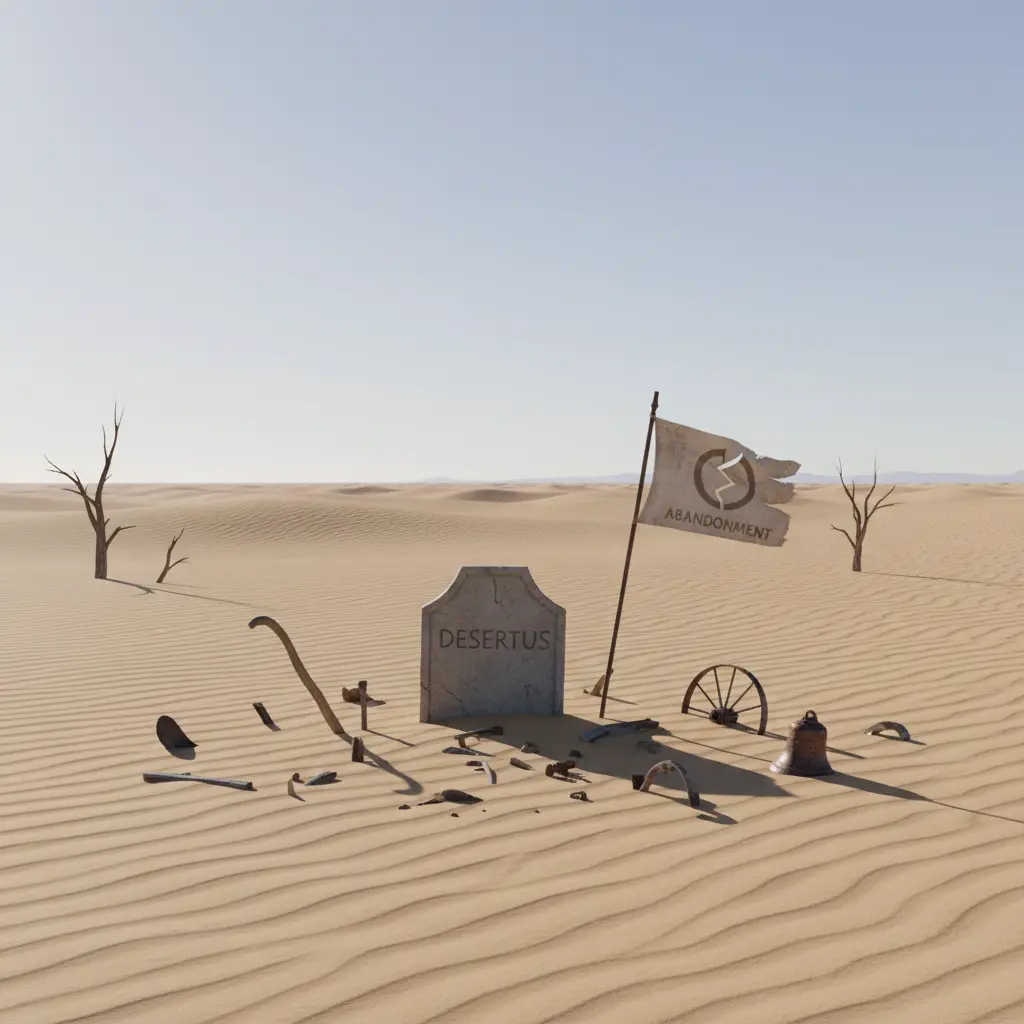
desert = de- (away) + sert (to serve) → Latin desertus → Old French deserte → English. Imagine a vast sandy landscape where nothing survives and the idea of service is lost, representing abandonment.
Note 1: These definitions and etymologies are not standard dictionary definitions, but extended explanations provided to help with memorization and understanding of the actual application of words. Through this background information, we strive to make words more vivid and easier to understand, and help you remember their meanings in real life.
Note 2: LexiTalk designs the learning flow around the linguistics principle of “Comprehensible Input.” When learners encounter material that is slightly above their level but still understandable from context, the brain naturally absorbs the language. That’s why we keep every word inside authentic contexts, using examples and associations to help you understand it and use it flexibly.
Read the FAQ explanation of Comprehensible InputI place a hand on the dusty map and take a step forward, moving toward the edge of town as the road turns hot under the sun. I push through the heat, adjust my pack, and keep walking away from what I know. The air shifts and the familiar sounds fade, a quiet weight settling in my chest. In that moment I desert the planned route, and carry the hesitation and resolve into whatever comes next.
Desert can be a noun describing a dry, barren landscape with little vegetation, where temperatures swing from scorching days to freezing nights. It can also be a verb meaning to abandon someone or something, as in deserting a friend or crew. Some learners confuse desert with dessert, a completely different word with a different spelling and meaning. In everyday usage, deserts are often described as places of solitude or harsh beauty, and phrases like desert island invoke isolation in a playful way. The pronunciation also shifts by part of speech and accent: DES-ert for the noun, de-ZERT for the verb in many dialects, so listen for context and stress patterns to tell them apart.
Learners often assume desert always means a sandy place; in English, desert as a verb adds the sense of leaving someone behind, which requires a performative object and context to feel natural.
What is the primary meaning of the word 'desert' in geography?
Which sentence uses the word 'desert' correctly?
Which word is most similar in meaning to 'desert' (as an arid region)?
Which word is the best opposite of 'desert' (as an arid region)?
Can you think of a real-life context where the word would be used correctly?
English Learning Listening Content
Listen NowDownload LexiTalk app for personalized learning experience
Download AppCookies
We use cookies for essential site functions, analytics, and ads. You can accept, reject, or manage preferences. Privacy Policy