dice - Master This Word
Master this word with our 5-step learning method – Learn English in English
Train English Through Brain Routes, Not Translation.
This page helps you stop memorizing isolated translations and start understanding a word through its shared mental image, native-style thinking, and practical training steps.
Master this word with our 5-step learning method – Learn English in English
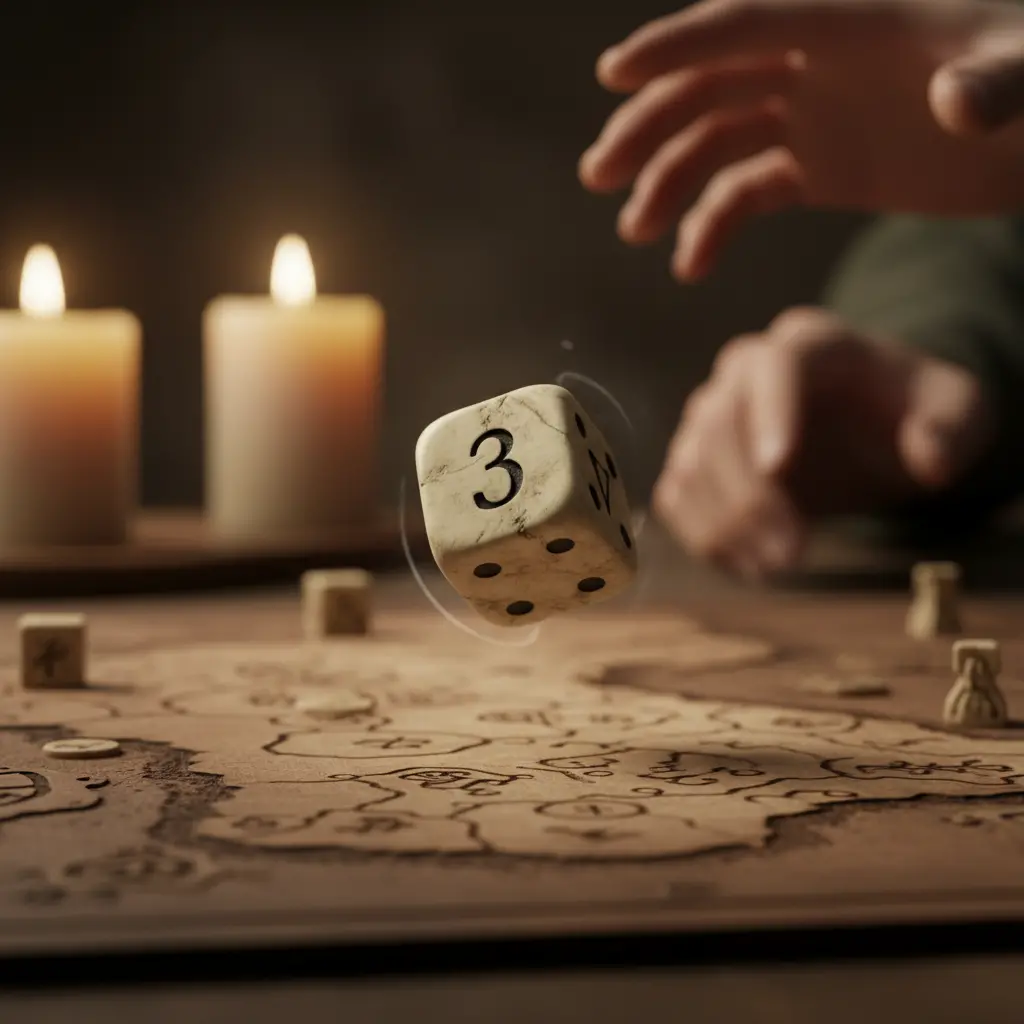
Example sentences are the start of understanding. Don't rush to memorize. First feel how the word works in a sentence.
die (singular) is from Old French 'de' (a die), which comes from Latin 'datum' meaning 'that which is given'. Imagine rolling a die and seeing which number it 'gives' you, determining your next move in a game.
Note 1: These definitions and etymologies are not standard dictionary definitions, but extended explanations provided to help with memorization and understanding of the actual application of words. Through this background information, we strive to make words more vivid and easier to understand, and help you remember their meanings in real life.
Note 2: LexiTalk designs the learning flow around the linguistics principle of “Comprehensible Input.” When learners encounter material that is slightly above their level but still understandable from context, the brain naturally absorbs the language. That’s why we keep every word inside authentic contexts, using examples and associations to help you understand it and use it flexibly.
Read the FAQ explanation of Comprehensible InputI cradle a die in my palm and set it on the table. I give it a quick push, watching it change direction as it starts to roll. When it lands, I hold still for a beat and weigh what comes next. The same moment comes when I dice an onion into neat little cubes, the action will move a plain task into a small, tense choice.
Die is a small, versatile word with several uses in English. Most people know it as the singular of dice, the tiny cubes used in board games to generate random numbers. It also appears as a verb, die, meaning to stop living, which can be confusing in everyday talk. Another sense comes from the idea of taking a risk: to roll the dice, to roll the die, and hope for a favorable outcome. In cooking, die is a technical term for cutting food into cube-shaped pieces, though many cooks simply say dice. Understanding these senses helps avoid mistakes when you hear or see die in writing.
Learners tracking die must separate multiple English lives: board-game dice vs mortal death vs culinary cube; many mistakes come from seeing die as only a death verb or confusing singular/plural with dice.
What is the meaning of the word 'dice'?
Which of the following is a correct usage of the word 'dice'?
What is a synonym for 'dice'?
What is an antonym for 'dice'?
In what real-life context would you use the word 'dice'?
Download LexiTalk app for personalized learning experience
Download AppCookies
We use cookies for essential site functions, analytics, and ads. You can accept, reject, or manage preferences. Privacy Policy