elephants - Master This Word
Master this word with our 5-step learning method – Learn English in English
Train English Through Brain Routes, Not Translation.
This page helps you stop memorizing isolated translations and start understanding a word through its shared mental image, native-style thinking, and practical training steps.
Master this word with our 5-step learning method – Learn English in English
Example sentences are the start of understanding. Don't rush to memorize. First feel how the word works in a sentence.
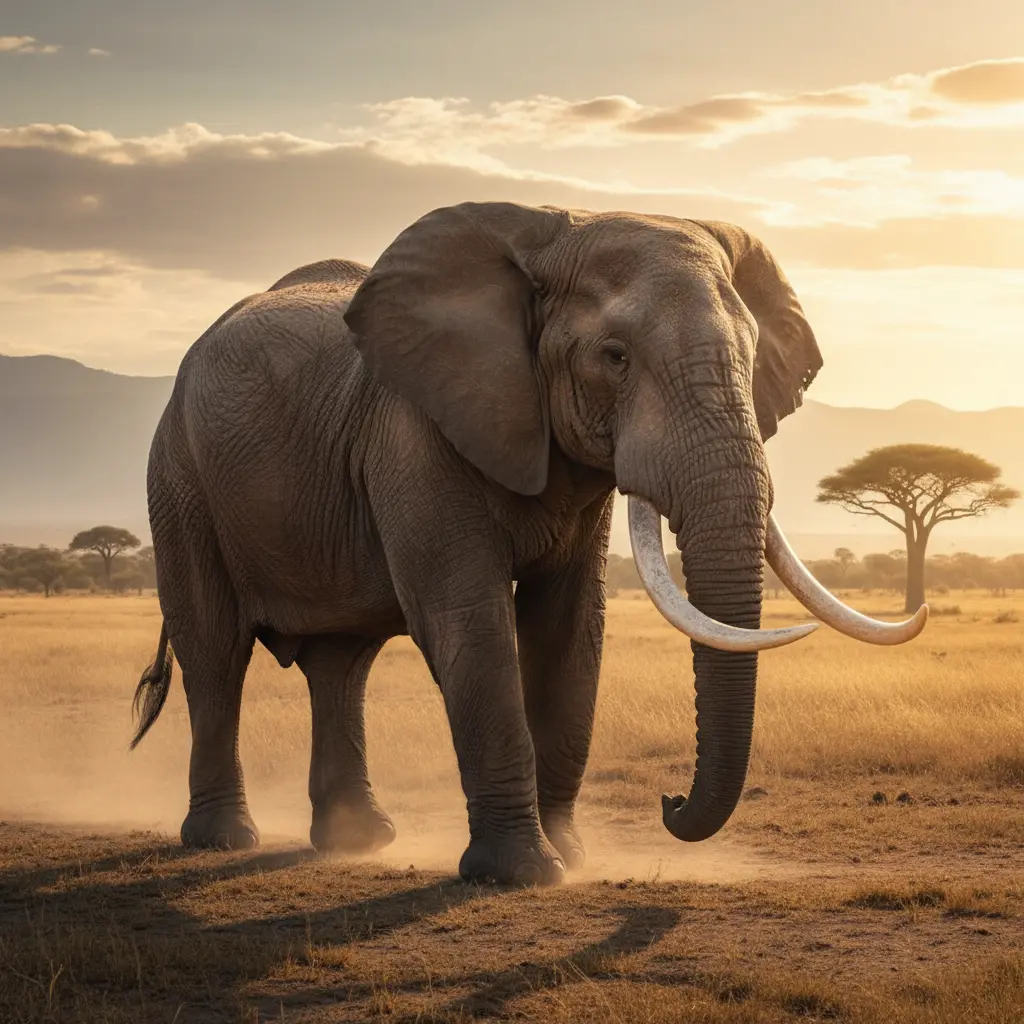
Greek 'elephas' = ivory + -ant (suffix for a quality or agent). Originated from Greek → Latin → Old French → English. Imagine a majestic elephant walking gracefully, showcasing its big ivory tusks in the sunlight, a powerful symbol of nature.
Note 1: These definitions and etymologies are not standard dictionary definitions, but extended explanations provided to help with memorization and understanding of the actual application of words. Through this background information, we strive to make words more vivid and easier to understand, and help you remember their meanings in real life.
Note 2: LexiTalk designs the learning flow around the linguistics principle of “Comprehensible Input.” When learners encounter material that is slightly above their level but still understandable from context, the brain naturally absorbs the language. That’s why we keep every word inside authentic contexts, using examples and associations to help you understand it and use it flexibly.
Read the FAQ explanation of Comprehensible InputI start by settling my breath and picturing an elephant in the mind's eye. I move my hand to sketch a rough shape in the air, watching the trunk curve and the ears flutter as I shift my focus. I adjust my pace, feeling the weight and the quiet power, like a reminder to give space. The scene unfolds not as a rule, but as a feel for how to hold, turn, and place attention on something large and patient.
Elephant is a noun referring to a large gray mammal with a trunk, tusks, and strong social intelligence. In everyday English, elephants symbolize wisdom and memory, appearing in fables, literature, and popular culture. The word also gathers metaphorical meaning, such as describing a significant, usually ignored problem—the elephant in the room. Learners should distinguish literal animal references from figurative uses and note common collocations like elephant herd, elephant tusks, and elephant memory, as well as phrases such as ivory trade when contexts shift to conservation topics. This word provides opportunities to discuss wildlife, ecology, and cultural symbolism across regions where elephants live.
Explain to an English speaker (meta, keep short)
Download LexiTalk app for personalized learning experience
Download AppCookies
We use cookies for essential site functions, analytics, and ads. You can accept, reject, or manage preferences. Privacy Policy