empathy - Master This Word
Master this word with our 5-step learning method – Learn English in English
Train English Through Brain Routes, Not Translation.
This page helps you stop memorizing isolated translations and start understanding a word through its shared mental image, native-style thinking, and practical training steps.
Master this word with our 5-step learning method – Learn English in English
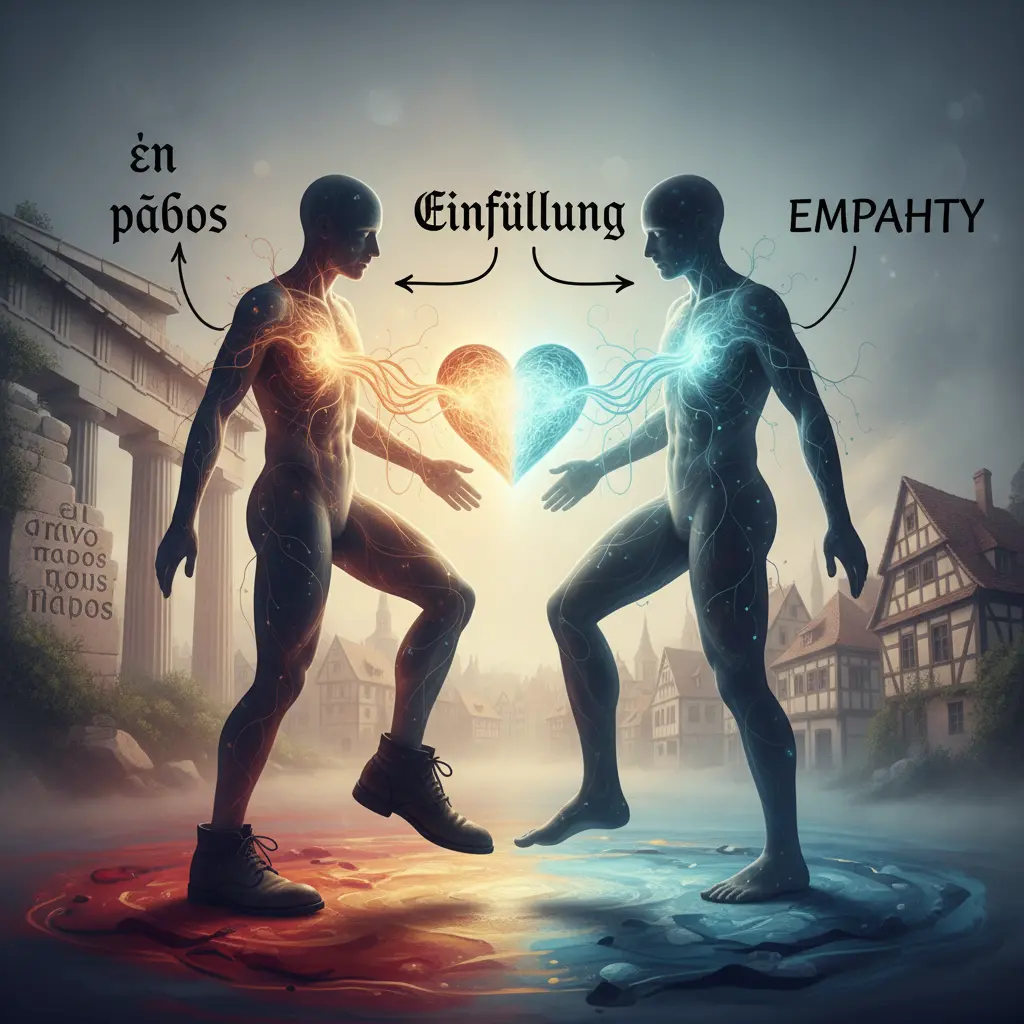
Example sentences are the start of understanding. Don't rush to memorize. First feel how the word works in a sentence.
empathy is derived from 'em-' meaning 'in' + 'pathos' meaning 'feeling'. It originated from Greek, passed through German in the late 19th century into English. Imagine someone stepping into another's shoes and feeling their joy or pain deeply, as if their heart is connected.
Note 1: These definitions and etymologies are not standard dictionary definitions, but extended explanations provided to help with memorization and understanding of the actual application of words. Through this background information, we strive to make words more vivid and easier to understand, and help you remember their meanings in real life.
Note 2: LexiTalk designs the learning flow around the linguistics principle of “Comprehensible Input.” When learners encounter material that is slightly above their level but still understandable from context, the brain naturally absorbs the language. That’s why we keep every word inside authentic contexts, using examples and associations to help you understand it and use it flexibly.
Read the FAQ explanation of Comprehensible InputEmpathy is the ability to understand and share the feelings of another person, and it goes beyond simply feeling sorry for someone. It involves both cognitive and emotional components: recognizing another’s emotional state, and emotionally resonating with it to a degree. People can show empathy by listening closely, asking thoughtful questions, and imagining themselves in the other person’s shoes, without judging or trying to fix everything immediately. In daily life and in professional contexts, empathy helps build trust, reduce conflict, and support others effectively. While sympathy expresses concern, empathy seeks to feel with someone and honor their experience.
In English, empathy is often framed as understanding and sharing feelings; learners may confuse it with sympathy or think it requires agreement with the other person.
What is the meaning of 'empathy'?
Which sentence uses 'empathy' correctly?
What is a synonym for 'empathy'?
What is an antonym for 'empathy'?
How can you show empathy in real-life situations?
Download LexiTalk app for personalized learning experience
Download AppCookies
We use cookies for essential site functions, analytics, and ads. You can accept, reject, or manage preferences. Privacy Policy