fabrics - Master This Word
Master this word with our 5-step learning method – Learn English in English
Train English Through Brain Routes, Not Translation.
This page helps you stop memorizing isolated translations and start understanding a word through its shared mental image, native-style thinking, and practical training steps.
Master this word with our 5-step learning method – Learn English in English
Example sentences are the start of understanding. Don't rush to memorize. First feel how the word works in a sentence.
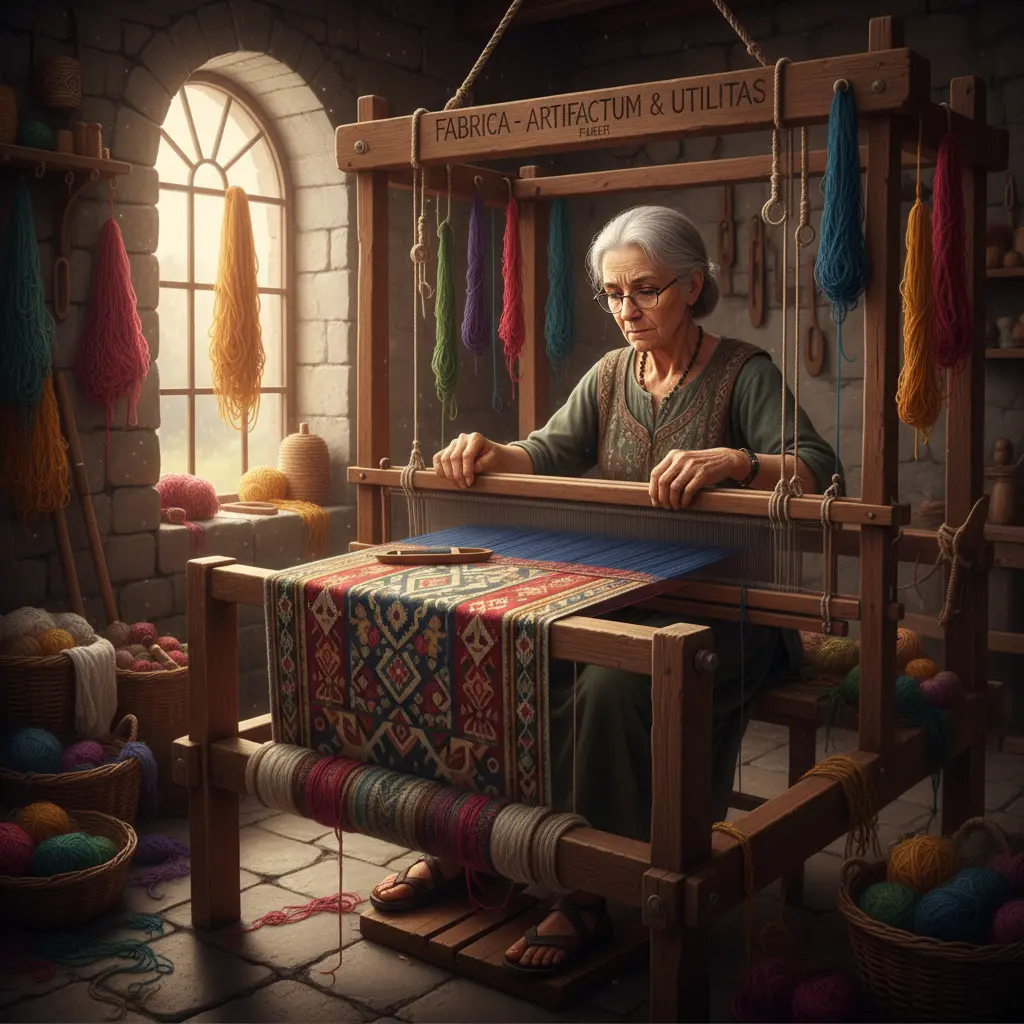
The word 'fabric' comes from Latin 'fabrica' (workshop) from 'faber' (artisan, craftsman). Picture a skilled artisan weaving threads into beautiful fabric, each thread carefully placed, representing the artistry involved in creating something durable and useful. The extension of 'fabric' to mean the essential quality of something reflects the idea that just as fabric forms the basis of clothing, so too does the 'fabric' of society shape human relationships.
Note 1: These definitions and etymologies are not standard dictionary definitions, but extended explanations provided to help with memorization and understanding of the actual application of words. Through this background information, we strive to make words more vivid and easier to understand, and help you remember their meanings in real life.
Note 2: LexiTalk designs the learning flow around the linguistics principle of “Comprehensible Input.” When learners encounter material that is slightly above their level but still understandable from context, the brain naturally absorbs the language. That’s why we keep every word inside authentic contexts, using examples and associations to help you understand it and use it flexibly.
Read the FAQ explanation of Comprehensible InputI set a piece of fabric on the table and move my fingers over it. The texture greets my skin, and the weave seems to answer with weight, shine, and a quiet rhythm. I adjust my grip, letting the cloth settle and glide under my touch. From this simple texture I start imagining everyday uses, how a shirt, a bag, or a curtain might live with it, and the fabric's character reveals itself through feeling rather than words.
Fabric is a versatile word in English. It can mean the woven material used to make clothes, as in cotton fabric or silk fabric, and it can describe the underlying structure or character of something, as in the fabric of society. The term also carries a sense of texture and weave that you feel and see. Its origin is Latin fabrica, meaning workshop, which hints at how skilled work turns fibers into durable material. When teaching, note that fabric can be literal or metaphorical, and that fabric and cloth are related but not always interchangeable depending on context.
English tends to use fabric both concretely and metaphorically, so learners must note subtle distinctions between material sense and abstract sense (e. g., fabric vs. structure).
Download LexiTalk app for personalized learning experience
Download AppCookies
We use cookies for essential site functions, analytics, and ads. You can accept, reject, or manage preferences. Privacy Policy