flood - Master This Word
Master this word with our 5-step learning method – Learn English in English
Train English Through Brain Routes, Not Translation.
This page helps you stop memorizing isolated translations and start understanding a word through its shared mental image, native-style thinking, and practical training steps.
Master this word with our 5-step learning method – Learn English in English
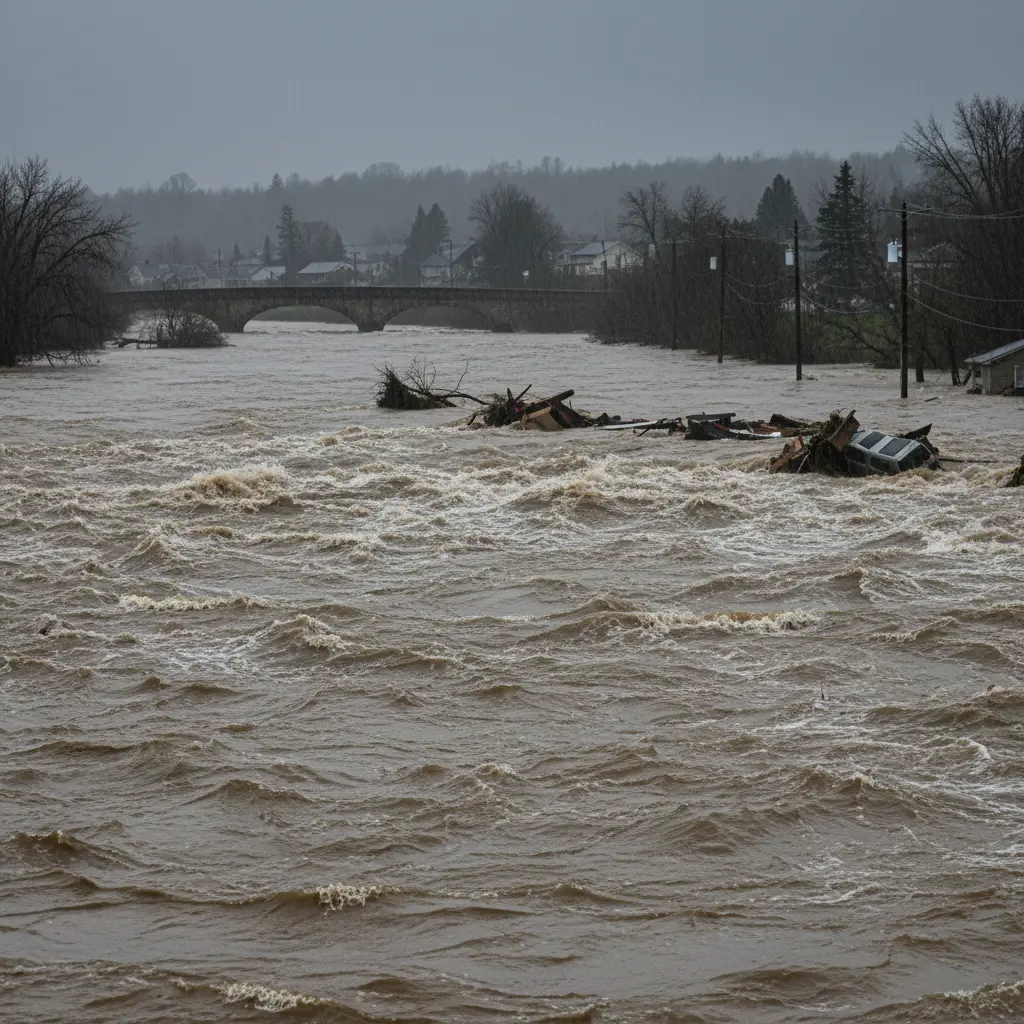
Example sentences are the start of understanding. Don't rush to memorize. First feel how the word works in a sentence.
Flood: from 'flood', related to Old English 'flōd' meaning 'flow' (a surge of water). Picture a roaring river overflowing its banks, sweeping everything along in a powerful rush.
Note 1: These definitions and etymologies are not standard dictionary definitions, but extended explanations provided to help with memorization and understanding of the actual application of words. Through this background information, we strive to make words more vivid and easier to understand, and help you remember their meanings in real life.
Note 2: LexiTalk designs the learning flow around the linguistics principle of “Comprehensible Input.” When learners encounter material that is slightly above their level but still understandable from context, the brain naturally absorbs the language. That’s why we keep every word inside authentic contexts, using examples and associations to help you understand it and use it flexibly.
Read the FAQ explanation of Comprehensible InputI push the door open and feel the rain pressing in, water already edging past the threshold. I shift a bucket along the floor and pull a plank over to slow the surge, bracing with both hands. My body tenses as the room changes from calm to crowded with liquid, and I adjust my stance to keep control. The scene reveals flood not as a dictionary fact but as a rush—water or things piling up in a sudden, overwhelming flow.
Flood is a versatile word in English with two main senses. Noun: an overflow of water that covers land, usually after heavy rain or rapid snowmelt; Verb: to inundate with water or to overwhelm with a large amount of something. The etymology traces to Old English flōd, meaning 'flow', a surge of water. Picture a roaring river spilling over its banks and sweeping objects along in a powerful rush. In use, you can discuss flood risks and flood warnings, or describe a figurative flood of input—emails, questions, or ideas. Words like floodplain, floodgate, and floodwaters appear in geography and infrastructure contexts.
English tends to separate literal disaster from abstract overload, so learners must distinguish flood as a physical event vs. a metaphorical flood of items. Prepositions with flood (with/of) are common stumbling blocks.
What is the meaning of 'flood'?
Which of the following sentences uses 'flood' correctly?
What is a synonym for 'flood'?
What is an opposite of 'flood'?
In what real-life context would you most likely encounter a 'flood'?
Download LexiTalk app for personalized learning experience
Download AppCookies
We use cookies for essential site functions, analytics, and ads. You can accept, reject, or manage preferences. Privacy Policy