LexiTalk LexiTalk

Train English Through Brain Routes, Not Translation.

This page helps you stop memorizing isolated translations and start understanding a word through its shared mental image, native-style thinking, and practical training steps.

🎙️ Daily Listening📚 Example Sentences & Scenarios🧠 Vocabulary Learning

fresh - Master This Word

Master this word with our 5-step learning method – Learn English in English
fresh Word Meanings

  • newly made or obtained
  • not stale or spoiled
  • recently arrived or occurring
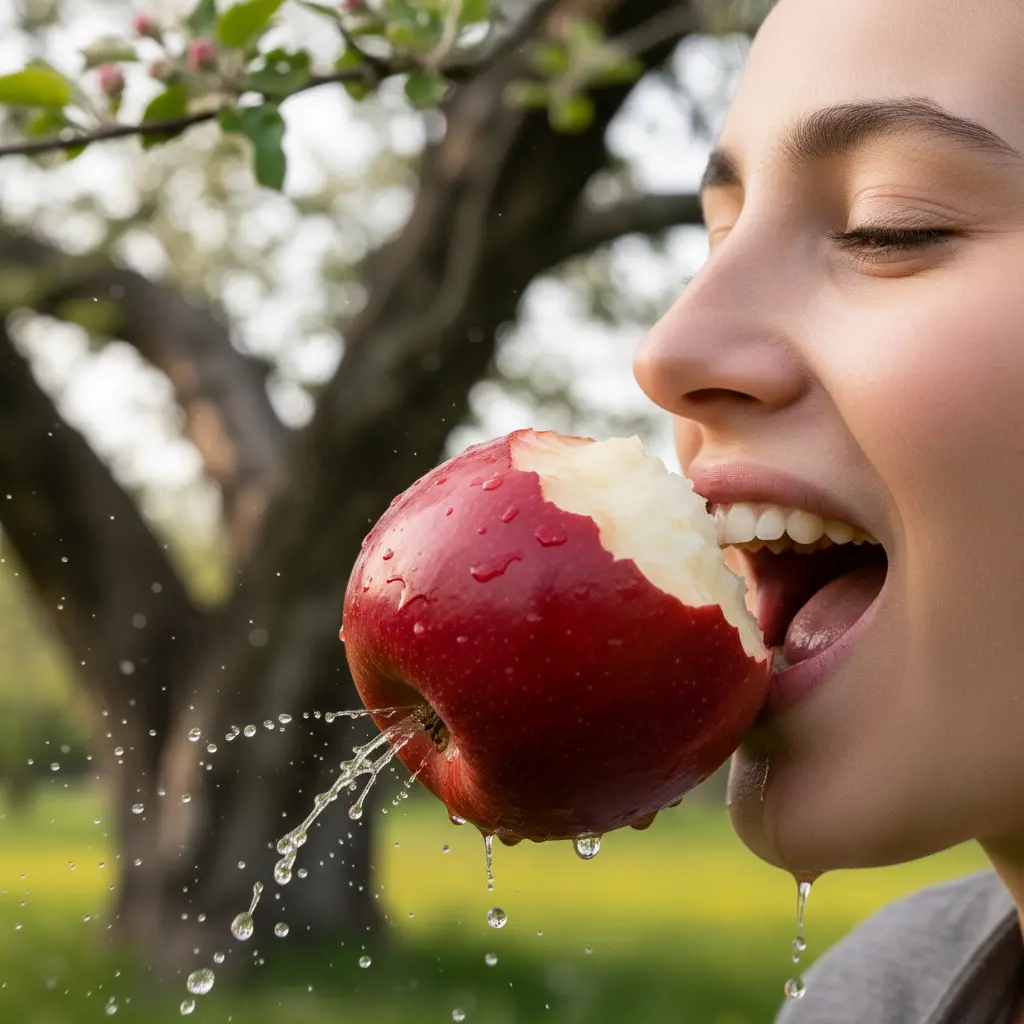
Illustration for this word

fresh Example Sentences

Example sentences are the start of understanding. Don't rush to memorize. First feel how the word works in a sentence.

fresh Phonetic & Pronunciation

Pronunciation
UK /frɛʃ/
US /frɛʃ/
Syllables
fresh

fresh Word Etymology

Root: fresh (related to the concept of 'revival'). Historical origin: Old English fresc → Old Norse ferskr → Middle English fresh. Memory image: Imagine biting into a crisp apple, the refreshing juice spilling out, bringing a new taste to your senses.

Note 1: These definitions and etymologies are not standard dictionary definitions, but extended explanations provided to help with memorization and understanding of the actual application of words. Through this background information, we strive to make words more vivid and easier to understand, and help you remember their meanings in real life.

Note 2: LexiTalk designs the learning flow around the linguistics principle of “Comprehensible Input.” When learners encounter material that is slightly above their level but still understandable from context, the brain naturally absorbs the language. That’s why we keep every word inside authentic contexts, using examples and associations to help you understand it and use it flexibly.

Read the FAQ explanation of Comprehensible Input

English Brain Route

First I pull a fresh loaf from the bag and hold it up to the light. I tilt and adjust my grip, move it a bit to feel its firmness. The scent rises and the crust gives a clean crack, as if something just arrived in my kitchen. I set it on the board and keep the moment warm, letting the idea of fresh settle into the day.

Real Context

Fresh describes something newly made or obtained, not stale, and something that has arrived recently or is occurring now. It can apply to food, objects, ideas, or events, signaling immediacy and viability. You can say fresh bread, fresh information, a fresh start, or fresh off the press. The sense often implies good condition and readiness for use, rather than just being young. Learners sometimes confuse fresh with recently or new, but freshness carries a nuance of current state and immediacy, not merely age. Common collocations include fresh air, fresh fruit, fresh look, fresh coffee, and fresh out of the oven.

Usage Reminders

  • Know the three core senses: newly made or obtained, not stale or spoiled, and recently arrived or occurring. Use with food, objects, ideas, and events. Watch for collocations like fresh air, fresh fruit, fresh start. Don’t assume fresh always means brand new in age. Pair with verbs like feel, smell, taste to emphasize immediacy. Avoid overusing fresh with topics where latest or newest fits better. Practice both countable and uncountable uses. Consider country-specific collocations in cooking and media.

Common Misconceptions

  • Fresh always means brand new in age
  • Fresh and recently are interchangeable in all contexts
  • Fresh foods must be freshly bought every time
  • Fresh cannot describe information or ideas
  • Fresh is only used outdoors or in cooking

Thinking Differences

Explain to an English speaker: fresh often signals immediacy and usable condition, not just youth or age.

Learning Tips

  • Learn the three core senses: newly made/obtained, not spoiled, recently arrived or occurring.
  • Practice with foods, objects, ideas, and events.
  • Remember common collocations: fresh air, fresh fruit, fresh start.
  • Differentiate from recent or latest by checking whether immediacy or usability is implied.
  • Use fresh with senses of smell, taste, and feel to emphasize immediacy.
  • Read and listen to native examples to memorize natural pairings.

5-Step Learning Method - Learn English in English

Step 1: Meaning

What is the meaning of the word 'fresh'?

A.Tired
B.New
C.Old
D.Sad
Step 2: Usage

Which sentence uses the word 'fresh' correctly?

A.I prefer eating fresh vegetables every week.
B.I like to eat fresh ice cream in the winter.
C.I hate the taste of fresh food.
D.Fresh air always makes me feel tired.
Step 3: Similar Words

Which word is most similar to 'fresh'?

A.Warm
B.Stale
C.Rotten
D.Salty
Step 4: Opposite Words

What is the opposite of 'fresh'?

A.Spoiled
B.Wilted
C.Crisp
D.Fragrant
Step 5: Mastery

Can you give an example of a real-life scenario of 'fresh'?

A.The fresh scent of flowers in bloom signals the arrival of spring.
B.Fresh ideas are always welcomed in a brainstorming session.
C.I love the feeling of a fresh start in a new year.
D.I always try to keep my mind fresh by learning new things.

Related Listening

🌱 Lite (Beginner)

🌱 Lite
Seafood at the Supermarket

At the Supermarket

2026.04.15 · 0:34 · A1 · Dialogue
Listen Now
🌱 Lite
Friendly Restaurant Order

Restaurant Order

2026.04.05 · 0:32 · A1 · Dialogue
Listen Now
🌱 Lite
Phone Order for Bread and Cookies

Simple Phone Call

2026.04.03 · 0:38 · A2 · Dialogue
Listen Now

🔥 Advanced

🔥 Advanced
Parent-Teacher Talk about a Community Project

Parenting & Education

2026.05.13 · 1:27 · B2 · IELTS · Dialogue
Listen Now
🔥 Advanced
Ordering at a Neighbourhood Restaurant

Restaurant Ordering

2026.03.04 · 1:25 · A2 · IELTS · Dialogue
Listen Now
🔥 Advanced
Border Interview: Visiting a Relative

Immigration & Customs

2026.01.22 · 1:51 · B2 · IELTS · Dialogue
Listen Now

Want to practice more words?

Download LexiTalk app for personalized learning experience

Download App

Cookies

We use cookies for essential site functions, analytics, and ads. You can accept, reject, or manage preferences. Privacy Policy


Support