
funeral - Master This Word
Master this word with our 5-step learning method – Learn English in English
Train English Through Brain Routes, Not Translation.
This page helps you stop memorizing isolated translations and start understanding a word through its shared mental image, native-style thinking, and practical training steps.
Master this word with our 5-step learning method – Learn English in English
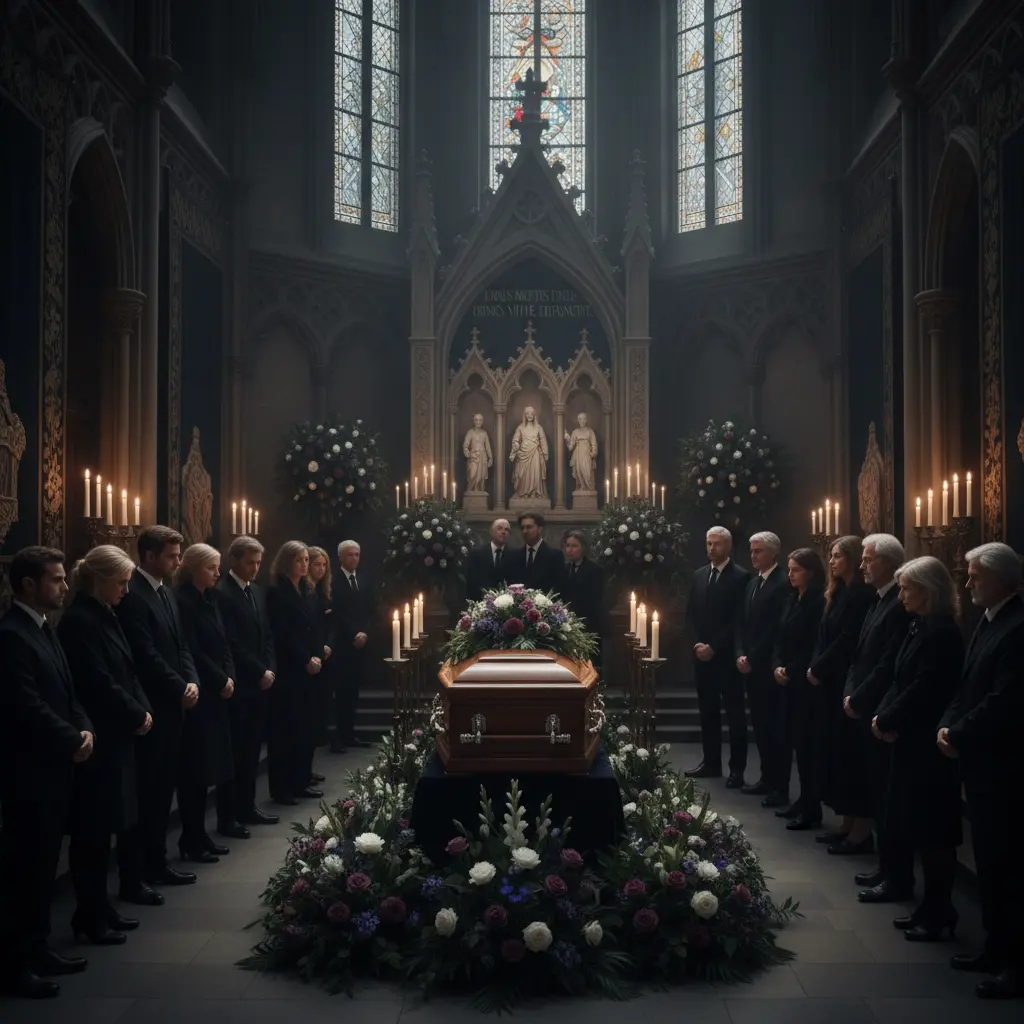
Example sentences are the start of understanding. Don't rush to memorize. First feel how the word works in a sentence.
funeral = funus (Latin, meaning 'corpse') + -al (related to). Origin: Latin → Old French → English. Imagine a dark, solemn gathering with a casket, reminding us that a life has ended, honoring the deceased.
Note 1: These definitions and etymologies are not standard dictionary definitions, but extended explanations provided to help with memorization and understanding of the actual application of words. Through this background information, we strive to make words more vivid and easier to understand, and help you remember their meanings in real life.
Note 2: LexiTalk designs the learning flow around the linguistics principle of “Comprehensible Input.” When learners encounter material that is slightly above their level but still understandable from context, the brain naturally absorbs the language. That’s why we keep every word inside authentic contexts, using examples and associations to help you understand it and use it flexibly.
Read the FAQ explanation of Comprehensible InputI move slowly toward the front, keeping my hands steady at my sides. I place a single flower on the casket and feel the weight of the moment settle in my arms. I pull a long breath and keep it there as the room falls quiet. The scene shifts from ordinary space to a realm of loss, and in that shift I sense how people come together to honor someone who has died.
Funeral is a ceremony held to honor someone who has died, often including prayers, readings, and a formal procession. It may be followed by burial or cremation. In many cultures, the funeral marks the end of a life and offers friends and family a chance to grieve, reflect, and share memories. The word itself comes from Latin funus plus -al, and the event can vary from country to country in length and formality. Some traditions emphasize public mourning, while others focus on private family rituals. Learners should note that 'funeral' refers to the event, not the act of burial (which is 'burial' or 'interment') and not the person who has died (that is 'the deceased').
English often uses funeral to refer to the ceremony itself, with clear partners like burial for the act of burying and the deceased for the person. Learners may confuse funeral with memorials or wakes, and may overgeneralize religious associations.
What is the meaning of the word 'funeral'?
How is the word 'funeral' used in a sentence?
Which word is similar to 'funeral'?
Which word is the opposite of 'funeral'?
In what real-life context would you be likely to hear the word 'funeral'?
Download LexiTalk app for personalized learning experience
Download AppCookies
We use cookies for essential site functions, analytics, and ads. You can accept, reject, or manage preferences. Privacy Policy