furry - Master This Word
Master this word with our 5-step learning method – Learn English in English
Train English Through Brain Routes, Not Translation.
This page helps you stop memorizing isolated translations and start understanding a word through its shared mental image, native-style thinking, and practical training steps.
Master this word with our 5-step learning method – Learn English in English
Example sentences are the start of understanding. Don't rush to memorize. First feel how the word works in a sentence.
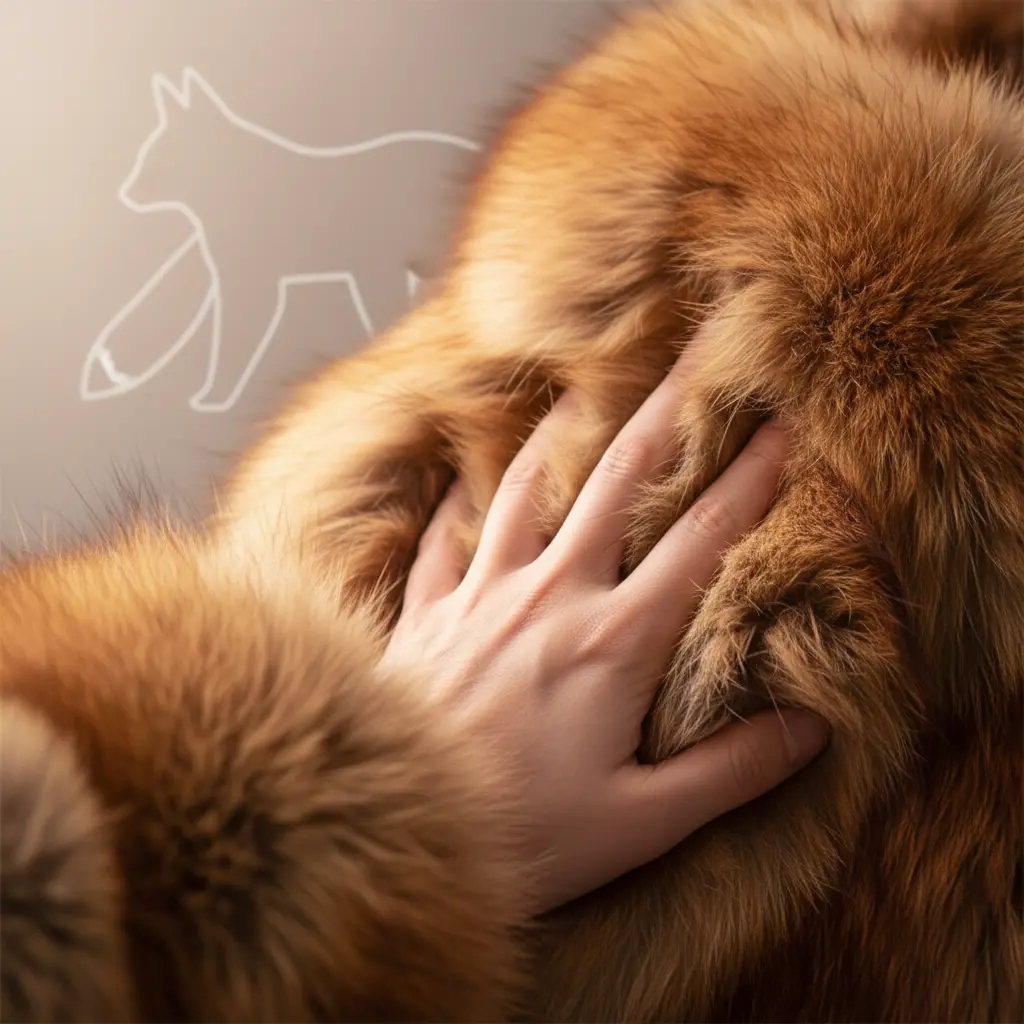
From Old English 'fūre', related to Proto-Germanic 'furiz'. Memory image: imagine stroking a soft fur coat, feeling its warmth and softness against your skin, connecting to the animal's protective covering.
Note 1: These definitions and etymologies are not standard dictionary definitions, but extended explanations provided to help with memorization and understanding of the actual application of words. Through this background information, we strive to make words more vivid and easier to understand, and help you remember their meanings in real life.
Note 2: LexiTalk designs the learning flow around the linguistics principle of “Comprehensible Input.” When learners encounter material that is slightly above their level but still understandable from context, the brain naturally absorbs the language. That’s why we keep every word inside authentic contexts, using examples and associations to help you understand it and use it flexibly.
Read the FAQ explanation of Comprehensible InputI slide my fingers through a patch of fur, feeling the tiny hairs rise under my touch. I move from light strokes to a firmer hold, changing the pressure as warmth gathers under my palm. The push and pull of touch makes the moment real, and I sense how fur can wrap a body in softness when the air grows cold.
Fur is the thick, soft hair that covers many mammals. In everyday English, fur can refer to the natural coat of an animal or, more commonly, to garments made from animal pelts such as fur coats or hats. People also talk about shedding fur, which is when an animal loses loose hairs. The term can be used in phrases like 'furry friend' or 'fur coat', and it contrasts with hair in human contexts, where we usually say hair. Fur has associations with warmth, texture, and fashion, but it also raises ethical questions about animal welfare and sourcing. When talking about fur in fashion contexts, be mindful of tone and audience.
Think of fur as a natural hair coating on animals; in English we also use it for fashion items, which can confuse learners about whether 'fur' is hair or a material.
Download LexiTalk app for personalized learning experience
Download AppCookies
We use cookies for essential site functions, analytics, and ads. You can accept, reject, or manage preferences. Privacy Policy