ghosts - Master This Word
Master this word with our 5-step learning method – Learn English in English
Train English Through Brain Routes, Not Translation.
This page helps you stop memorizing isolated translations and start understanding a word through its shared mental image, native-style thinking, and practical training steps.
Master this word with our 5-step learning method – Learn English in English
Example sentences are the start of understanding. Don't rush to memorize. First feel how the word works in a sentence.
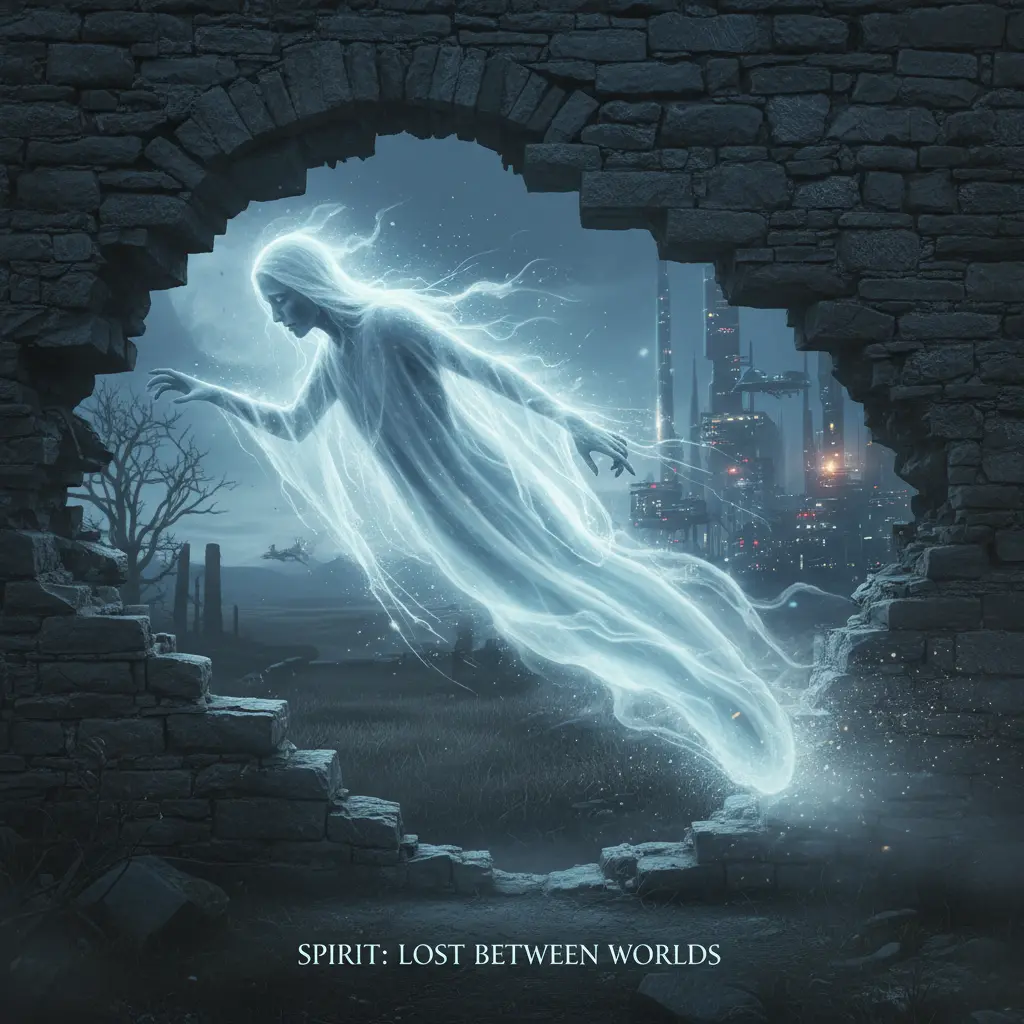
ghost = ‘spirit’ (from Old English 'gāst', related to Proto-Germanic *gaistaz). Originated from Germanic languages, reaching English through Middle English. Imagine a semi-transparent figure floating through walls, representing a soul lost between worlds.
Note 1: These definitions and etymologies are not standard dictionary definitions, but extended explanations provided to help with memorization and understanding of the actual application of words. Through this background information, we strive to make words more vivid and easier to understand, and help you remember their meanings in real life.
Note 2: LexiTalk designs the learning flow around the linguistics principle of “Comprehensible Input.” When learners encounter material that is slightly above their level but still understandable from context, the brain naturally absorbs the language. That’s why we keep every word inside authentic contexts, using examples and associations to help you understand it and use it flexibly.
Read the FAQ explanation of Comprehensible InputI step into a quiet room and pull the door shut, feeling the air cool a little as a shadow slides along the wall. I shift my gaze and let the room push back with silence, sensing a presence that feels like a ghost moving between light and dark. I change my pace, hold my breath and keep my hands steady as the thing seems to hover near the edge of sight. I place my attention on the warmth in my chest and let it drift, not explain it, but notice how it changes how I act in the dark.
Ghost is a noun that most people recognize as the spirit or soul of a dead person, but its usage goes beyond a literal entity. It can describe a shadowy presence, a lingering feeling, or something that haunts a person emotionally or mentally. In conversation you might say a house feels haunted by a ghost, or a memory lingers like a ghost of the past. Writers use the word for metaphorical echoes as well, from ghost stories to phrases like ghost town or the ghost of a rule. Culturally, ghosts appear in folklore, literature, and film, often mixing fear with mystery and unresolved history.
English speakers often treat ghost as both folklore symbol and real figure, with clear distinctions from terms like phantom or spirit; learners sometimes mix metaphoric uses with literal meanings.
What is the meaning of the word 'ghosts'?
Which sentence uses the word 'ghosts' correctly?
Which word is most similar to 'ghosts'?
What is the opposite of 'ghosts'?
Can you think of a real-life scenario that relates to 'ghosts'?
Download LexiTalk app for personalized learning experience
Download AppCookies
We use cookies for essential site functions, analytics, and ads. You can accept, reject, or manage preferences. Privacy Policy