
gills - Master This Word
Master this word with our 5-step learning method – Learn English in English
Train English Through Brain Routes, Not Translation.
This page helps you stop memorizing isolated translations and start understanding a word through its shared mental image, native-style thinking, and practical training steps.
Master this word with our 5-step learning method – Learn English in English
Example sentences are the start of understanding. Don't rush to memorize. First feel how the word works in a sentence.
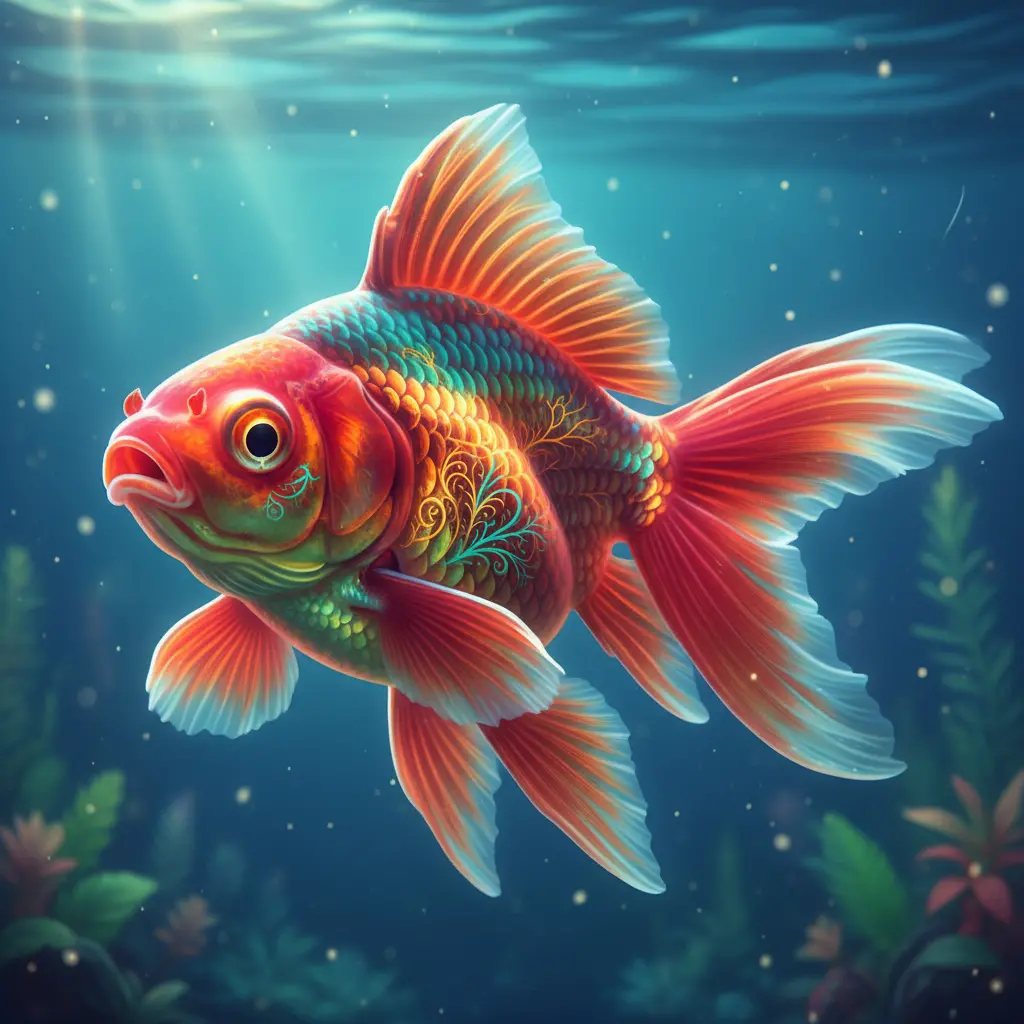
Root: gill (from Old Norse). Historical origin: Old Norse 'gildr', through Middle English. Memory image: Picture a colorful fish swimming gracefully with its vibrant gills flaring open, revealing intricate patterns.
Note 1: These definitions and etymologies are not standard dictionary definitions, but extended explanations provided to help with memorization and understanding of the actual application of words. Through this background information, we strive to make words more vivid and easier to understand, and help you remember their meanings in real life.
Note 2: LexiTalk designs the learning flow around the linguistics principle of “Comprehensible Input.” When learners encounter material that is slightly above their level but still understandable from context, the brain naturally absorbs the language. That’s why we keep every word inside authentic contexts, using examples and associations to help you understand it and use it flexibly.
Read the FAQ explanation of Comprehensible InputGill is a noun in English with three related senses. In biology, a gill is a respiratory organ used by fish and some amphibians to extract oxygen from water, typically visible as a series of delicate filaments on the side of the head. In mycology, a gill refers to the thin blade-like plates under the cap of many mushrooms, where spores are produced. The third sense points to the anatomical area called the gill of a fish where the gill arches sit, sometimes described as the gill slits. Learners often mix the mushroom sense with the fish sense or forget the plural gills, especially when speaking about multiple organisms.
In English, gill is a straightforward noun with three senses; learners tend to separate them cleanly but may overgeneralize the mushroom sense when talking about fish, or forget the plural for multiple gills.
Download LexiTalk app for personalized learning experience
Download AppCookies
We use cookies for essential site functions, analytics, and ads. You can accept, reject, or manage preferences. Privacy Policy