
hemoglobin - Master This Word
Master this word with our 5-step learning method – Learn English in English
Train English Through Brain Routes, Not Translation.
This page helps you stop memorizing isolated translations and start understanding a word through its shared mental image, native-style thinking, and practical training steps.
Master this word with our 5-step learning method – Learn English in English
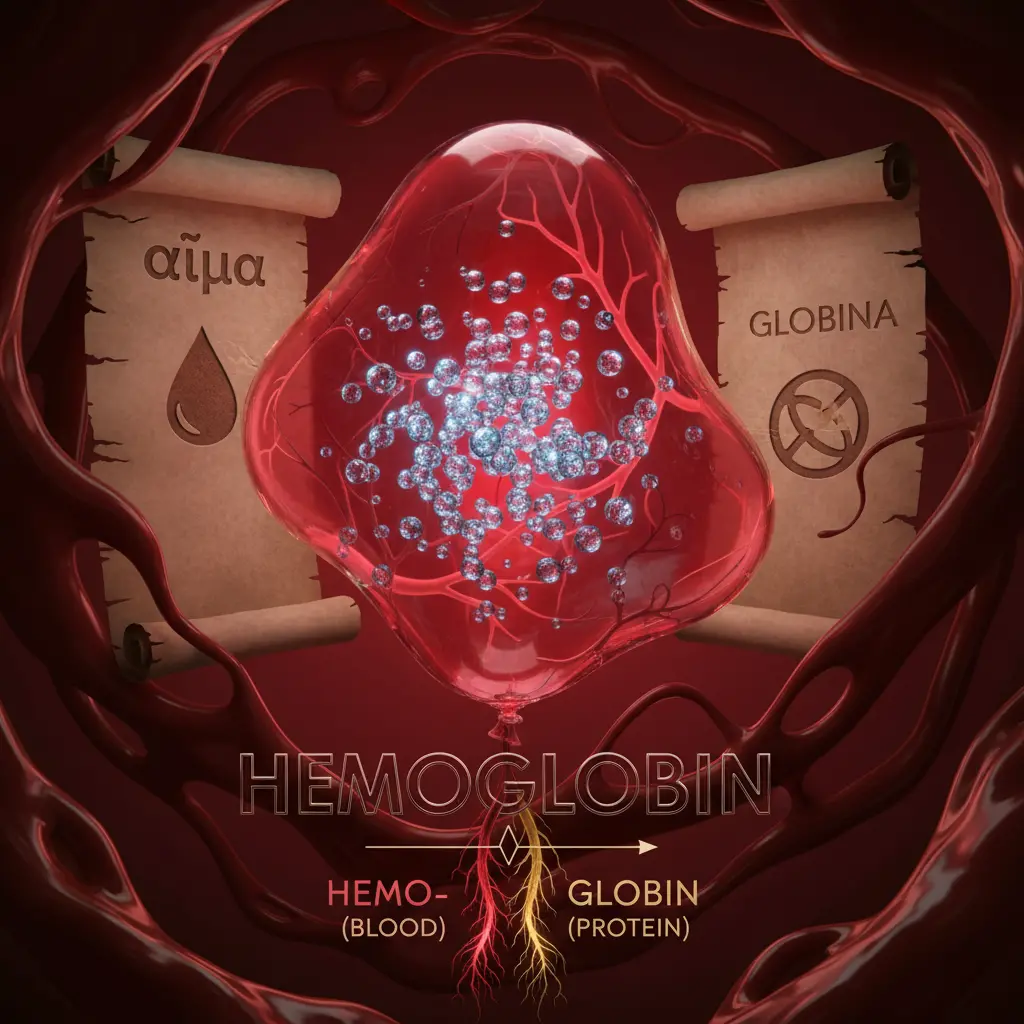
Example sentences are the start of understanding. Don't rush to memorize. First feel how the word works in a sentence.
Root decomposition: 'hemo-' (blood) + 'globin' (protein). Historical origin: from Greek 'haima' (blood), + Latin 'globina', into English. Memory image: Picture a red balloon filled with oxygen representing hemoglobin's role in transporting oxygen through blood.
Note 1: These definitions and etymologies are not standard dictionary definitions, but extended explanations provided to help with memorization and understanding of the actual application of words. Through this background information, we strive to make words more vivid and easier to understand, and help you remember their meanings in real life.
Note 2: LexiTalk designs the learning flow around the linguistics principle of “Comprehensible Input.” When learners encounter material that is slightly above their level but still understandable from context, the brain naturally absorbs the language. That’s why we keep every word inside authentic contexts, using examples and associations to help you understand it and use it flexibly.
Read the FAQ explanation of Comprehensible InputHemoglobin is a protein inside red blood cells that binds to oxygen in the lungs and releases it in tissues throughout the body. It consists of four subunits, each containing a heme group with iron that attracts oxygen. The primary job of hemoglobin is to transport oxygen from the lungs to everywhere in the body, and to carry carbon dioxide, a waste product, from tissues back to the lungs to be exhaled. Hemoglobin also helps regulate blood pH and acts as a buffer. Abnormal levels or structure of hemoglobin can indicate health problems, such as anemia or certain genetic disorders. In everyday language, people often talk about hemoglobin levels in blood tests.
English speakers think of hemoglobin as a concrete medical noun often used in labs and exams; learners may worry about plural forms or confuse Hb with related terms like hematocrit or HbA1c.
What does 'hemoglobin' mean?
Which sentence uses 'hemoglobin' correctly?
Which word is most similar to 'hemoglobin'?
What is the opposite of 'hemoglobin'?
Can you think of a real-life context where this word applies?
Download LexiTalk app for personalized learning experience
Download AppCookies
We use cookies for essential site functions, analytics, and ads. You can accept, reject, or manage preferences. Privacy Policy