humour - Master This Word
Master this word with our 5-step learning method – Learn English in English
Train English Through Brain Routes, Not Translation.
This page helps you stop memorizing isolated translations and start understanding a word through its shared mental image, native-style thinking, and practical training steps.
Master this word with our 5-step learning method – Learn English in English
Example sentences are the start of understanding. Don't rush to memorize. First feel how the word works in a sentence.
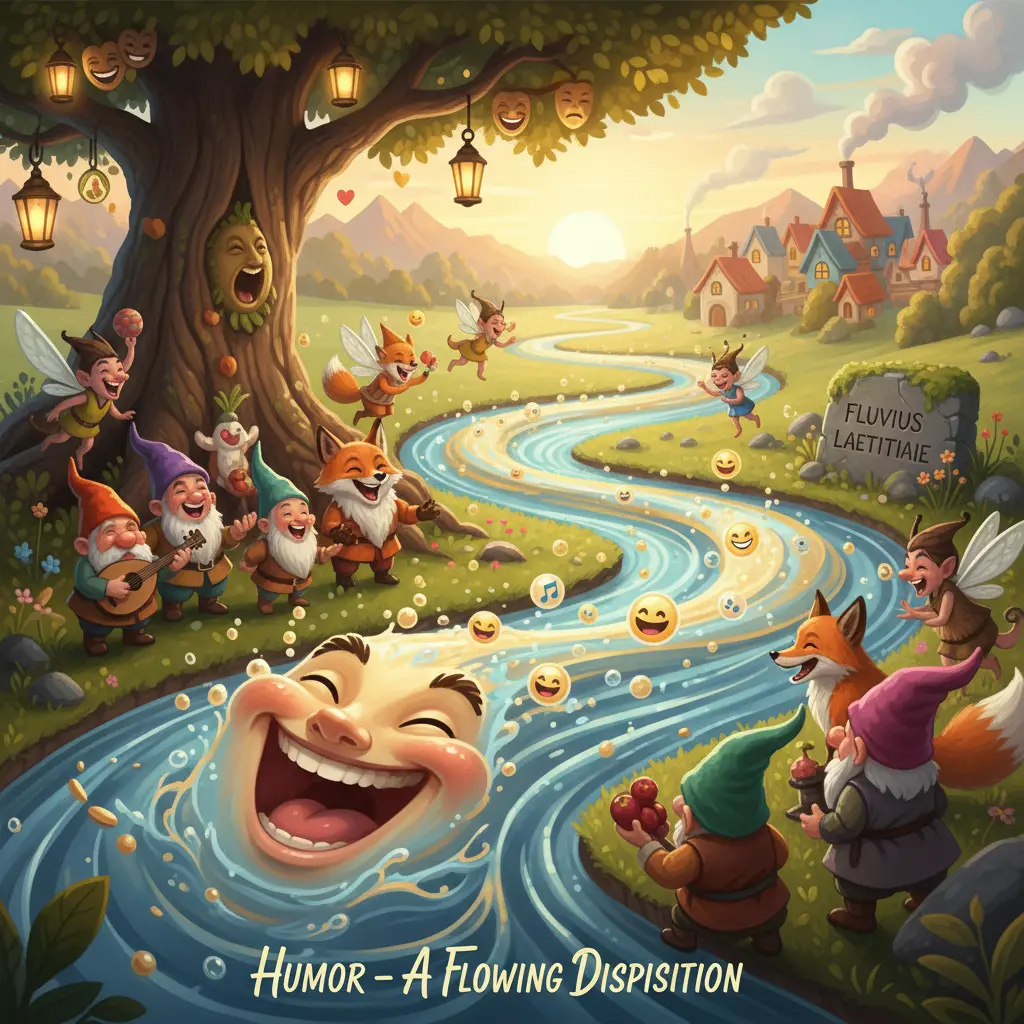
Root: 'humor' (from Latin 'umor' meaning 'liquid, fluid'); Historical origin: Latin → Old French → English; Memory image: Imagine a friendly stream that flows easily, bringing laughter and lightness wherever it goes, symbolizing the flowing nature of one's mood or disposition.
Note 1: These definitions and etymologies are not standard dictionary definitions, but extended explanations provided to help with memorization and understanding of the actual application of words. Through this background information, we strive to make words more vivid and easier to understand, and help you remember their meanings in real life.
Note 2: LexiTalk designs the learning flow around the linguistics principle of “Comprehensible Input.” When learners encounter material that is slightly above their level but still understandable from context, the brain naturally absorbs the language. That’s why we keep every word inside authentic contexts, using examples and associations to help you understand it and use it flexibly.
Read the FAQ explanation of Comprehensible InputFirst I take a breath and move my shoulders into a relaxed stance. A tiny moment at work blocks me, so I push away seriousness and let a smile rise. The mood shifts and humor grows when I choose to see the scene with a light heart, turning a stumble into something we can share. I keep that lighter tone in my mind as I tell it to a friend, and the room feels warmer.
Humour is the ability to be funny or the quality of being amusing. It can be a witty remark, a playful joke, or a clever twist that lightens a situation. It also refers to a mood or state of mind, the way a person feels and interacts in daily life. Humour helps people connect, reduce tension, and cope with awkward moments. It can be observational, self deprecating, or satirical, but the line between funny and hurtful depends on context, timing, and audience. In British English, humour is often treated as a cultural asset, while in American English humor is common; the spelling reveals regional identity.
Explain to an English speaker (meta, keep short)
What is the definition of the word 'humour'?
Choose the sentence that uses 'humour' correctly.
Which word is most similar to 'humour'?
What is the opposite of 'humour'?
Can you think of a real-life context where someone used 'humour' to lighten the mood?
Download LexiTalk app for personalized learning experience
Download AppCookies
We use cookies for essential site functions, analytics, and ads. You can accept, reject, or manage preferences. Privacy Policy