indigenous - Master This Word
Master this word with our 5-step learning method – Learn English in English
Train English Through Brain Routes, Not Translation.
This page helps you stop memorizing isolated translations and start understanding a word through its shared mental image, native-style thinking, and practical training steps.
Master this word with our 5-step learning method – Learn English in English
Example sentences are the start of understanding. Don't rush to memorize. First feel how the word works in a sentence.
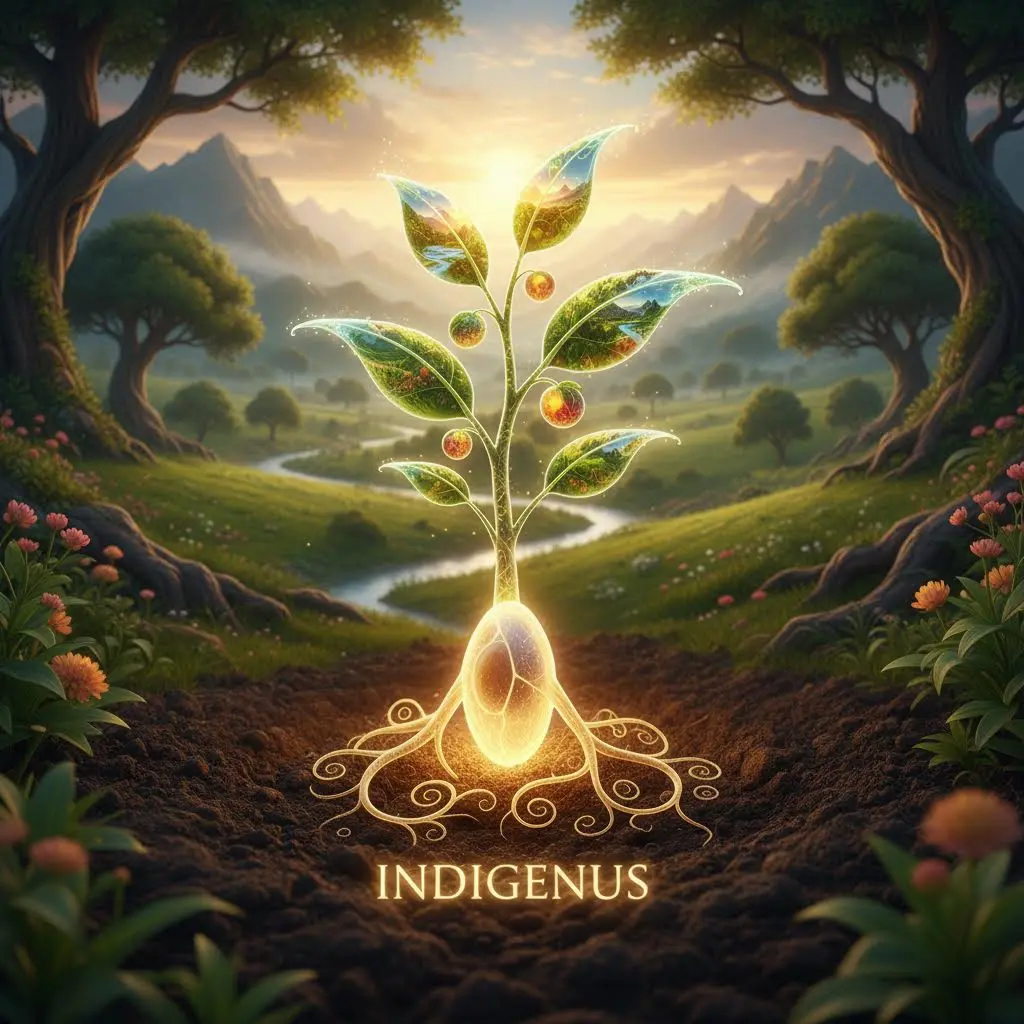
Root decomposition: Prefix in- + root indigen- + suffix -ous. Historical origin: From Latin indigenus native, born in, from in- in + gen- birth/origin; via Old French indigene to English indigenous. Memory image: Imagine a seed planted in its homeland, taking root and growing there, with leaves and fruit belonging to that land.
Note 1: These definitions and etymologies are not standard dictionary definitions, but extended explanations provided to help with memorization and understanding of the actual application of words. Through this background information, we strive to make words more vivid and easier to understand, and help you remember their meanings in real life.
Note 2: LexiTalk designs the learning flow around the linguistics principle of “Comprehensible Input.” When learners encounter material that is slightly above their level but still understandable from context, the brain naturally absorbs the language. That’s why we keep every word inside authentic contexts, using examples and associations to help you understand it and use it flexibly.
Read the FAQ explanation of Comprehensible InputI move my hand over the earth, feeling the rough texture and the tiny seeds pressed into the soil. I set my feet and listen to the wind, noticing what grows here naturally and what belongs without being asked. I adjust my attention to the rhythms of the rivers and the songs carried by the hills, the voices of people who have lived here long before me. What feels indigenous emerges not as a rule, but as a sense of belonging to a place, something native and true.
Indigenous is an adjective used to describe people, places, and knowledge that originate in a region before later arrivals or colonizing cultures. It can refer to groups who are native to a country, region, or ecosystem, often carrying distinct languages, traditions, and spiritual ties to land. In broader use, indigenous also means something that is native to or inherent in a place or thing, not introduced or borrowed. When you encounter the word, note whether the context is about people (indigenous peoples) or about nature and culture that belong to a place by origin. Awareness of respectful usage matters due to sensitive histories and rights.
For English speakers, indigenous often carries both ethnographic and political weight, leading to careful distinction between referring to people (indigenous peoples) and land or knowledge that is native to a place. Learners may default to native/local, or miss the proper plural when naming groups, which can erase diversity. Be mindful of sovereignty, rights, and respectful naming practices in readings about treaties, land claims, and cultural heritage.
What is the meaning of 'indigenous'?
Which sentence uses 'indigenous' correctly?
What is a synonym for 'indigenous'?
What is an antonym for 'indigenous'?
In what real-life context would you use the word 'indigenous'?
Download LexiTalk app for personalized learning experience
Download AppCookies
We use cookies for essential site functions, analytics, and ads. You can accept, reject, or manage preferences. Privacy Policy