
infesting - Master This Word
Master this word with our 5-step learning method – Learn English in English
Train English Through Brain Routes, Not Translation.
This page helps you stop memorizing isolated translations and start understanding a word through its shared mental image, native-style thinking, and practical training steps.
Master this word with our 5-step learning method – Learn English in English
Example sentences are the start of understanding. Don't rush to memorize. First feel how the word works in a sentence.
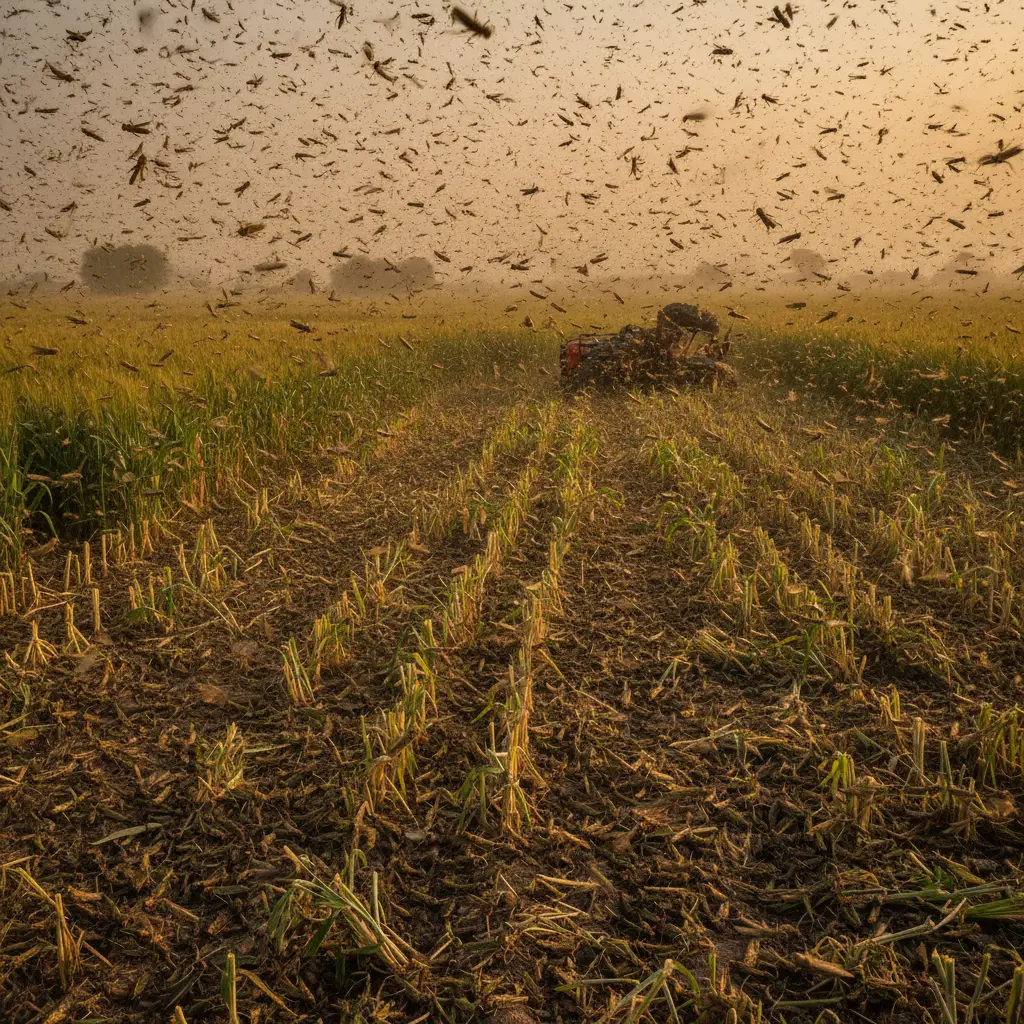
infest is composed of 'in-' meaning 'into' and 'fest' from 'festare' meaning 'to feast'. It originally referred to the consumption of resources, like pests feasting on crops. Imagine a field overrun with hungry locusts, destroying everything in their path.
Note 1: These definitions and etymologies are not standard dictionary definitions, but extended explanations provided to help with memorization and understanding of the actual application of words. Through this background information, we strive to make words more vivid and easier to understand, and help you remember their meanings in real life.
Note 2: LexiTalk designs the learning flow around the linguistics principle of “Comprehensible Input.” When learners encounter material that is slightly above their level but still understandable from context, the brain naturally absorbs the language. That’s why we keep every word inside authentic contexts, using examples and associations to help you understand it and use it flexibly.
Read the FAQ explanation of Comprehensible InputInfest means to invade or be present in large numbers, especially pests or undesirable creatures, yet it can also describe a sense of being overwhelmed or occupied in a troubling way. A city can be infested with bed bugs, or a software system can be infested with glitches if a problem spreads. The verb emphasizes scale and disruption rather than singular acts. It often conveys negativity: insects, rats, ideas, or bureaucratic problems that take over a place. Historically, infesting implied resources being consumed by pests; in modern use you might hear gardeners worried about fields infested with aphids or a home infested by termites. The prefix in- suggests into, fest from festare, feast, linking to the image of resources being devoured.
Infest is common in English discourse to express a hostile, overwhelming presence; some languages may opt for verbs that imply spread or takeover without the aggressive connotation, leading learners to overstate or understate severity when translating.
Download LexiTalk app for personalized learning experience
Download AppCookies
We use cookies for essential site functions, analytics, and ads. You can accept, reject, or manage preferences. Privacy Policy