instruments - Master This Word
Master this word with our 5-step learning method – Learn English in English
Train English Through Brain Routes, Not Translation.
This page helps you stop memorizing isolated translations and start understanding a word through its shared mental image, native-style thinking, and practical training steps.
Master this word with our 5-step learning method – Learn English in English
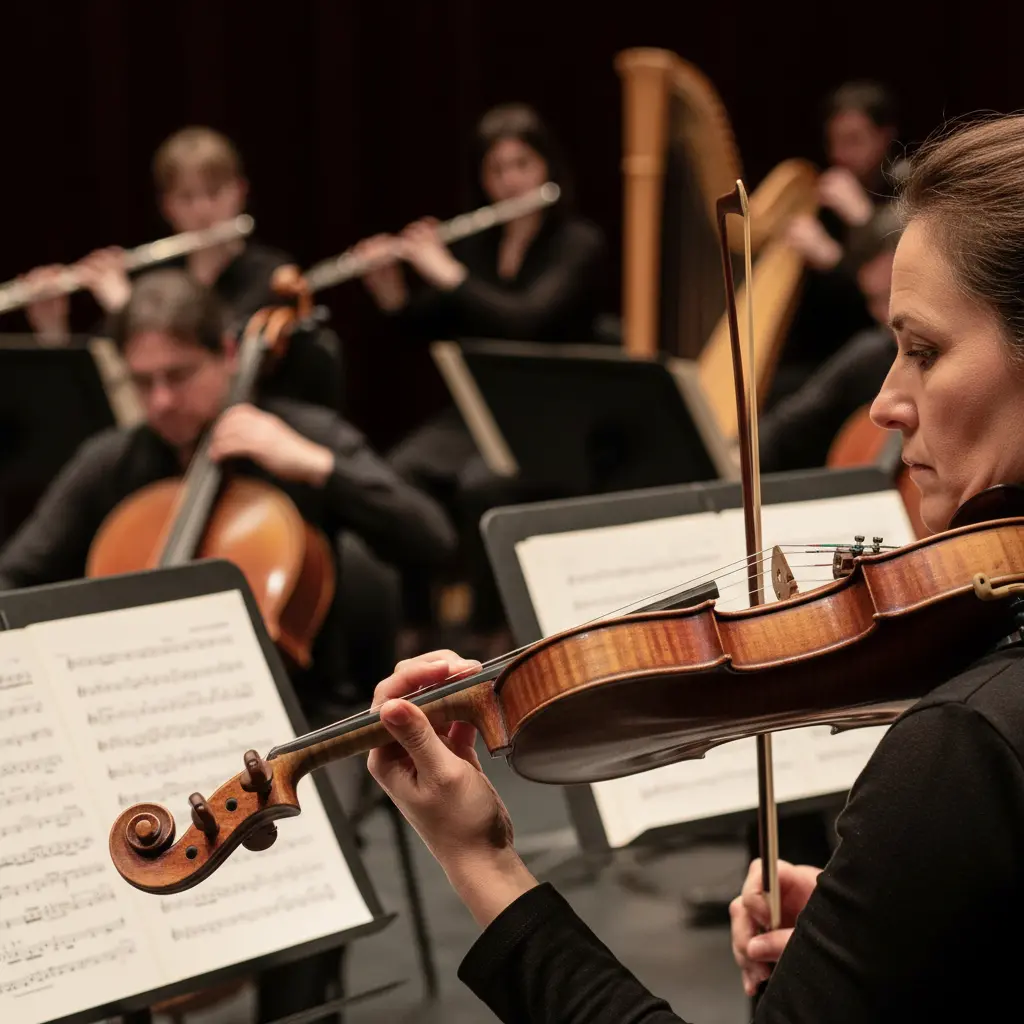
Example sentences are the start of understanding. Don't rush to memorize. First feel how the word works in a sentence.
From Latin 'instrumentum' (to set up, arrange) + Old French 'instrument' → English. Imagine a skilled musician meticulously adjusting their instrument before the performance, creating harmony and beauty.
Note 1: These definitions and etymologies are not standard dictionary definitions, but extended explanations provided to help with memorization and understanding of the actual application of words. Through this background information, we strive to make words more vivid and easier to understand, and help you remember their meanings in real life.
Note 2: LexiTalk designs the learning flow around the linguistics principle of “Comprehensible Input.” When learners encounter material that is slightly above their level but still understandable from context, the brain naturally absorbs the language. That’s why we keep every word inside authentic contexts, using examples and associations to help you understand it and use it flexibly.
Read the FAQ explanation of Comprehensible InputI lift the instrument from its case, place it against my chest, and hold still for a breath. I move my fingers, push and pull on strings, and adjust the shape of the sound as it answers. The effort feels deliberate, a tiny wrestle with habit until the notes start to turn into something clear. With each measure, the instrument becomes a doorway I can use to move a moment, to change the room's mood without shouting.
Instrument is a flexible word with three related but distinct senses. First, it refers to a tool or device used to perform tasks, such as a medical instrument or drafting instrument. Second, it means a means of achieving a goal, especially in politics, business, or science, as in an economic instrument or a policy instrument. Third, in music, instrument denotes a device that produces sound or pitch, i. e., a musical instrument. English often uses instrument to imply formal or technical connotations, whereas in everyday speech people might say tool or device for non-musical uses and instrument for formal methods. The etymology traces back to Latin instrumentum, then Old French, reinforcing its sense of setup and arrangement that makes action possible. Imagine a skilled musician meticulously adjusting their instrument before the performance, creating harmony and beauty.
English speakers often treat instrument as a formal term with three senses, but learners must watch for context. In everyday English, you might say tool for non-musical uses; instrument is common in formal discussions of policy or music.
Download LexiTalk app for personalized learning experience
Download AppCookies
We use cookies for essential site functions, analytics, and ads. You can accept, reject, or manage preferences. Privacy Policy