items - Master This Word
Master this word with our 5-step learning method – Learn English in English
Train English Through Brain Routes, Not Translation.
This page helps you stop memorizing isolated translations and start understanding a word through its shared mental image, native-style thinking, and practical training steps.
Master this word with our 5-step learning method – Learn English in English
Example sentences are the start of understanding. Don't rush to memorize. First feel how the word works in a sentence.
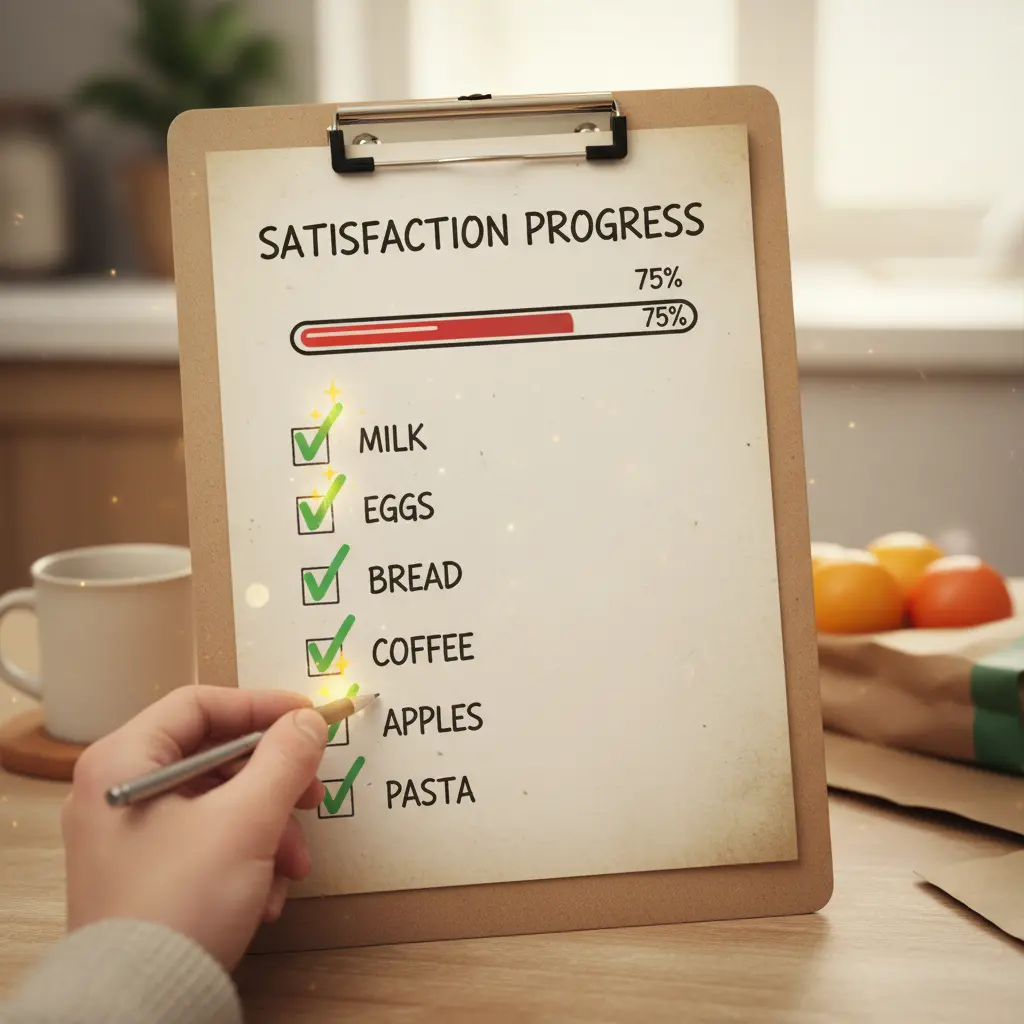
item = 'one' + -em (a suffix denoting singular items). Originated from Latin 'item', meaning 'also' or 'likewise'. Imagine a shopping list where each 'item' you check off adds to your satisfaction of completing a task.
Note 1: These definitions and etymologies are not standard dictionary definitions, but extended explanations provided to help with memorization and understanding of the actual application of words. Through this background information, we strive to make words more vivid and easier to understand, and help you remember their meanings in real life.
Note 2: LexiTalk designs the learning flow around the linguistics principle of “Comprehensible Input.” When learners encounter material that is slightly above their level but still understandable from context, the brain naturally absorbs the language. That’s why we keep every word inside authentic contexts, using examples and associations to help you understand it and use it flexibly.
Read the FAQ explanation of Comprehensible InputI reach into a box and pull out an item, then move it to my desk and turn it to feel its edges. I set it down and push aside a stray note to make space, watching how the space shifts around it. The act of keeping one object in focus while discarding others makes the moment feel practical and alive. When you work with a list or catalog, you pick an item, place it in its spot, and adjust as new bits of information appear.
An item is a single, distinct object or thing, or a unit of information, data, or news. In everyday English it refers to concrete objects you can touch, like a notebook or a chair, as well as items in a list: each line on a shopping list or to-do list is an item. The word can also mean a piece of information or a news item reported by a newspaper or broadcast. The etymology traces to Latin item meaning 'also' or 'likewise', but in modern use it simply marks a unit in a set. In many contexts, 'item' emphasizes individuality within a collection rather than quantity.
For English speakers, item often signals a single unit within a collection and is common in lists, menus, and news contexts; learners tend to over-specialize to 'thing' or misinterpret its duty in legal or technical phrases.
What is the definition of the word 'items'?
Which sentence uses the word 'items' correctly?
Which word is most similar to 'items'?
What is the opposite of 'items'?
Can you think of a real-life context where things are listed or packed?
Download LexiTalk app for personalized learning experience
Download AppCookies
We use cookies for essential site functions, analytics, and ads. You can accept, reject, or manage preferences. Privacy Policy