
jazz - Master This Word
Master this word with our 5-step learning method – Learn English in English
Train English Through Brain Routes, Not Translation.
This page helps you stop memorizing isolated translations and start understanding a word through its shared mental image, native-style thinking, and practical training steps.
Master this word with our 5-step learning method – Learn English in English
Example sentences are the start of understanding. Don't rush to memorize. First feel how the word works in a sentence.
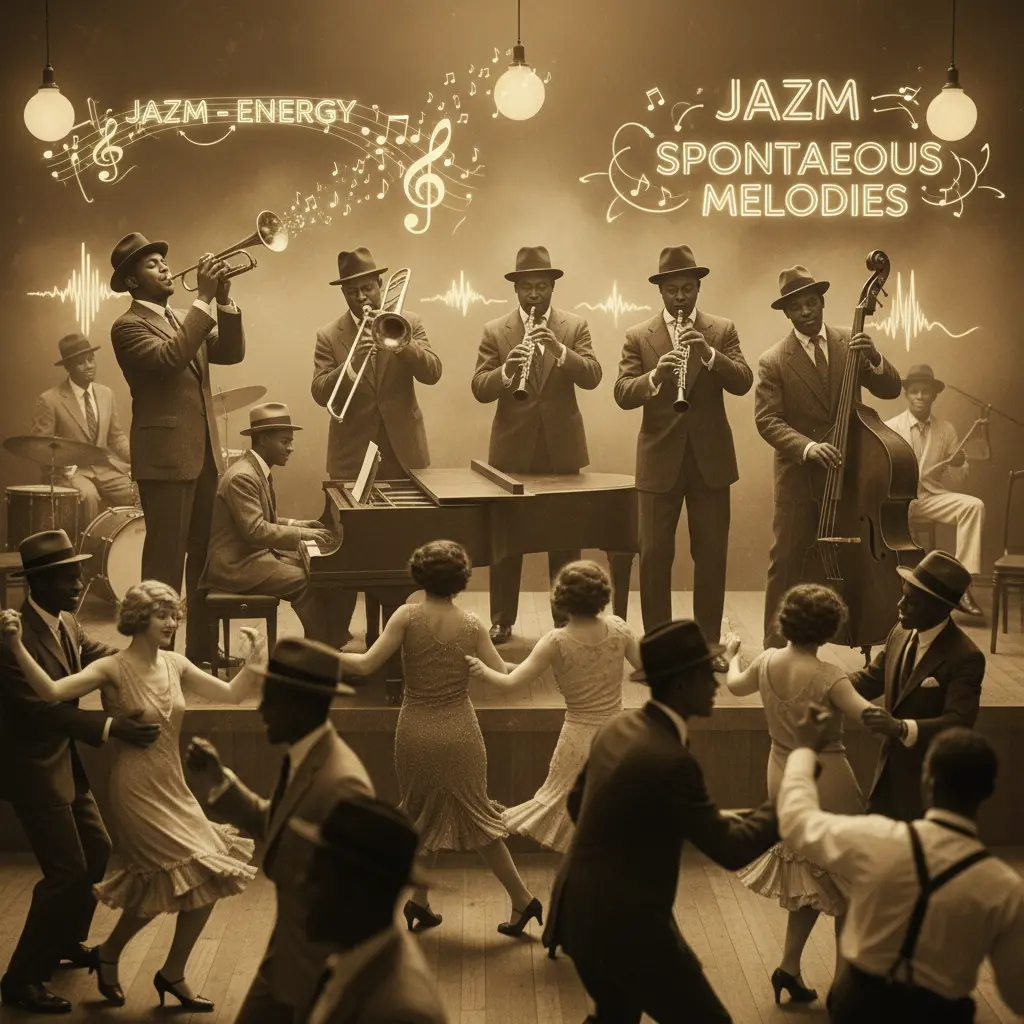
Root decomposition: jazz = the term's origins are unclear, possibly derived from 'jasm' meaning energy. Historical origin: perhaps African American slang dating back to the early 20th century. Memory image: envision a lively dance hall filled with musicians improvising on stage, creating spontaneous melodies that make people move.
Note 1: These definitions and etymologies are not standard dictionary definitions, but extended explanations provided to help with memorization and understanding of the actual application of words. Through this background information, we strive to make words more vivid and easier to understand, and help you remember their meanings in real life.
Note 2: LexiTalk designs the learning flow around the linguistics principle of “Comprehensible Input.” When learners encounter material that is slightly above their level but still understandable from context, the brain naturally absorbs the language. That’s why we keep every word inside authentic contexts, using examples and associations to help you understand it and use it flexibly.
Read the FAQ explanation of Comprehensible InputI lean in toward the speakers, set my shoulders, and press play. The drummer pushes a punchy beat and the bass pulls me along as I shift with the pulse. I loosen my grip on the chair, adjust my breath, and let a small melody grow in the spaces between notes. In that moment jazz feels like a living conversation you keep riding, letting the moment change you rather than you forcing it.
Jazz is a genre of music that emerged in the early 20th century in the United States, rooted in African American communities and blending elements of blues, ragtime, and brass band music. It emphasizes improvisation, swing, and interaction among musicians, with performances often driven by spontaneous ideas rather than strictly written notes. Styles range from New Orleans jazz to bebop, cool jazz, and modern fusion, reflecting evolving cultural contexts and regional voices. A typical jazz performance features improvising solos, call-and-response exchanges, and a focus on groove and timing. The word 'jazz' evokes energy, creativity, and the shared social experience of listening, dancing, and participating in a live moment.
Jazz is treated as a flexible, improvisational art in English; learners focus on vocabulary like improvisation, groove, and standard, while misunderstanding can come from thinking all jazz sounds chaotic or that every fast piece is jazz.
What is the meaning of the word 'jazz'?
Which of the following sentences uses the word 'jazz' correctly?
What is a synonym for the word 'jazz'?
What is an antonym for the word 'jazz'?
In what real-life context would you most likely hear the word 'jazz'?
Download LexiTalk app for personalized learning experience
Download AppCookies
We use cookies for essential site functions, analytics, and ads. You can accept, reject, or manage preferences. Privacy Policy