kit - Master This Word
Master this word with our 5-step learning method – Learn English in English
Train English Through Brain Routes, Not Translation.
This page helps you stop memorizing isolated translations and start understanding a word through its shared mental image, native-style thinking, and practical training steps.
Master this word with our 5-step learning method – Learn English in English
Example sentences are the start of understanding. Don't rush to memorize. First feel how the word works in a sentence.
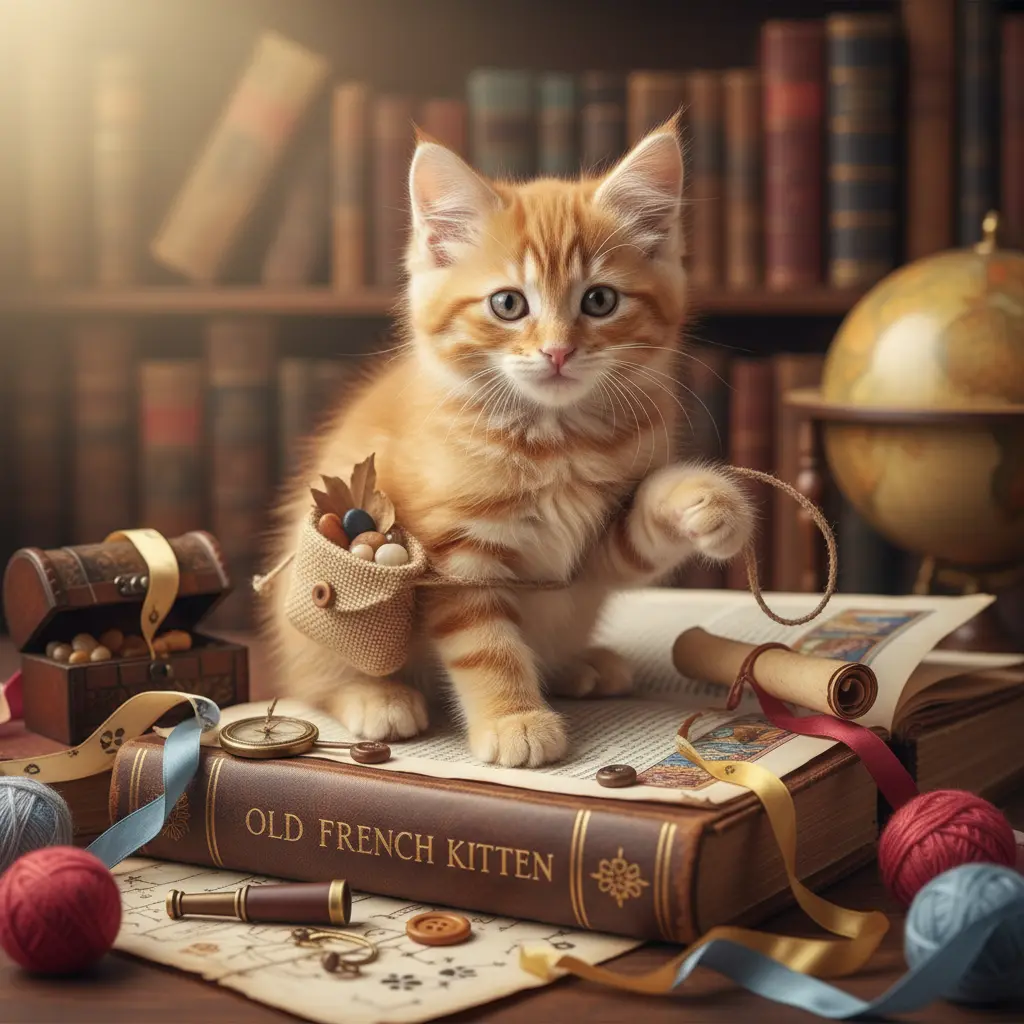
Root: 'kit' was derived from Middle English 'kitten', meaning 'young animal.' Historical origin: Old French 'kitten', which referred to young animals, influenced its transition into English. Memory image: Picture a young animal, such as a kitten, equipped for exploring the world with playful tools like balls or ribbons.
Note 1: These definitions and etymologies are not standard dictionary definitions, but extended explanations provided to help with memorization and understanding of the actual application of words. Through this background information, we strive to make words more vivid and easier to understand, and help you remember their meanings in real life.
Note 2: LexiTalk designs the learning flow around the linguistics principle of “Comprehensible Input.” When learners encounter material that is slightly above their level but still understandable from context, the brain naturally absorbs the language. That’s why we keep every word inside authentic contexts, using examples and associations to help you understand it and use it flexibly.
Read the FAQ explanation of Comprehensible InputI lift a small kit from the shelf and set it on the table. I pop the lid, push the first tool into place, then pull out a few items and shift them into a neat line. I adjust the arrangement, hold it steady, and decide what to keep and what to set aside for the task ahead. The grip tightens a little, the rhythm of moving parts makes the kit feel ready, and the idea of having the right tools for a job starts to take shape.
Kit is a versatile word in English that can mean a set of tools or equipment, a collection of items for a specific purpose, or a small package containing essential items. In daily life you might hear 'a first aid kit', 'a camping kit', or 'a cooking kit'. The word often implies readiness and a curated selection rather than a random assortment. The etymology you provided links 'kit' to Middle English 'kitten' and Old French origins, with a memory image of a young animal prepared for exploration. Learners should note that kit is usually countable (one kit, two kits) and often used in compound nouns with a noun that follows, as in 'tool kit' or 'survival kit'.
English speakers tend to bundle the concept in fixed phrases (tool kit, first aid kit) signaling a ready-made set. Learners often over-focus on a physical container and may say 'a kit of things' instead of a natural noun-noun compound like 'camping kit'.
What is the meaning of the word 'kit'?
Which of the following sentences uses 'kit' correctly?
What is a synonym for 'kit'?
What is an antonym for 'kit'?
How would you use 'kit' in a real-life context?
Download LexiTalk app for personalized learning experience
Download AppCookies
We use cookies for essential site functions, analytics, and ads. You can accept, reject, or manage preferences. Privacy Policy