locks - Master This Word
Master this word with our 5-step learning method – Learn English in English
Train English Through Brain Routes, Not Translation.
This page helps you stop memorizing isolated translations and start understanding a word through its shared mental image, native-style thinking, and practical training steps.
Master this word with our 5-step learning method – Learn English in English
Example sentences are the start of understanding. Don't rush to memorize. First feel how the word works in a sentence.
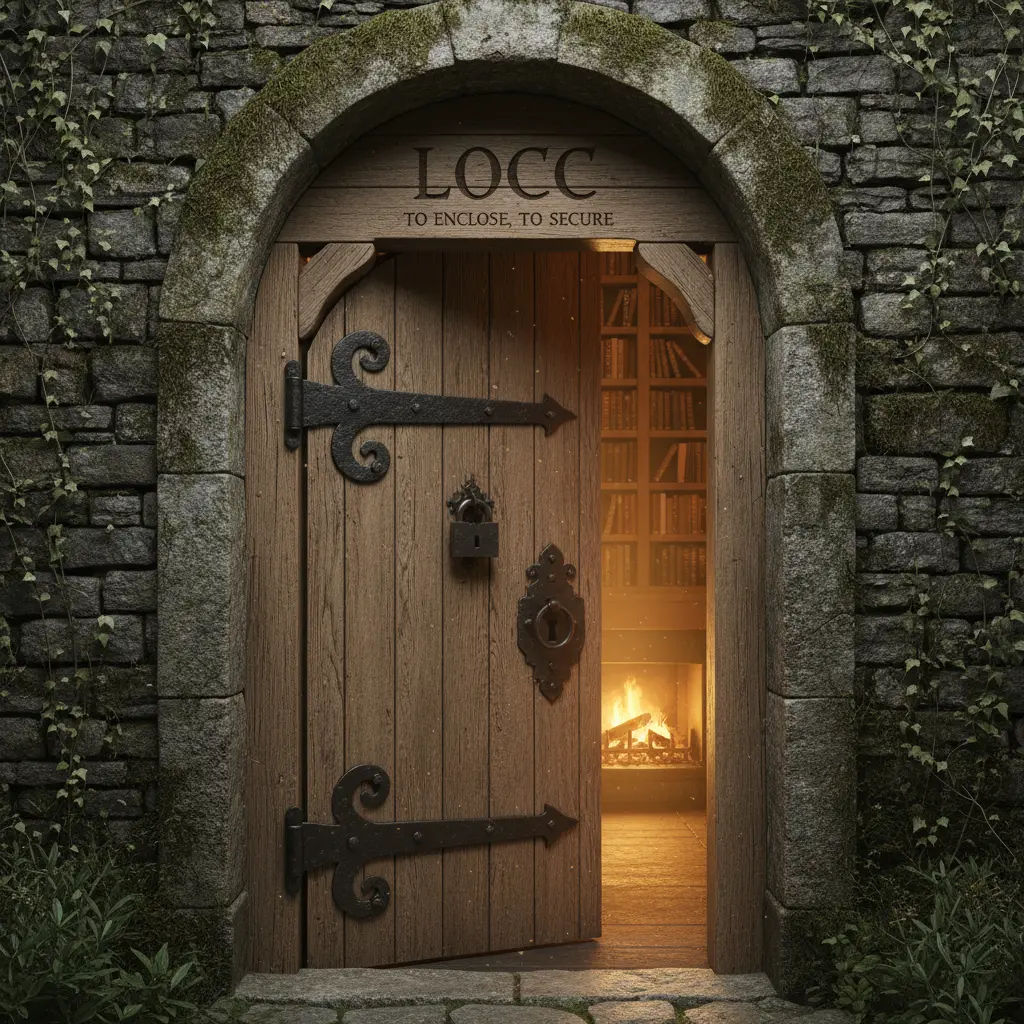
Old English 'locc' (to enclose) which relates to enclosing or securing. The memory image is of a sturdy door that keeps things safe behind it.
Note 1: These definitions and etymologies are not standard dictionary definitions, but extended explanations provided to help with memorization and understanding of the actual application of words. Through this background information, we strive to make words more vivid and easier to understand, and help you remember their meanings in real life.
Note 2: LexiTalk designs the learning flow around the linguistics principle of “Comprehensible Input.” When learners encounter material that is slightly above their level but still understandable from context, the brain naturally absorbs the language. That’s why we keep every word inside authentic contexts, using examples and associations to help you understand it and use it flexibly.
Read the FAQ explanation of Comprehensible InputI reach out, fingers brushing the cold metal as I turn the tiny knob. A firm push sends the latch sliding into place with a crisp click. I pull the door a little to test it, and it holds, not a thing moving. The act settles the room into a quiet grip, keeping everything safe and steady.
The word lock can be a noun or a verb. As a noun, it describes a device, such as a padlock, deadbolt, or combination lock, that keeps doors, boxes, bags, or drawers secure by catching a bolt or latch. As a verb, to lock means to fasten or secure something so it cannot be opened, or to shut something tightly. It also figures in idioms like 'lock in' meaning to fix or secure a price, time, or plan. In many contexts a lock forms a boundary, preventing access or movement. Understanding whether lock is the object or the action is key for correct usage.
English clearly marks lock as a concrete device vs the action, and uses multiple phrasal verbs with lock. Learners often mix up when to treat lock as an object or an action, and stumble on phrases like lock in vs lock out.
Download LexiTalk app for personalized learning experience
Download AppCookies
We use cookies for essential site functions, analytics, and ads. You can accept, reject, or manage preferences. Privacy Policy