
lords - Master This Word
Master this word with our 5-step learning method – Learn English in English
Train English Through Brain Routes, Not Translation.
This page helps you stop memorizing isolated translations and start understanding a word through its shared mental image, native-style thinking, and practical training steps.
Master this word with our 5-step learning method – Learn English in English
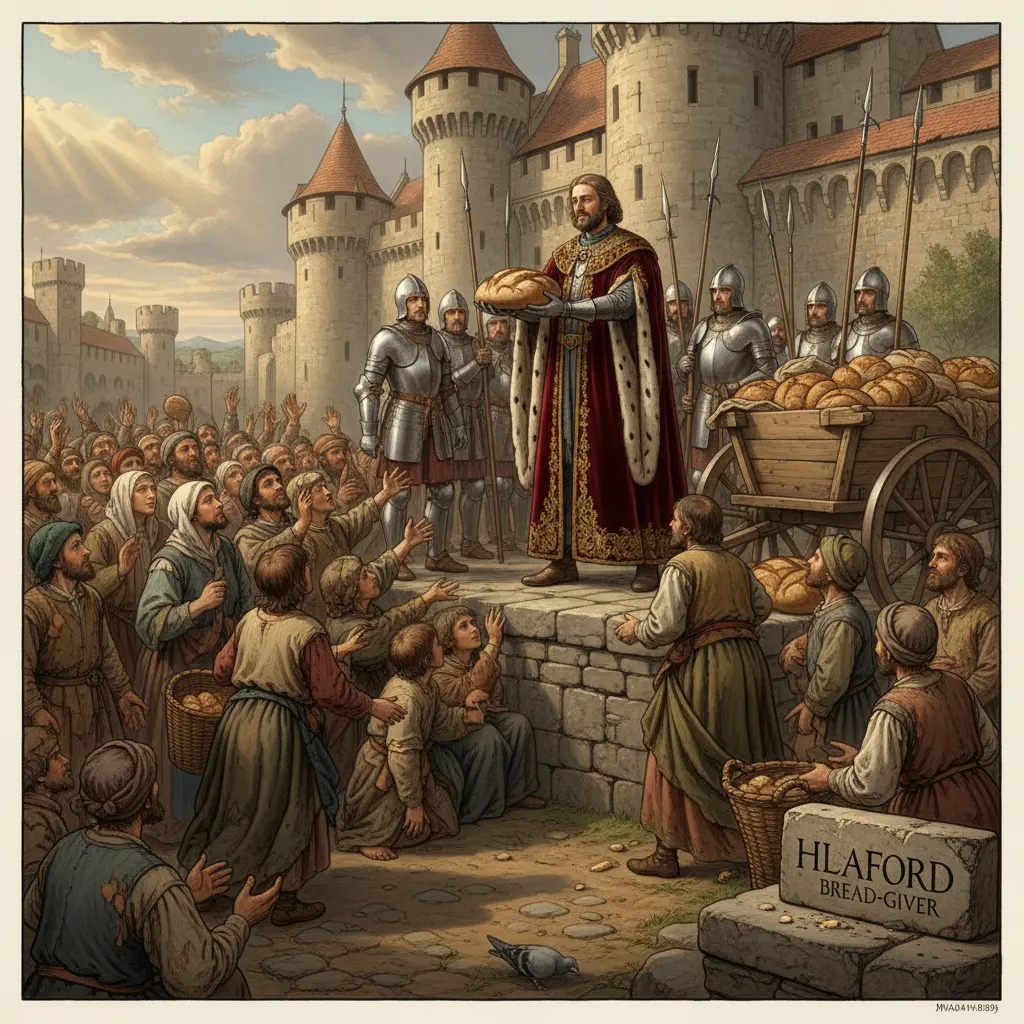
Example sentences are the start of understanding. Don't rush to memorize. First feel how the word works in a sentence.
The word 'lord' comes from Old English 'hlaford', where 'hla' means 'bread' and 'ford' means 'to provide', illustrating a figure who provides sustenance. Originating from Germanic roots, it translates through various languages to modern English. Imagine a nobleman providing bread to those in need, illustrating power and support.
Note 1: These definitions and etymologies are not standard dictionary definitions, but extended explanations provided to help with memorization and understanding of the actual application of words. Through this background information, we strive to make words more vivid and easier to understand, and help you remember their meanings in real life.
Note 2: LexiTalk designs the learning flow around the linguistics principle of “Comprehensible Input.” When learners encounter material that is slightly above their level but still understandable from context, the brain naturally absorbs the language. That’s why we keep every word inside authentic contexts, using examples and associations to help you understand it and use it flexibly.
Read the FAQ explanation of Comprehensible InputI take a slow breath and push open the door, my hand lingering on the handle as if I am choosing who enters. I move through the room and set the tone with a quiet, steady voice, guiding people where to stand and when to speak. The weight of what I hold shifts with each request, so I adjust my pace and direction. In this small moment of control, the word lord takes shape as a sense of a master at the helm, a daily rhythm of ruling and responsibility.
Lord is a versatile term in English with three broad senses. First, it denotes a person of noble rank or high office, such as a peer or a lord mayor. Second, the word can mean a master or ruler—someone who has authority over people or land, as in historical or literary contexts. Third, lord can refer to a deity or God in religious usage. In everyday modern English, you will hear “my lord” or “your lordship” mainly in formal, historical, or literary settings. The noun form appears in compound titles (landlord, lordship) to indicate power, while the verb phrase “to lord it over” means to rule in a pompous, dominating way, though this is less common today.
Explain to an English speaker (meta, keep short)
Download LexiTalk app for personalized learning experience
Download AppCookies
We use cookies for essential site functions, analytics, and ads. You can accept, reject, or manage preferences. Privacy Policy