magical - Master This Word
Master this word with our 5-step learning method – Learn English in English
Train English Through Brain Routes, Not Translation.
This page helps you stop memorizing isolated translations and start understanding a word through its shared mental image, native-style thinking, and practical training steps.
Master this word with our 5-step learning method – Learn English in English
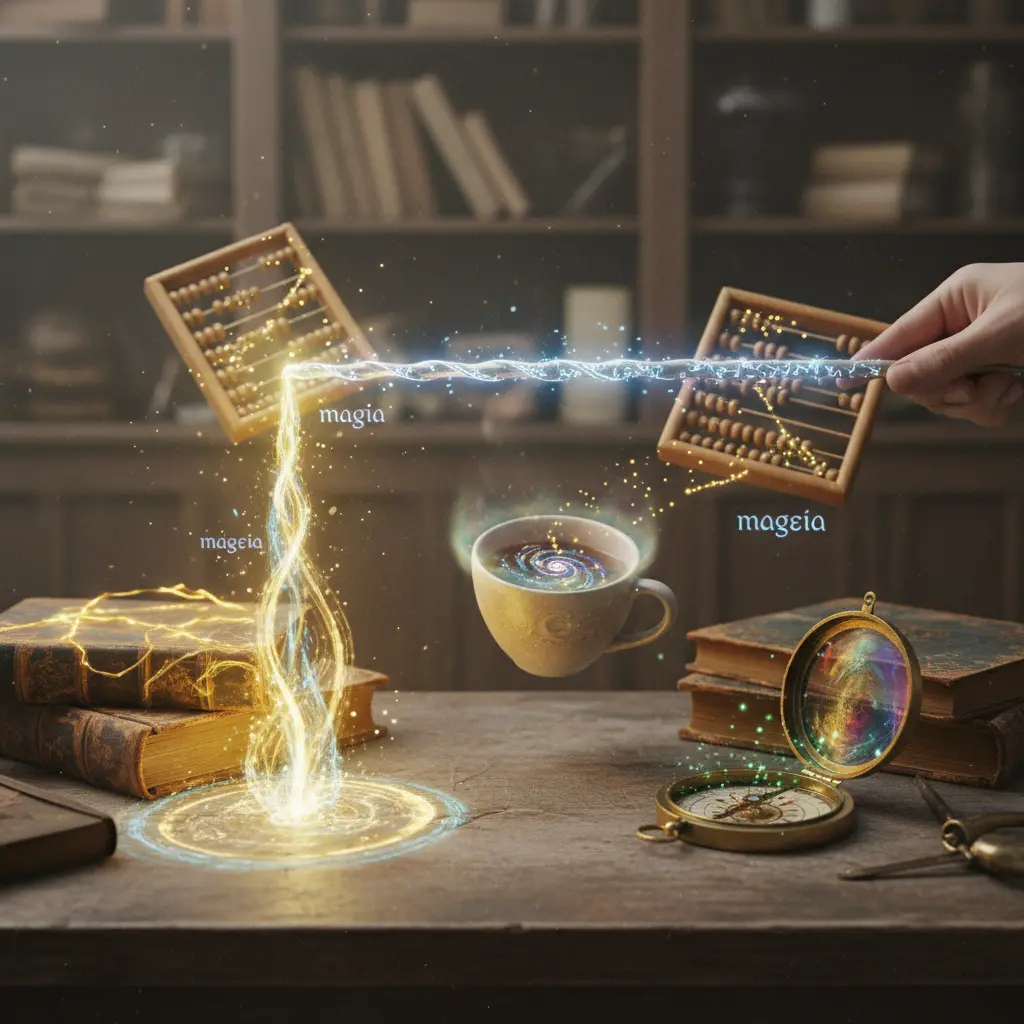
Example sentences are the start of understanding. Don't rush to memorize. First feel how the word works in a sentence.
Root decomposition: base form magic + suffix -al. Historical origin: Latin magia, Greek mageia; via Old French magie into English magical. Memory image: a silver wand turning ordinary objects into glowing, magical things.
Note 1: These definitions and etymologies are not standard dictionary definitions, but extended explanations provided to help with memorization and understanding of the actual application of words. Through this background information, we strive to make words more vivid and easier to understand, and help you remember their meanings in real life.
Note 2: LexiTalk designs the learning flow around the linguistics principle of “Comprehensible Input.” When learners encounter material that is slightly above their level but still understandable from context, the brain naturally absorbs the language. That’s why we keep every word inside authentic contexts, using examples and associations to help you understand it and use it flexibly.
Read the FAQ explanation of Comprehensible InputI pause, set my shoulders, and push a quiet breath into the moment. A plain scene shifts as I adjust my gaze, a small flicker of light turning into a glow that feels almost alive. It feels light and in control, a gentle shift from ordinary to something magical. I carry that feeling into real conversation, letting the mood it creates guide how I describe the moment without overthinking the words.
Magical is a flexible English adjective that grows from the noun magic. It can describe things that involve actual magic, such as a magical spell or magical creatures, but it is also used metaphorically for experiences that feel extraordinary or unexplainable, as if by magic. People may refer to a 'magical moment' at a wedding or a 'magical setting' in a story. Unlike 'mystical,' magical emphasizes wonder and charm rather than spiritual mystery. It can modify nouns that describe tangible things (magical sword) or abstract qualities (a magical performance). When you hear 'magical,' think delight, sparkle, and a sense of enchantment that stands out from the ordinary.
Think of magical as a glow of delight that goes beyond ordinary praise. Learners often over-use it for any wow moment and forget that it carries a sense of charm and enchantment, not just extraordinariness.
What is the meaning of the word 'magical'?
In which sentence is 'magical' used correctly?
Which word is a synonym of 'magical'?
In what situation would you describe something as 'magical'?
Can you describe a real-life experience that felt 'magical' to you?
Download LexiTalk app for personalized learning experience
Download AppCookies
We use cookies for essential site functions, analytics, and ads. You can accept, reject, or manage preferences. Privacy Policy