
megacities - Master This Word
Master this word with our 5-step learning method – Learn English in English
Train English Through Brain Routes, Not Translation.
This page helps you stop memorizing isolated translations and start understanding a word through its shared mental image, native-style thinking, and practical training steps.
Master this word with our 5-step learning method – Learn English in English
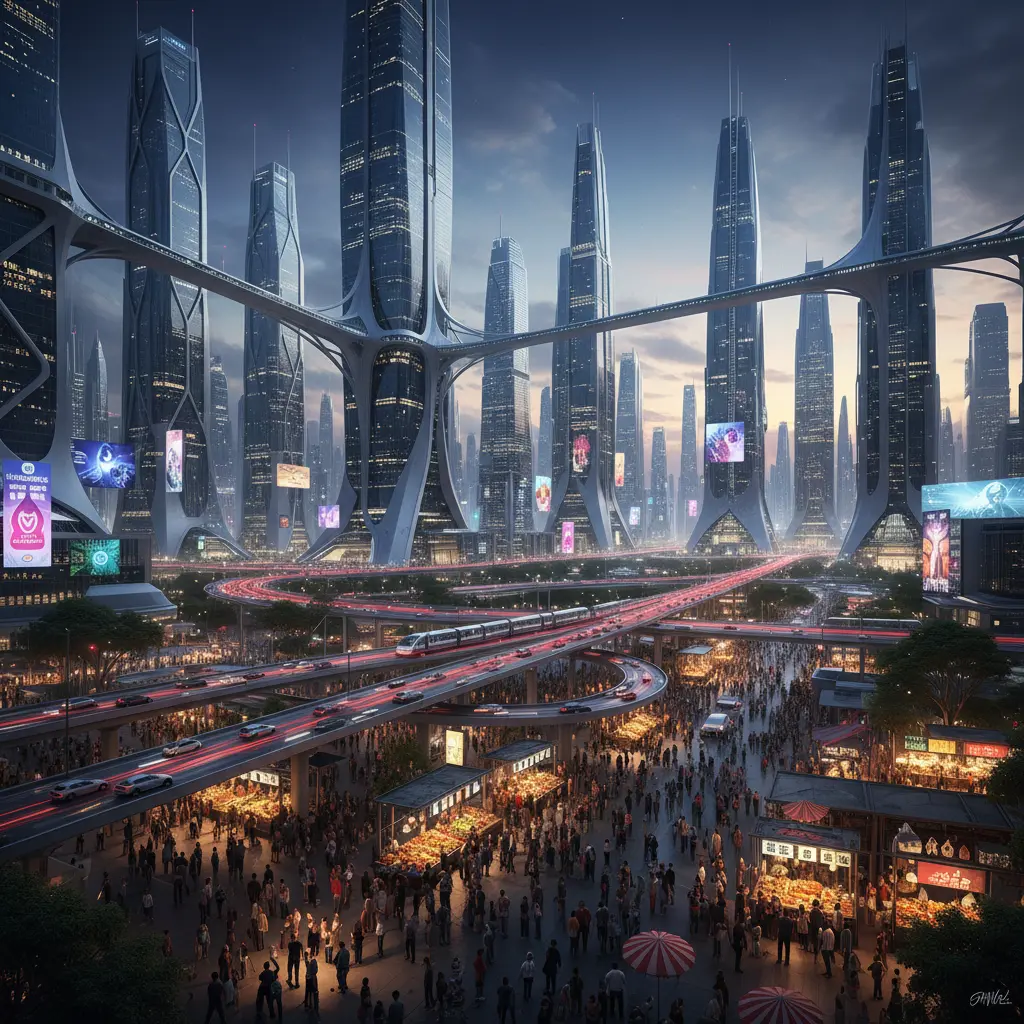
Example sentences are the start of understanding. Don't rush to memorize. First feel how the word works in a sentence.
1) Root decomposition: 'mega-' (meaning large) + 'city' (meaning urban center); 2) Historical origin: Greek 'megás' → Latin 'megalis' → French 'méga' → English 'megacity'; 3) Memory image: Imagine a bustling metropolis with towering skyscrapers and millions of people, a vibrant tapestry of cultures and activities.
Note 1: These definitions and etymologies are not standard dictionary definitions, but extended explanations provided to help with memorization and understanding of the actual application of words. Through this background information, we strive to make words more vivid and easier to understand, and help you remember their meanings in real life.
Note 2: LexiTalk designs the learning flow around the linguistics principle of “Comprehensible Input.” When learners encounter material that is slightly above their level but still understandable from context, the brain naturally absorbs the language. That’s why we keep every word inside authentic contexts, using examples and associations to help you understand it and use it flexibly.
Read the FAQ explanation of Comprehensible InputMegacity is a term used to describe an extremely large urban area, typically with a population exceeding 10 million. It signals more than just a big population; megacities are hubs that shape national economies, cultural trends, and political life. They concentrate industries, transportation networks, universities, and media, creating dynamic but often crowded environments. The concept emphasizes scale, infrastructure demands, and the social mix of residents from diverse backgrounds. Learners should note that megacity is commonly used in news, research, and urban planning discussions, and it contrasts with 'city' or 'metropolis' by implying a unique global significance rather than size alone. Visualize a sprawling skyline, dense streets, and constant movement.
English tends to foreground scale by combining population thresholds with global influence; learners often over-focus on just 'many people' and miss how megacities drive economies and culture.
Download LexiTalk app for personalized learning experience
Download AppCookies
We use cookies for essential site functions, analytics, and ads. You can accept, reject, or manage preferences. Privacy Policy