
microbes - Master This Word
Master this word with our 5-step learning method – Learn English in English
Train English Through Brain Routes, Not Translation.
This page helps you stop memorizing isolated translations and start understanding a word through its shared mental image, native-style thinking, and practical training steps.
Master this word with our 5-step learning method – Learn English in English
Example sentences are the start of understanding. Don't rush to memorize. First feel how the word works in a sentence.
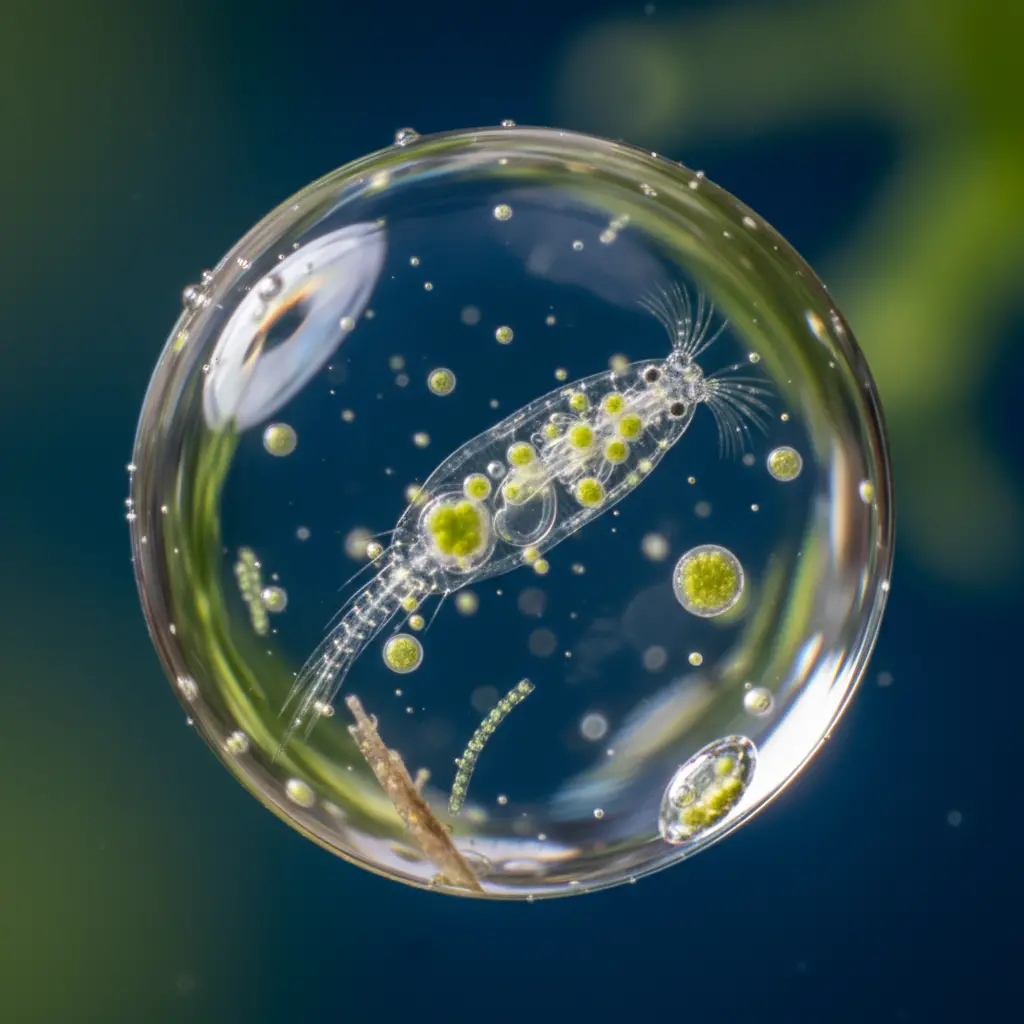
micro- = small + -be = life. Originated from Greek 'mikros' (small) + 'bios' (life) → Latin → English. Imagine a microscopic creature living in a drop of water, showcasing the tiny yet complex life forms that exist all around us.
Note 1: These definitions and etymologies are not standard dictionary definitions, but extended explanations provided to help with memorization and understanding of the actual application of words. Through this background information, we strive to make words more vivid and easier to understand, and help you remember their meanings in real life.
Note 2: LexiTalk designs the learning flow around the linguistics principle of “Comprehensible Input.” When learners encounter material that is slightly above their level but still understandable from context, the brain naturally absorbs the language. That’s why we keep every word inside authentic contexts, using examples and associations to help you understand it and use it flexibly.
Read the FAQ explanation of Comprehensible InputMicrobe is a microscopic organism, so small that you need a microscope to see it. It can be any tiny life form, including bacteria, viruses, fungi, and protozoa. In everyday English, the word microbe is often used to emphasize living beings that can affect health, and it is more neutral than the word germ. Scientists study microbes to understand disease, digestion, and ecosystems, and public health messages remind people to wash hands to limit harmful microbes. When teaching beginners, note that microbe is a broad, inclusive term and that many microbes are harmless or even beneficial as part of our bodies and environment.
Microbe is a neutral, umbrella term in English. Learners often mix it with germ or microorganism, so highlight broad scope vs disease emphasis.
Download LexiTalk app for personalized learning experience
Download AppCookies
We use cookies for essential site functions, analytics, and ads. You can accept, reject, or manage preferences. Privacy Policy