minutes - Master This Word
Master this word with our 5-step learning method – Learn English in English
Train English Through Brain Routes, Not Translation.
This page helps you stop memorizing isolated translations and start understanding a word through its shared mental image, native-style thinking, and practical training steps.
Master this word with our 5-step learning method – Learn English in English
Example sentences are the start of understanding. Don't rush to memorize. First feel how the word works in a sentence.
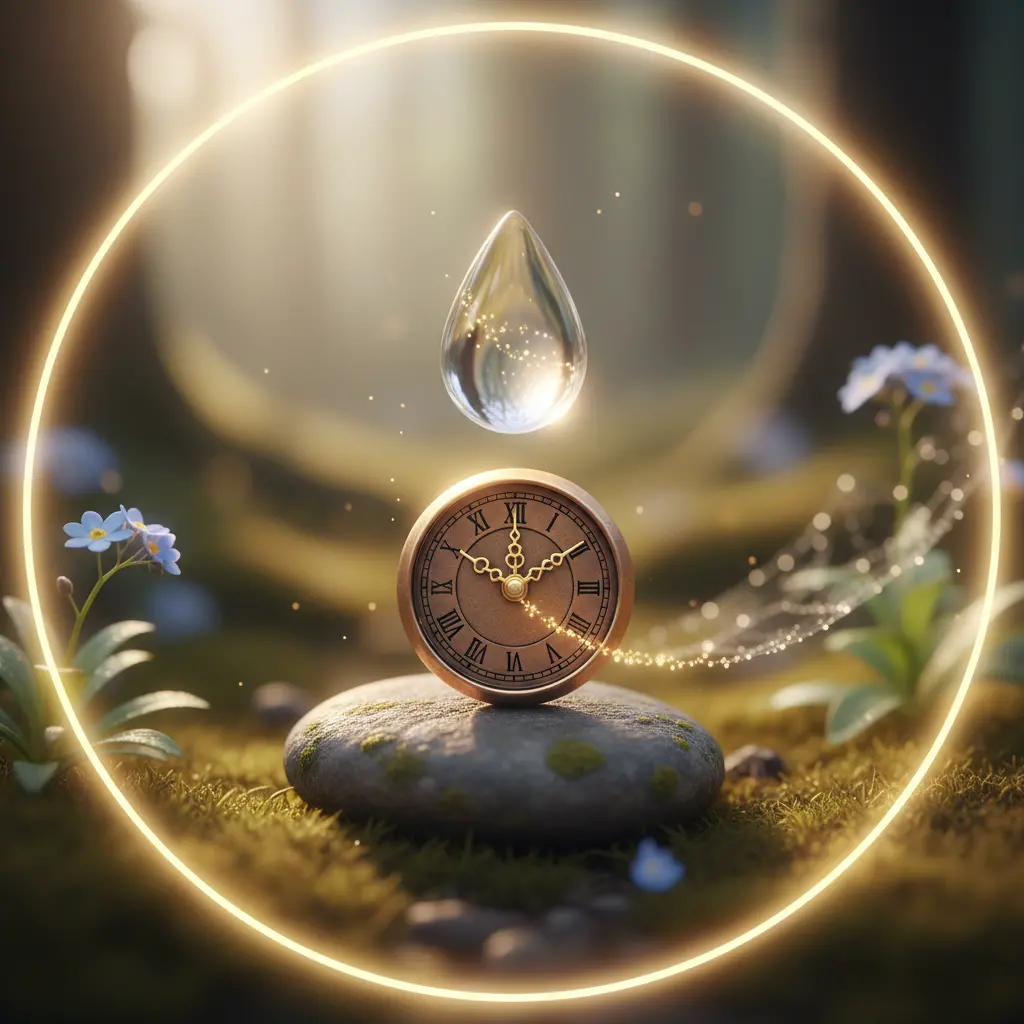
Minute = min- (small) + -ute (indicating diminutive). From Latin minutus → Old French minute → English. Imagine a tiny clock with its hands moving slowly, showcasing each second as a small moment in time.
Note 1: These definitions and etymologies are not standard dictionary definitions, but extended explanations provided to help with memorization and understanding of the actual application of words. Through this background information, we strive to make words more vivid and easier to understand, and help you remember their meanings in real life.
Note 2: LexiTalk designs the learning flow around the linguistics principle of “Comprehensible Input.” When learners encounter material that is slightly above their level but still understandable from context, the brain naturally absorbs the language. That’s why we keep every word inside authentic contexts, using examples and associations to help you understand it and use it flexibly.
Read the FAQ explanation of Comprehensible InputYou pick up a tiny timer and set the first tick by turning the dial, then push it to start. The seconds move past as you switch attention between the clock and the notes you’re taking, and you adjust your pace to stay on rhythm. It feels like a small but steady effort you hold in your focus, a moment you keep tight in your awareness. In a meeting, you shift your hand to the page, decide what to capture, and the minute slips by as you set your mind to follow the talk.
Minute is one of those English words that wears more than one hat. As a noun it means a period of time equal to sixty seconds, but you can also use it to refer to a written record of a meeting or formal gathering, i. e., the minutes. As an adjective, minute can describe something very small or fine, though this sense is often replaced by minuscule or tiny in everyday speech. Learners often confuse the noun and the adjective, or mispronounce minute as MIN-it rather than my-NOOT. In conversations, you might say 'a minute to spare' or 'the minute details,' but be aware that the latter sounds formal and a bit old-fashioned. When taking notes in a meeting, you produce minutes rather than minutes long content.
Minute is tricky for learners because English uses two different senses and two pronunciations. Emphasize that the noun is a time unit and the plural form is minutes, while the adjective means small and is often replaced by minuscule in everyday speech.
What is the meaning of the word 'minutes'?
How is the word 'minutes' used in a sentence?
Which word is most similar to 'minutes'?
What is the opposite of the word 'minutes'?
Can you think of a real-life context where the term 'minutes' would be relevant?
Technology & Social Media
Listen NowDownload LexiTalk app for personalized learning experience
Download AppCookies
We use cookies for essential site functions, analytics, and ads. You can accept, reject, or manage preferences. Privacy Policy