modernity - Master This Word
Master this word with our 5-step learning method – Learn English in English
Train English Through Brain Routes, Not Translation.
This page helps you stop memorizing isolated translations and start understanding a word through its shared mental image, native-style thinking, and practical training steps.
Master this word with our 5-step learning method – Learn English in English
Example sentences are the start of understanding. Don't rush to memorize. First feel how the word works in a sentence.
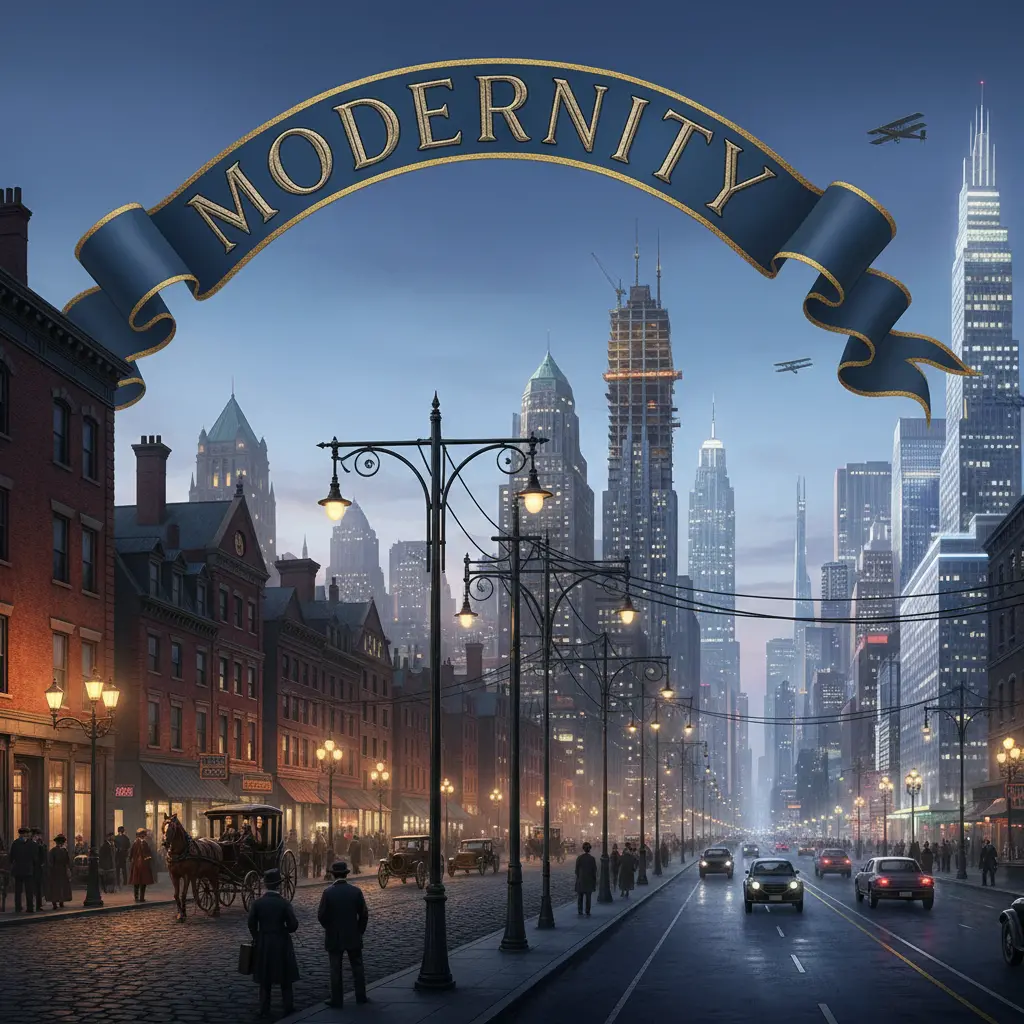
Root decomposition: root = modern + suffix -ity; no prefix. Historical origin: from Latin modernus via Old French moderne, into English; the noun modernity formed in the 19th century. Memory image: picture a city skyline moving from gas lamps to electric lights under a banner labeled modernity, symbolizing the new era.
Note 1: These definitions and etymologies are not standard dictionary definitions, but extended explanations provided to help with memorization and understanding of the actual application of words. Through this background information, we strive to make words more vivid and easier to understand, and help you remember their meanings in real life.
Note 2: LexiTalk designs the learning flow around the linguistics principle of “Comprehensible Input.” When learners encounter material that is slightly above their level but still understandable from context, the brain naturally absorbs the language. That’s why we keep every word inside authentic contexts, using examples and associations to help you understand it and use it flexibly.
Read the FAQ explanation of Comprehensible InputModernity is the condition or quality of being modern, the ongoing process of modernization that shapes how we live, think, and interact. It highlights the rise of science, industry, and technology, and the new social orders they create. The concept also covers the ideas, institutions, and cultural patterns linked to modern life, including urban living, mass media, and rational planning. Discussions of modernity often balance the promise of progress with concerns about inequality, alienation, and environmental impact. Evolving from the Industrial Revolution to the digital era, modernity frames shifts in time, space, and identity that mark contemporary experience.
In English, modernity is often a broad, historical concept referring to the era and its social changes, not just new gadgets. Learners may mistake it for a synonym of 'modern' and forget its concrete socio-cultural scope.
What is the meaning of the word 'modernity'?
In which of the following sentences is 'modernity' used correctly?
Which of the following is a synonym of 'modernity'?
What is the opposite of 'modernity'?
How would you describe the impact of modernity in today's society?
English Learning Listening Content
Listen NowDownload LexiTalk app for personalized learning experience
Download AppCookies
We use cookies for essential site functions, analytics, and ads. You can accept, reject, or manage preferences. Privacy Policy