money - Master This Word
Master this word with our 5-step learning method – Learn English in English
Train English Through Brain Routes, Not Translation.
This page helps you stop memorizing isolated translations and start understanding a word through its shared mental image, native-style thinking, and practical training steps.
Master this word with our 5-step learning method – Learn English in English
Example sentences are the start of understanding. Don't rush to memorize. First feel how the word works in a sentence.
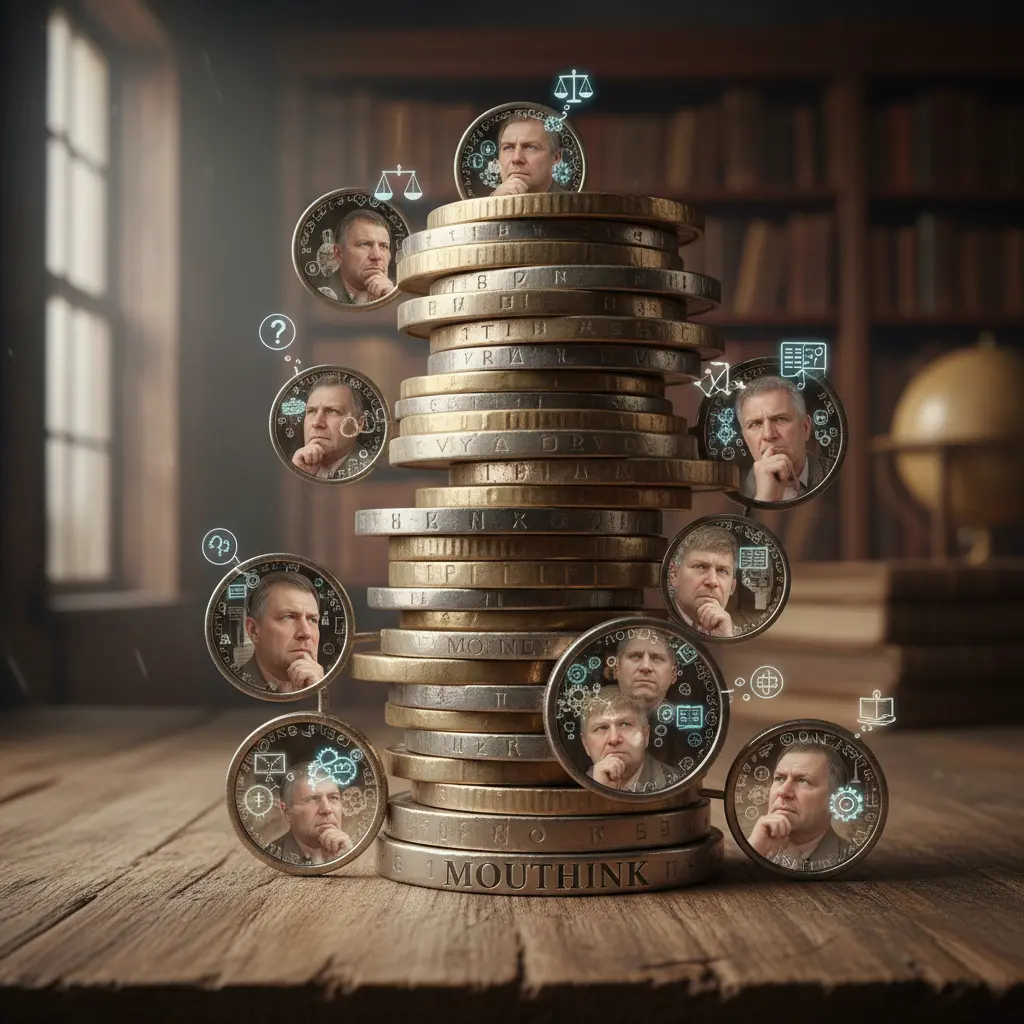
Root: mou- (to think, reflect) + -ney (from Old French 'moneie'). Historical origin: Latin -> Old French -> English. Memory image: Imagine a stack of coins reflecting light, representing thoughts on wealth and decisions.
Note 1: These definitions and etymologies are not standard dictionary definitions, but extended explanations provided to help with memorization and understanding of the actual application of words. Through this background information, we strive to make words more vivid and easier to understand, and help you remember their meanings in real life.
Note 2: LexiTalk designs the learning flow around the linguistics principle of “Comprehensible Input.” When learners encounter material that is slightly above their level but still understandable from context, the brain naturally absorbs the language. That’s why we keep every word inside authentic contexts, using examples and associations to help you understand it and use it flexibly.
Read the FAQ explanation of Comprehensible InputI slip my hand into my pocket and move my fingers around a few bills, then pull out what I need at the counter. I count quickly, watching the numbers change as I shift the coins and notes from palm to palm. The act of handing it over feels like a small push of decision, a choice that changes the room’s rhythm and whether I walk away lighter or heavier. In that moment, money stops being paper and coins and becomes a tool I use to shape what I can do next.
Money is a flexible concept used as a medium of exchange for goods and services, but it also embodies wealth and power in many contexts. It can refer to coins and banknotes, or to the broader resources a person has. People save money to plan for the future, spend money for daily needs, and invest money to grow it. The idea of money varies by culture and technology: some societies emphasize cash, while others rely more on digital payments. Learning about money involves vocabulary for earning, spending, saving, debt, budgeting, and investing, plus awareness of idioms and tone in different situations.
Money is often treated as a concrete thing in English, but speakers also use it metaphorically and vary tone by context.
What is the meaning of the word 'money'?
How is the word 'money' used in a sentence?
Which word is similar to 'money'?
What is the opposite of 'money'?
Can you think of a real-life context where 'money' plays a significant role?
Download LexiTalk app for personalized learning experience
Download AppCookies
We use cookies for essential site functions, analytics, and ads. You can accept, reject, or manage preferences. Privacy Policy