moon - Master This Word
Master this word with our 5-step learning method – Learn English in English
Train English Through Brain Routes, Not Translation.
This page helps you stop memorizing isolated translations and start understanding a word through its shared mental image, native-style thinking, and practical training steps.
Master this word with our 5-step learning method – Learn English in English
Example sentences are the start of understanding. Don't rush to memorize. First feel how the word works in a sentence.
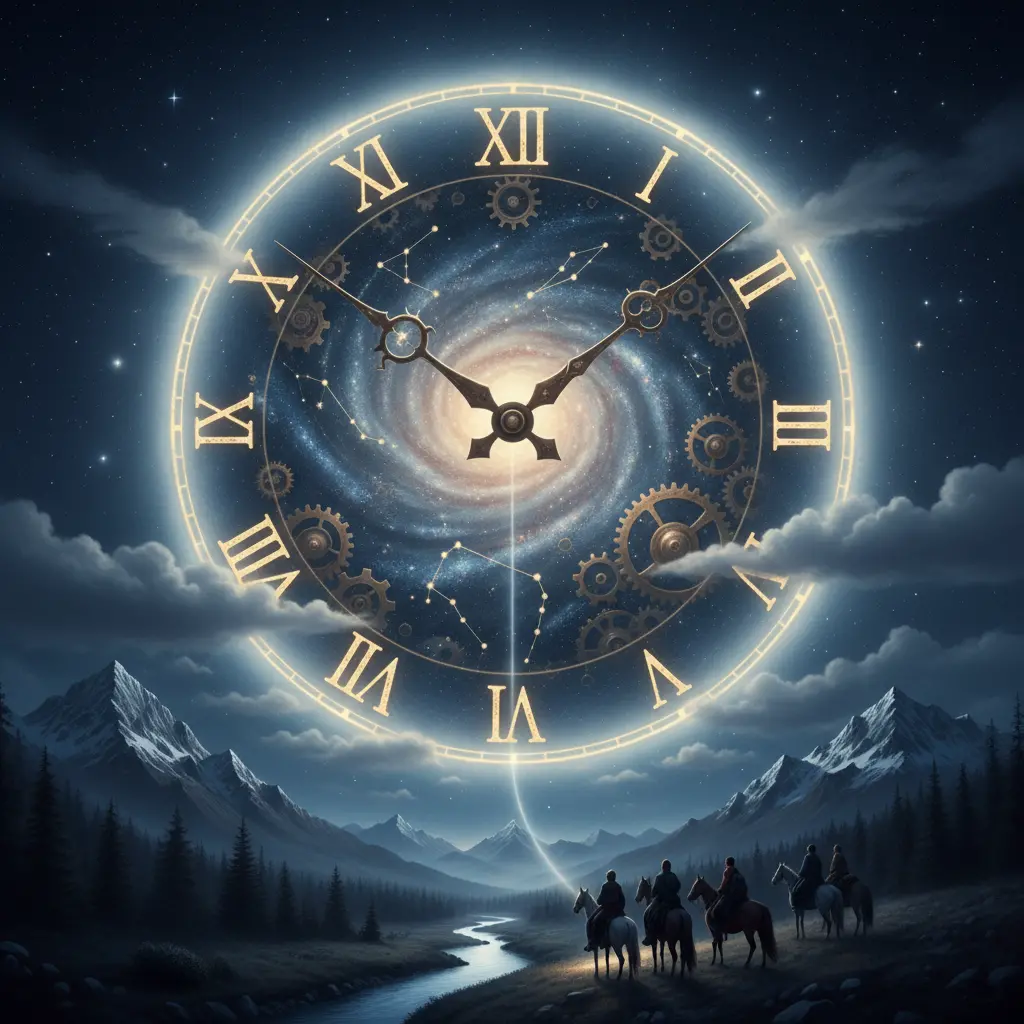
mo-, root of 'moon', is of uncertain origin; related to 'mānos' in Proto-Indo-European meaning 'to measure' for time, and 'mon' from 'mensus' meaning 'to measure'. The word evolved through Old English 'mōna' to Modern English 'moon'. Imagine the moon as a clock in the night sky measuring time and guiding travelers.
Note 1: These definitions and etymologies are not standard dictionary definitions, but extended explanations provided to help with memorization and understanding of the actual application of words. Through this background information, we strive to make words more vivid and easier to understand, and help you remember their meanings in real life.
Note 2: LexiTalk designs the learning flow around the linguistics principle of “Comprehensible Input.” When learners encounter material that is slightly above their level but still understandable from context, the brain naturally absorbs the language. That’s why we keep every word inside authentic contexts, using examples and associations to help you understand it and use it flexibly.
Read the FAQ explanation of Comprehensible InputI push the window a little open and let the cool night air slip in. I move my gaze to the moon and adjust my posture so the silver circle lines up with the lamp on the desk. The light changes the room and my mood, and I keep a small breath as I decide what to do next. The moon becomes a soft, quiet guide for moments of reflection or a spark for a gentle romance.
Moon is Earth's natural satellite, visible in most latitudes and famous for its phases from new to full. This cycle has shaped calendars, tides, folklore, and literature, and it figures prominently in everyday phrases like moonlight and the Moon shines. The word itself comes from Old English mōna and is linked to ancient ideas of measuring time, a reminder that civilizations once turned to the night sky to track days. In teaching, emphasize the two main senses: the astronomical object and a metaphor for romance, contemplation, or distance, so learners can recognize both literal and figurative uses.
For English speakers, the Moon often appears as a concrete object and a rich source of metaphor, so learners should easily switch from factual description to poetic usage; beware subtle distinctions between 'moon' as a physical body and 'the Moon' as a personified symbol.
What is the meaning of the word 'moon'?
In which of the following sentences is 'moon' used correctly?
Which word is similar to 'moon'?
Which word is the opposite of 'moon'?
In what real-life context would you most likely see the moon?
Download LexiTalk app for personalized learning experience
Download AppCookies
We use cookies for essential site functions, analytics, and ads. You can accept, reject, or manage preferences. Privacy Policy