moth - Master This Word
Master this word with our 5-step learning method – Learn English in English
Train English Through Brain Routes, Not Translation.
This page helps you stop memorizing isolated translations and start understanding a word through its shared mental image, native-style thinking, and practical training steps.
Master this word with our 5-step learning method – Learn English in English
Example sentences are the start of understanding. Don't rush to memorize. First feel how the word works in a sentence.
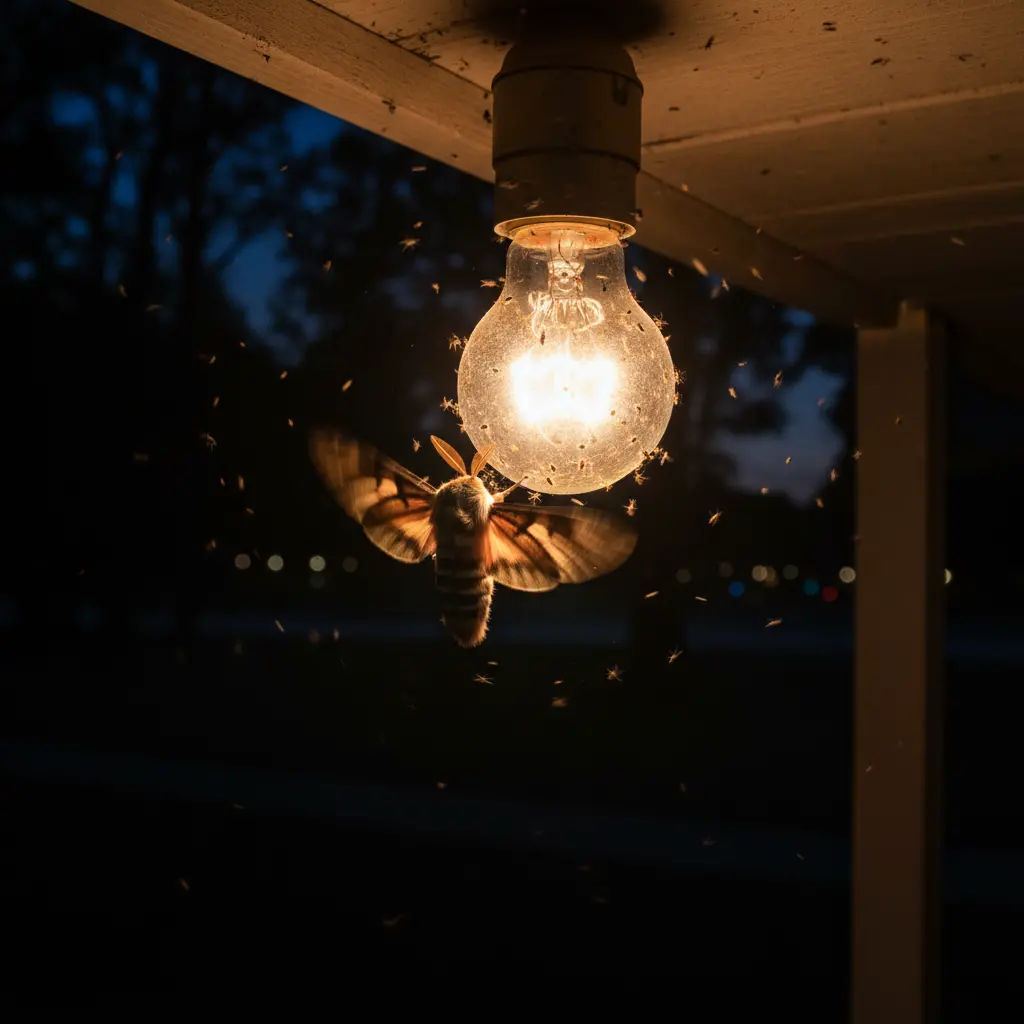
Root: 'moth' from Old English 'moððe' (related to night creatures). Historical origin: Old English → Middle English → modern English. Memory image: picture a moth fluttering around a bright light bulb on a dark night, embodying its attraction to light.
Note 1: These definitions and etymologies are not standard dictionary definitions, but extended explanations provided to help with memorization and understanding of the actual application of words. Through this background information, we strive to make words more vivid and easier to understand, and help you remember their meanings in real life.
Note 2: LexiTalk designs the learning flow around the linguistics principle of “Comprehensible Input.” When learners encounter material that is slightly above their level but still understandable from context, the brain naturally absorbs the language. That’s why we keep every word inside authentic contexts, using examples and associations to help you understand it and use it flexibly.
Read the FAQ explanation of Comprehensible Inputmoth is a noun for a type of insect related to butterflies. It covers many species that are active at night or dusk, and many moths are drawn to light. In everyday English, moths are described as fuzzy-winged nocturnal creatures rather than as a single butterfly species. The word often evokes scenes of lamps, candles, or porch lights in warm summer evenings. Some moths flutter into rooms when lights are on, which makes learners think moth equals only pests; in science or nature writing, you can specify a family such as noctuid moths or hawk moths. Memory image: a moth circling a bright bulb on a dark night.
Learners in English often picture moths as mysterious, nocturnal insects attracted to light, which is accurate but can lead to overgeneralization; emphasize species-level detail when precision matters.
What is the meaning of the word 'moth'?
Which sentence uses the word 'moth' correctly?
What is a synonym for 'moth'?
What is an antonym for 'moth'?
In what real-life context might you encounter a moth?
Download LexiTalk app for personalized learning experience
Download AppCookies
We use cookies for essential site functions, analytics, and ads. You can accept, reject, or manage preferences. Privacy Policy