movies - Master This Word
Master this word with our 5-step learning method – Learn English in English
Train English Through Brain Routes, Not Translation.
This page helps you stop memorizing isolated translations and start understanding a word through its shared mental image, native-style thinking, and practical training steps.
Master this word with our 5-step learning method – Learn English in English
Example sentences are the start of understanding. Don't rush to memorize. First feel how the word works in a sentence.
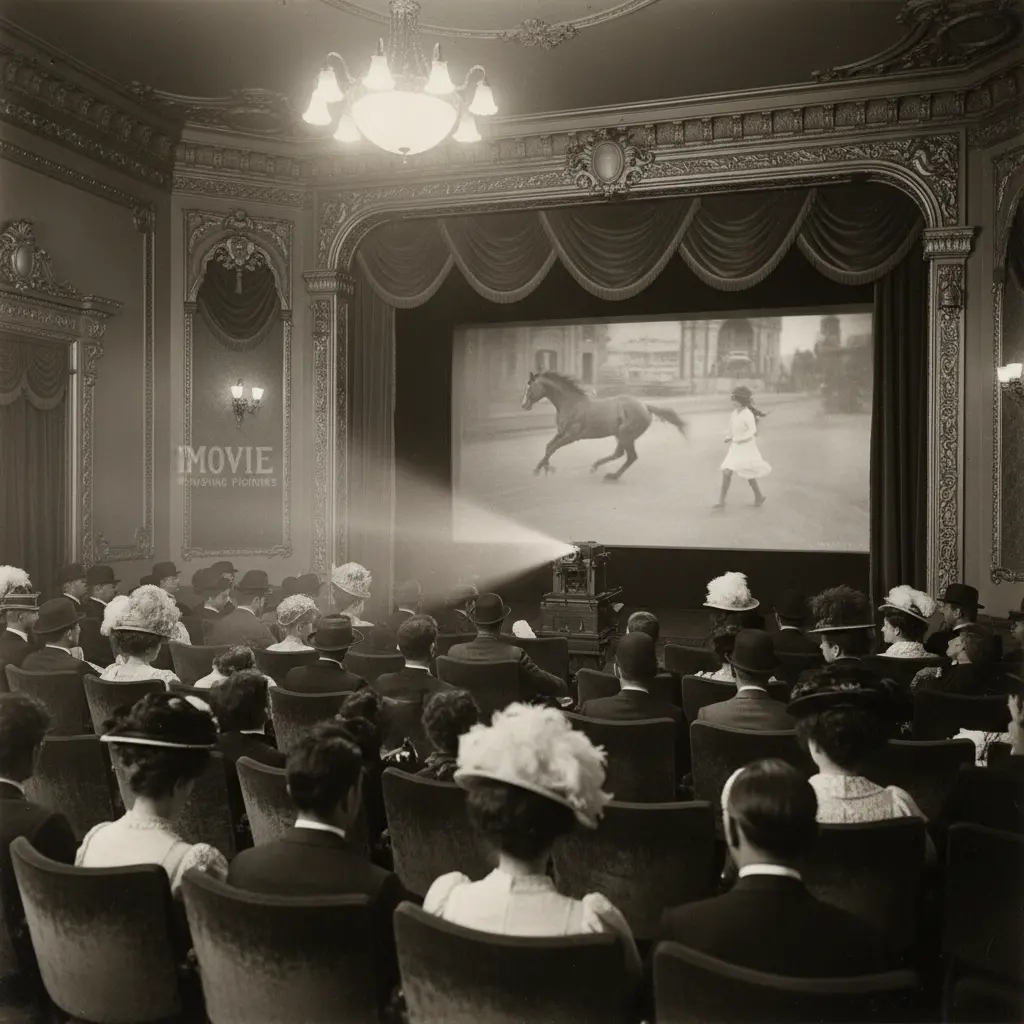
The word 'movie' comes from 'moving picture', where 'moving' means to change position and 'picture' refers to an image. The origin traces back to the early 20th century when this term started to gain popularity. Imagine sitting in a dark theater, watching images flickering on a screen, bringing stories to life.
Note 1: These definitions and etymologies are not standard dictionary definitions, but extended explanations provided to help with memorization and understanding of the actual application of words. Through this background information, we strive to make words more vivid and easier to understand, and help you remember their meanings in real life.
Note 2: LexiTalk designs the learning flow around the linguistics principle of “Comprehensible Input.” When learners encounter material that is slightly above their level but still understandable from context, the brain naturally absorbs the language. That’s why we keep every word inside authentic contexts, using examples and associations to help you understand it and use it flexibly.
Read the FAQ explanation of Comprehensible InputI reach for the remote and move my finger to press play. The screen glows and a movie starts, pulling me into a story I can feel. I adjust my seat, keep my eyes on the pace as scenes shift and turn, and the mood changes with every cut. When it ends, the lingering mood stays with me, a little escape I can revisit whenever I want.
Movies are a common term used in the United States and many other places to refer to films shown in cinemas or available on streaming platforms. A movie is a story or event recorded in film or digital format; a motion picture shown in a cinema; a film that is entertaining or artistic. The word 'movie' is informal, and in more formal writing people often use 'film'. In everyday speech, people say 'movies' instead of 'films' and 'go to the movies' instead of 'go to the cinema.' Learners will benefit from knowing common genres, stars, and production terms, as well as the differences between American and British usage.
Explain to an English speaker: Movie is casual, film is more formal or artistic; learners often mix them or apply them interchangeably. Also note fixed phrases like go to the movies vs go to the cinema.
Download LexiTalk app for personalized learning experience
Download AppCookies
We use cookies for essential site functions, analytics, and ads. You can accept, reject, or manage preferences. Privacy Policy