naturally - Master This Word
Master this word with our 5-step learning method – Learn English in English
Train English Through Brain Routes, Not Translation.
This page helps you stop memorizing isolated translations and start understanding a word through its shared mental image, native-style thinking, and practical training steps.
Master this word with our 5-step learning method – Learn English in English
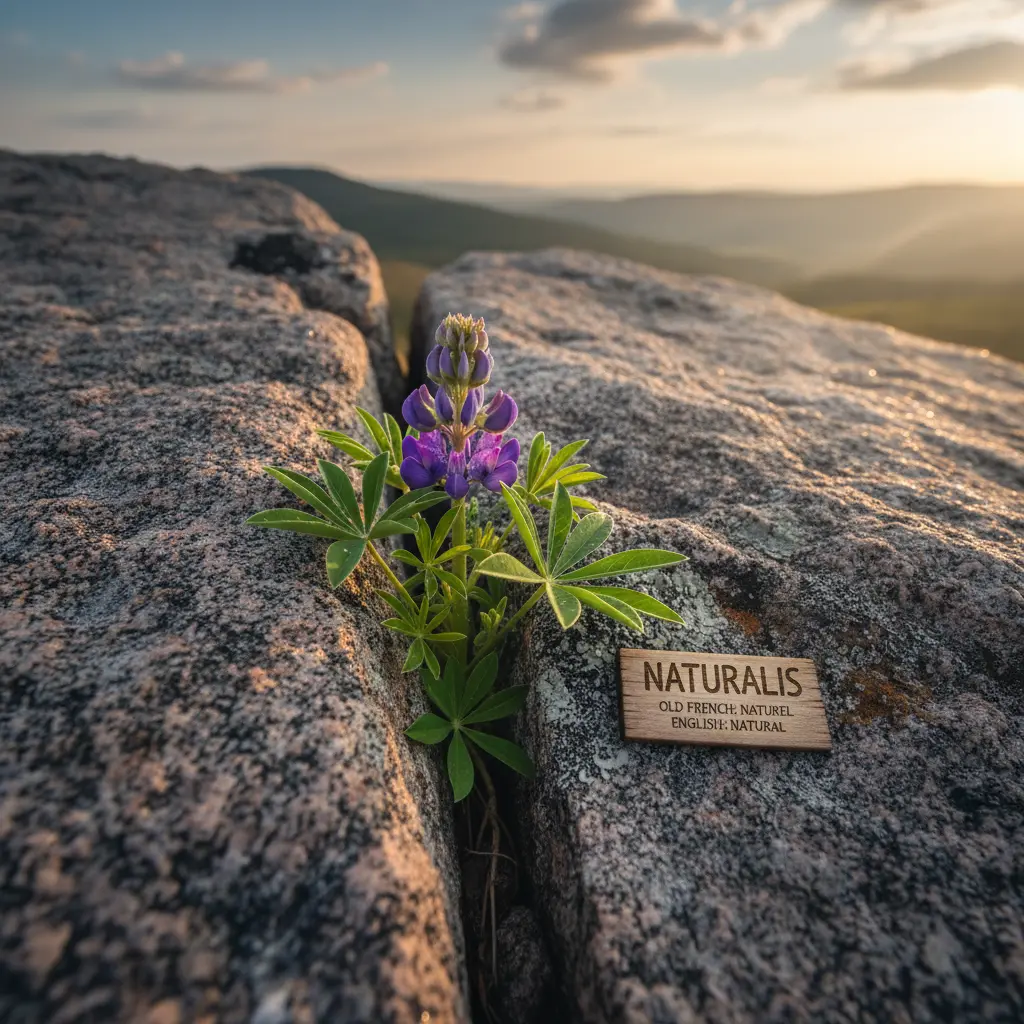
Example sentences are the start of understanding. Don't rush to memorize. First feel how the word works in a sentence.
Root decomposition: natural is formed from nature (natura) + -al; the adverbial suffix -ly makes naturally. Historical origin: Latin naturalis (from natura) → Old French naturel → English via Old French. Memory image: a lone wildflower growing in a rock crack, unassisted by humans, a vivid sign of nature.
Note 1: These definitions and etymologies are not standard dictionary definitions, but extended explanations provided to help with memorization and understanding of the actual application of words. Through this background information, we strive to make words more vivid and easier to understand, and help you remember their meanings in real life.
Note 2: LexiTalk designs the learning flow around the linguistics principle of “Comprehensible Input.” When learners encounter material that is slightly above their level but still understandable from context, the brain naturally absorbs the language. That’s why we keep every word inside authentic contexts, using examples and associations to help you understand it and use it flexibly.
Read the FAQ explanation of Comprehensible InputI reach for a cup, move it a touch, and set the angle so I can see clearly. I start to speak, and my tone shifts with a careful rhythm, as if I were guiding a conversation. It comes out naturally, like talking to a friend, easy and unforced. I keep the pace soft, adjust the cadence, and the message lands with simple clarity.
Naturally is an adverb that describes doing something in a natural, unforced way. It is used when actions or speech feel relaxed, spontaneous, or obvious without special effort. In everyday talk you can use it to mean as expected or normal, as one would expect given the situation. It can also signal agreement or inevitability in discourse, as in 'Naturally, I assumed you already knew.' The word comes from natural + -ly, with roots in Latin naturalis from natura, entering English via Old French. A memory cue is a lone wildflower growing in a rock crack, thriving on its own, naturally surviving without human help.
For English speakers, naturally often marks ease, inevitability, or an unforced quality. Learners may overuse it or place it awkwardly, and some languages encode the idea with a different adverb or with a fixed phrase meaning ‘of course’ rather than ‘in a natural way’. Don’t substitute it with always or obviously in every case.
What does the word 'naturally' mean?
Which of the following sentences uses 'naturally' correctly?
Which word is most similar to 'naturally'?
What is the opposite of 'naturally'?
Can you think of a real-life context for the word 'naturally'?
English Learning Listening Content
Listen NowEnglish Learning Listening Content
Listen NowDownload LexiTalk app for personalized learning experience
Download AppCookies
We use cookies for essential site functions, analytics, and ads. You can accept, reject, or manage preferences. Privacy Policy