ocean - Master This Word
Master this word with our 5-step learning method – Learn English in English
Train English Through Brain Routes, Not Translation.
This page helps you stop memorizing isolated translations and start understanding a word through its shared mental image, native-style thinking, and practical training steps.
Master this word with our 5-step learning method – Learn English in English
Example sentences are the start of understanding. Don't rush to memorize. First feel how the word works in a sentence.
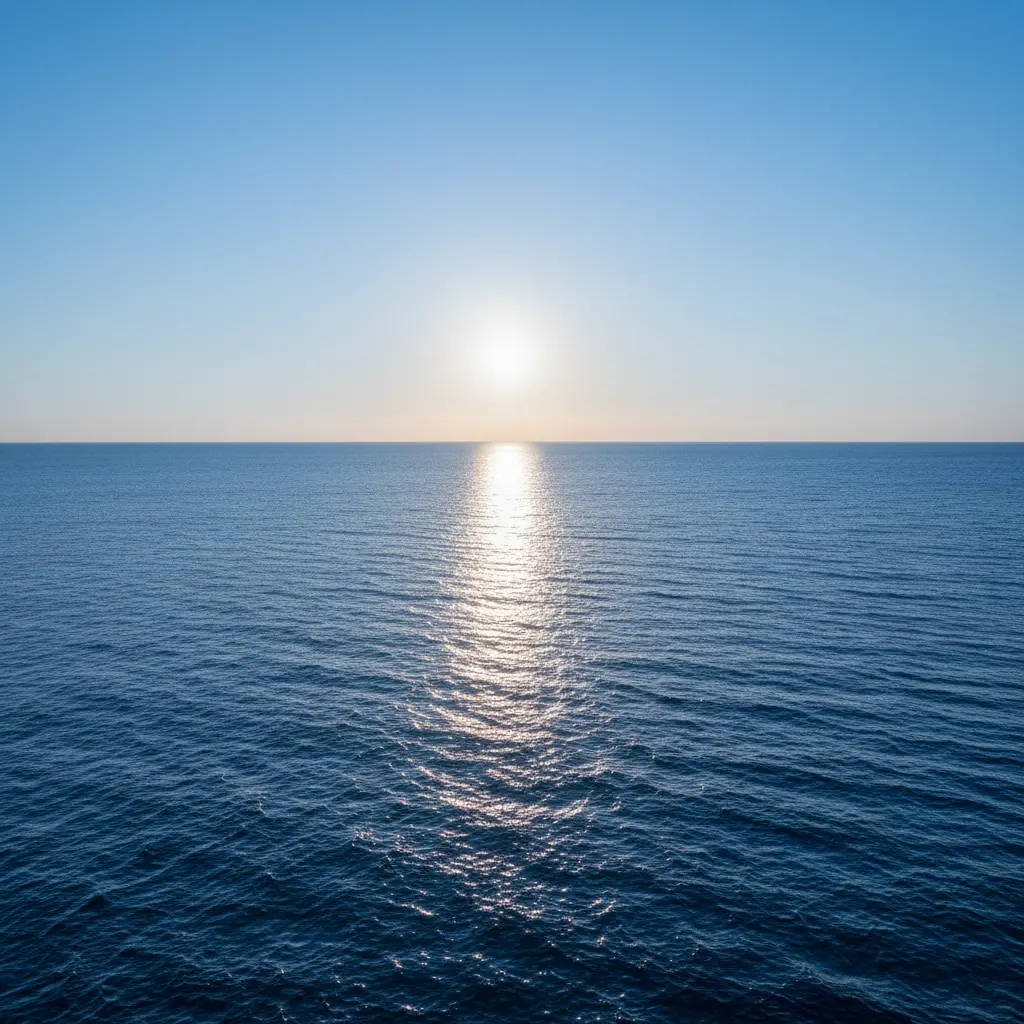
Root decomposition: ocean (Greek 'okeanos' meaning 'great stream'). Historical origin: Greek → Latin 'oceanus' → Old French 'occean' → English. Memory image: envision a vast blue expanse, where the horizon meets the sea, symbolizing endlessness.
Note 1: These definitions and etymologies are not standard dictionary definitions, but extended explanations provided to help with memorization and understanding of the actual application of words. Through this background information, we strive to make words more vivid and easier to understand, and help you remember their meanings in real life.
Note 2: LexiTalk designs the learning flow around the linguistics principle of “Comprehensible Input.” When learners encounter material that is slightly above their level but still understandable from context, the brain naturally absorbs the language. That’s why we keep every word inside authentic contexts, using examples and associations to help you understand it and use it flexibly.
Read the FAQ explanation of Comprehensible InputI cup my hands and move toward the sound of the sea, then I push the door open and breathe the salt air. The world outside slides into a wide blue, and I feel my breath lengthen, my shoulders loosen as the horizon lifts. I stand still for a moment, adjust my stance, and let the distance speak in quiet terms that fill the room. This is how I use the word ocean in real talk through memory and feeling, not in a dry definition.
Ocean is a noun referring to the vast body of salt water that covers much of the Earth. It can denote one of the five major divisions of the world’s oceanic system and, in metaphor, can express vastness, depth, or boundlessness. In English we distinguish the Pacific, Atlantic, Indian, Southern (or Antarctic) and Arctic oceans, and we talk about crossing the ocean, sailing across the ocean, or studying ocean life. The word comes from Greek okeanos, via Latin oceanus and Old French occean, before entering English. Picture the ocean as a dynamic blue expanse where weather, currents, and life constantly interact, shaping landscapes and human activity.
For English speakers, ocean often signals vastness and power, but learners might picture it as a single global sea or misapply the term to nonliteral contexts. Emphasize the five named oceans and proper prepositions.
What is the meaning of the word 'ocean'?
In which sentence is 'ocean' used correctly?
Which word is similar to 'ocean'?
What is the opposite of 'ocean'?
In what real-life context would you likely see an ocean?
Download LexiTalk app for personalized learning experience
Download AppCookies
We use cookies for essential site functions, analytics, and ads. You can accept, reject, or manage preferences. Privacy Policy