oils - Master This Word
Master this word with our 5-step learning method – Learn English in English
Train English Through Brain Routes, Not Translation.
This page helps you stop memorizing isolated translations and start understanding a word through its shared mental image, native-style thinking, and practical training steps.
Master this word with our 5-step learning method – Learn English in English
Example sentences are the start of understanding. Don't rush to memorize. First feel how the word works in a sentence.
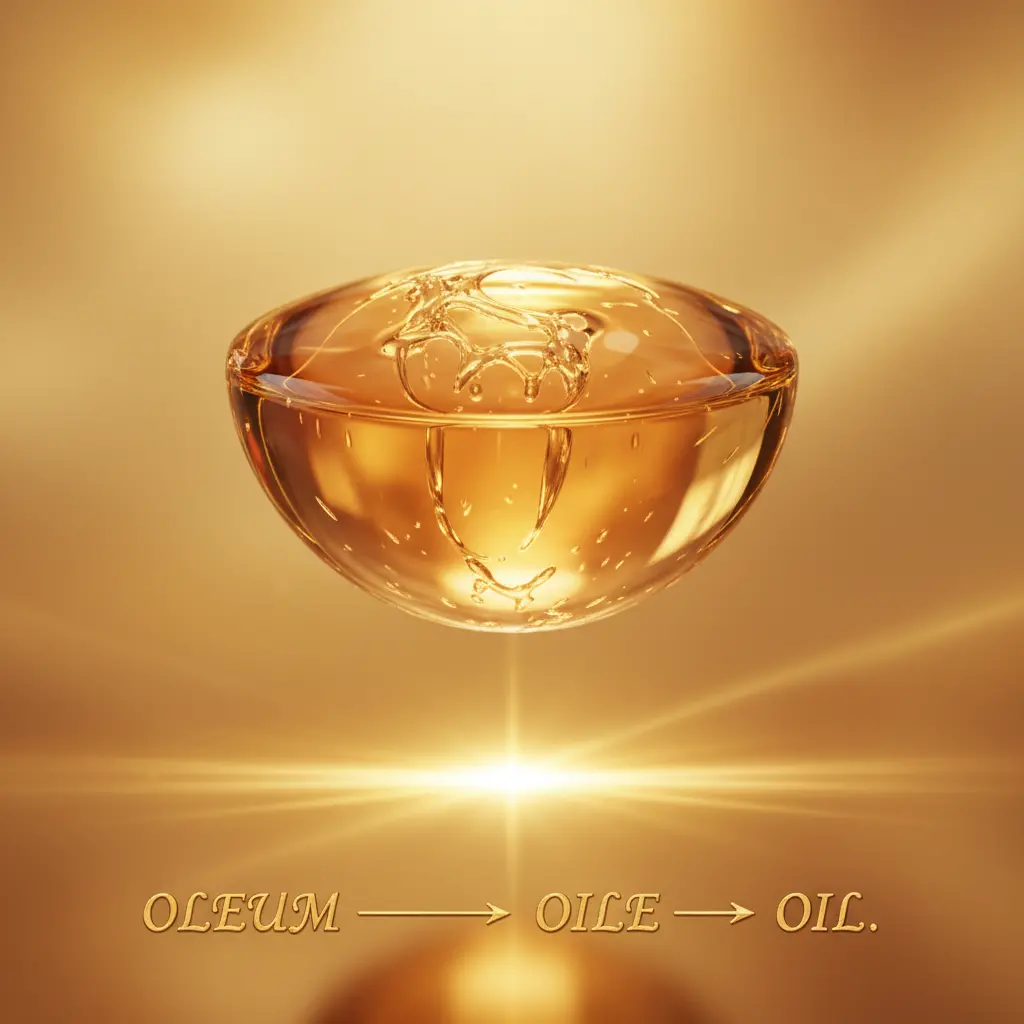
oil: 'oleum' (Latin) → Old French 'oile' → English. Imagine a golden drop of oil that glistens, representing the wealth and smoothness it brings.
Note 1: These definitions and etymologies are not standard dictionary definitions, but extended explanations provided to help with memorization and understanding of the actual application of words. Through this background information, we strive to make words more vivid and easier to understand, and help you remember their meanings in real life.
Note 2: LexiTalk designs the learning flow around the linguistics principle of “Comprehensible Input.” When learners encounter material that is slightly above their level but still understandable from context, the brain naturally absorbs the language. That’s why we keep every word inside authentic contexts, using examples and associations to help you understand it and use it flexibly.
Read the FAQ explanation of Comprehensible InputI cup the bottle in my palm and lift it a little, adjusting my grip as the oil settles inside. I tilt, feel the weight change in my hand, and let a fine thread flow toward the pan. It takes a little focus to hold steady and keep the line even, a small push and pull as I control the pace. Setting the bottle back down, I sense how the oil quietly fits into the task at hand.
Oil is a thick, viscous substance with several common meanings in English. As fuel, it refers to crude oil refined into products such as gasoline, diesel, and jet fuel used to power cars, trucks, planes, and machines. As food or cosmetic oil, it denotes edible fats derived from plants or animals, such as olive oil or coconut oil, used in cooking or for skin care. In art, oil is a painting medium made by mixing pigment with drying oil, typically linseed oil, which allows rich color and slow drying. Understanding context helps learners distinguish fuel, edible oil, and oil paint in everyday sentences.
Native English speakers often rely on collocations and context to distinguish oil meanings. Learners may assume oil always means fuel or assume edible oil and oil paint share the same vocabulary. Pay attention to phrases like cooking oil, olive oil, oil paint, and oil refinery to cue sense.
Download LexiTalk app for personalized learning experience
Download AppCookies
We use cookies for essential site functions, analytics, and ads. You can accept, reject, or manage preferences. Privacy Policy