older - Master This Word
Master this word with our 5-step learning method – Learn English in English
Train English Through Brain Routes, Not Translation.
This page helps you stop memorizing isolated translations and start understanding a word through its shared mental image, native-style thinking, and practical training steps.
Master this word with our 5-step learning method – Learn English in English
Example sentences are the start of understanding. Don't rush to memorize. First feel how the word works in a sentence.
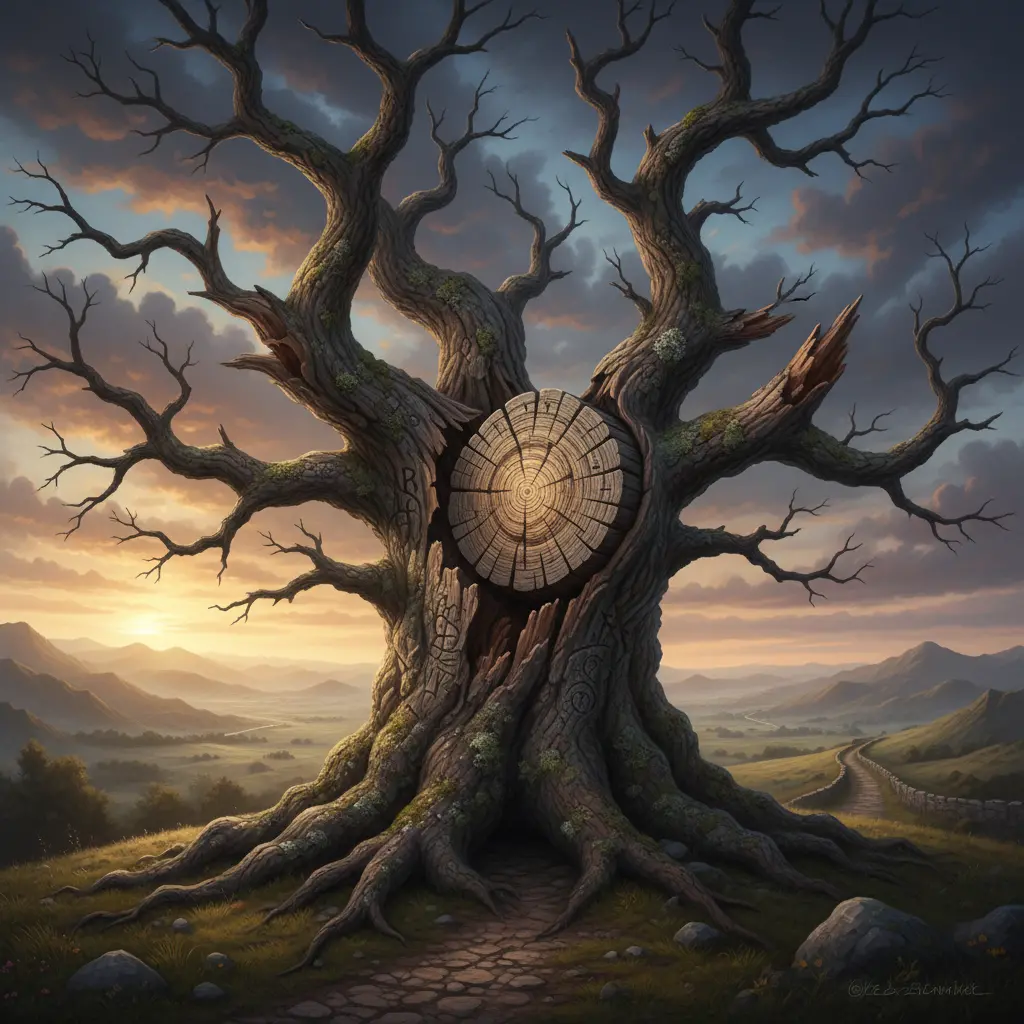
Old is derived from the Proto-Germanic *aldaz (meaning 'old'), leading to Old English eald. Picture an ancient tree, gnarled and wise, representing the long passage of time, its rings telling the story of the years gone by.
Note 1: These definitions and etymologies are not standard dictionary definitions, but extended explanations provided to help with memorization and understanding of the actual application of words. Through this background information, we strive to make words more vivid and easier to understand, and help you remember their meanings in real life.
Note 2: LexiTalk designs the learning flow around the linguistics principle of “Comprehensible Input.” When learners encounter material that is slightly above their level but still understandable from context, the brain naturally absorbs the language. That’s why we keep every word inside authentic contexts, using examples and associations to help you understand it and use it flexibly.
Read the FAQ explanation of Comprehensible InputI grip the old wooden chair and push it a bit to move it out of the way. Its color shifts with the light, and the seat sighs with a long, patient creak that says it’s lived through many days. I adjust my stance, settle into the space it offers, and feel a quiet, familiar weight. This old thing keeps its shape as I sit, a small reminder of what has been.
Old is a versatile English adjective with several related senses: it can describe something that has existed for a long time, meaning not new; it can refer to a former or previous state or role, as in the old president; and it can signal that something is outdated or not modern, as in old ideas or old-fashioned objects. Learners frequently mix these senses, using old where they should use elderly for people, ancient for very old objects, or former for past roles. Distinguishing age, condition, and status in context helps avoid awkward phrasing, such as saying an elderly person is old or that a modern device is old-fashioned. Practice with concrete nouns to solidify nuance.
Explain to English speakers that old covers age, status, and obsolescence; learners should map each sense to specific nouns (old house vs old friend) and avoid using old for people unless it means elderly.
What does the word 'older' mean?
Choose the sentence that uses 'older' correctly.
Which word is most similar to 'older'?
What is the opposite of 'older'?
Can you think of a real-life scenario involving the concept of being older?
Download LexiTalk app for personalized learning experience
Download AppCookies
We use cookies for essential site functions, analytics, and ads. You can accept, reject, or manage preferences. Privacy Policy