ongoing - Master This Word
Master this word with our 5-step learning method – Learn English in English
Train English Through Brain Routes, Not Translation.
This page helps you stop memorizing isolated translations and start understanding a word through its shared mental image, native-style thinking, and practical training steps.
Master this word with our 5-step learning method – Learn English in English
Example sentences are the start of understanding. Don't rush to memorize. First feel how the word works in a sentence.
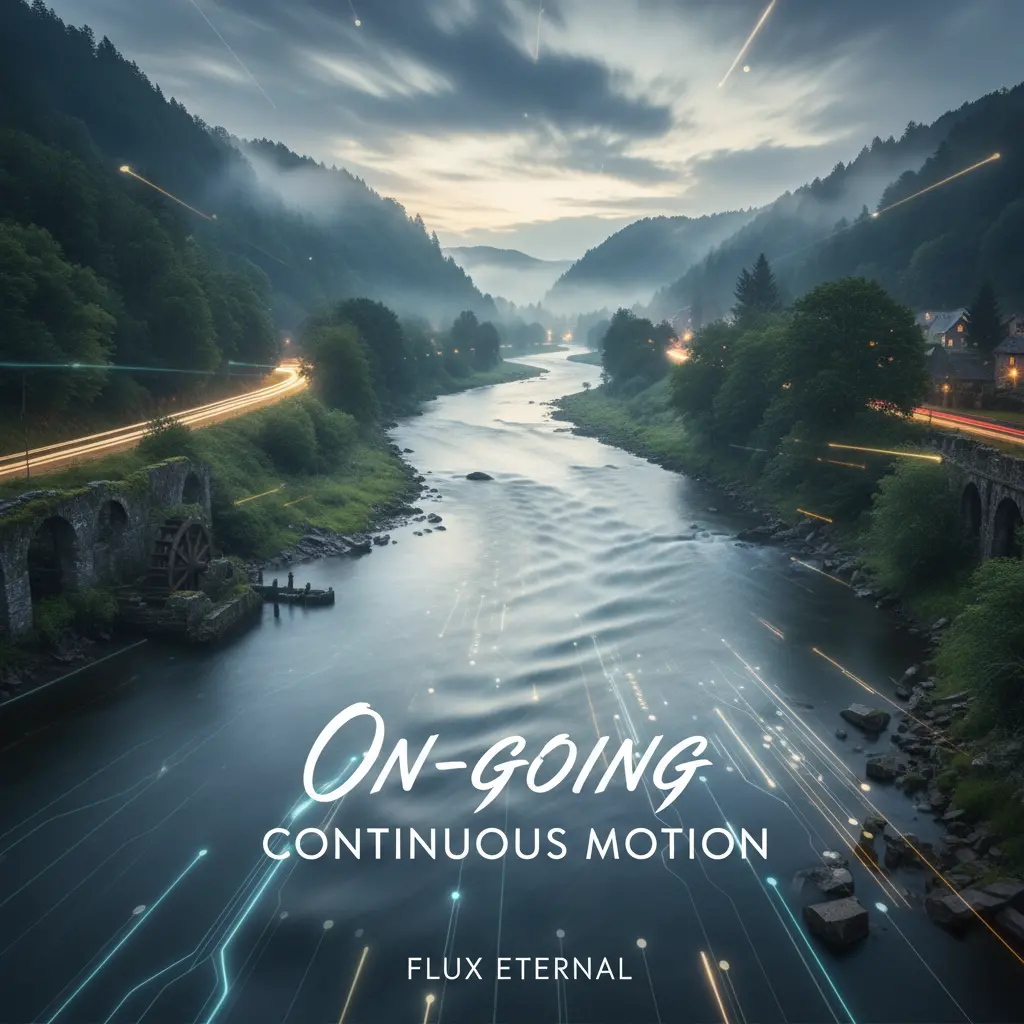
on- = in/on + going = moving. Originated from Middle English, from Old English 'gān' meaning 'to go'. Imagine a river that flows continuously, representing things that are currently in motion without stopping.
Note 1: These definitions and etymologies are not standard dictionary definitions, but extended explanations provided to help with memorization and understanding of the actual application of words. Through this background information, we strive to make words more vivid and easier to understand, and help you remember their meanings in real life.
Note 2: LexiTalk designs the learning flow around the linguistics principle of “Comprehensible Input.” When learners encounter material that is slightly above their level but still understandable from context, the brain naturally absorbs the language. That’s why we keep every word inside authentic contexts, using examples and associations to help you understand it and use it flexibly.
Read the FAQ explanation of Comprehensible InputI grip the steering wheel, press the gas, and start moving. Each bend nudges me to adjust the wheel, shift my shoulders, and keep the pace steady. The road keeps rolling beneath me, and the moment feels ongoing as long as the miles stay between us. I hold my line, push away distractions, and let the flow stretch on.
Ongoing describes something that continues without interruption. It is often used for events or processes that are not finished yet but are moving forward, such as an ongoing investigation, an ongoing project, or ongoing relief efforts. The word signals a sense of continuity and suggests that circumstances may evolve over time. In everyday English, ongoing is commonly paired with nouns like 'process', 'discussion', or 'situation'. Learners should notice that ongoing does not mean perfect or completed; it emphasizes that something is in motion or in progress at the present moment, and it can apply to actions, states, or conditions that persist over time.
English uses ongoing to foreground a current, uninterrupted process within a time frame, while other languages may rely on separate terms or tenses to express continuity, completion, or ongoing status. Learners often stretch ongoing to cover habitual or completed actions, or place it before verbs, which English typically avoids.
What is the meaning of the word 'ongoing'?
Which of the following sentences use the word 'ongoing' correctly?
What word is most similar to 'ongoing'?
What is the opposite of 'ongoing'?
Can you think of a real-life context where the word 'ongoing' would be used?
Download LexiTalk app for personalized learning experience
Download AppCookies
We use cookies for essential site functions, analytics, and ads. You can accept, reject, or manage preferences. Privacy Policy